
Table of Contents
Introduction
Sawai Madhopur is a well-known town in eastern Rajasthan, India, and holds a special place on the country’s wildlife tourism map.
Over the years, Sawai Madhopur has grown from a quiet princely town into a globally recognized destination, mainly because it serves as the main gateway to Ranthambore National Park.
Travelers from different parts of India and across the world come to this town to experience the thrill of a wildlife safari in one of the most famous tiger reserves in the country.
What really makes Sawai Madhopur special is how at one destination, nature, history, and conservation blend in.
Not many wildlife destinations offer as complete an experience as Sawai Madhopur does, since most of them are confined to mere forests and their animals.
Ancient forts, serene lakes, dry deciduous forests, and diverse wildlife exist together in a balanced ecosystem.
The wildlife safari here is also not about spotting animals but about understanding nature, observing animal behavior, and experiencing raw beauty in the wild.
Ranthambore National Park is the heart of this experience. It is, of course, particularly famous for its Royal Bengal tigers and has become one of the best places in India to see these magnificent animals in their natural environment.
The popularity of wildlife safari tours has played a major role in shaping the identity and economy of Sawai Madhopur.
It has developed into a town that is both accessible and welcoming for visitors, with hotels, resorts, local guides, and transport services all centered on responsible tourism.
This blog articulates Sawai Madhopur in detail, with the inclusion of seven incredible experiences related to wildlife safaris available in and around Ranthambore National Park.
Be it thrilling tiger spotting or serene birdwatching moments, every single safari experience speaks to another aspect of the region’s biodiversity and natural charm.
Why Sawai Madhopur is famous for wildlife safari
Sawai Madhopur is famous for wildlife safari mainly due to its close association with the Ranthambore National Park.
It actually falls right next to the park boundaries, hence making it the most convenient base for tourists who plan a safari. Most of the entry gates to the safari can be easily accessed from Sawai Madhopur, adding to its importance as a wildlife tourism hub.
The geographical features of the region play an important role in supporting wildlife. Sawai Madhopur is located at a place where the two major mountain ranges, the Aravalli and Vindhya, meet.
Such a unique location gives rise to the varied landscape of rocky hills, open grasslands, dense forests, and natural water bodies that this area boasts of.
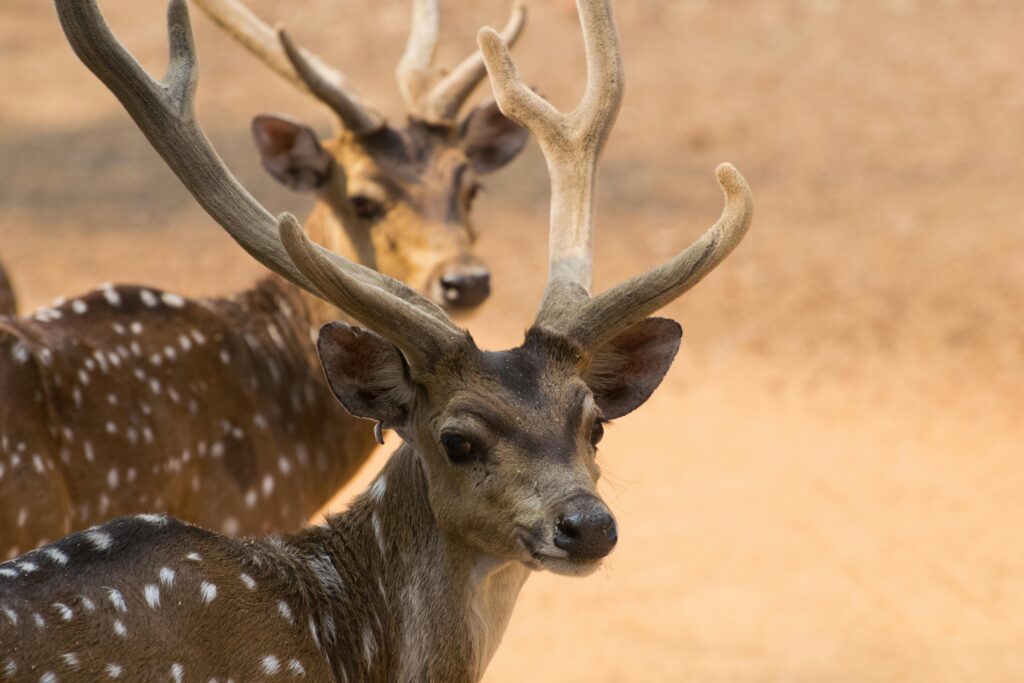
Such diversity makes the area ideal for sustaining a wide range of animal and bird species. As a result, every wildlife safari here provides rich and varied sightings.
Another reason Sawai Madhopur gained fame is due to the success in tiger conservation within Ranthambore National Park.
A park that once faced a decline in tiger population has turned out to be a success story in terms of its conservation. Compared to many other reserves within India, the visibility during a wildlife safari is reasonably high.
Consequently, it attracts a number of wildlife photographers, researchers, and even documentary filmmakers, which again adds to the reputation of Sawai Madhopur.
Accessibility also adds to its popularity. Sawai Madhopur is well connected by rail and road with the major cities of Jaipur, Delhi, and Mumbai.
The presence of a major railway junction makes travel easy for tourists. Combined with well-organized safari systems, trained guides, and regulated tourism practices, Sawai Madhopur stands out as a reliable and rewarding wildlife safari destination.
Overview of Ranthambore National Park
Ranthambore National Park is amongst the most famous national parks in India. Extending over a wide area, this park was once the private hunting ground of the Jaipur royal family. In 1955, it was declared a wildlife sanctuary, and later one of the key reserves under Project Tiger.
Today, Ranthambore National Park has attained international fame for having a strong tiger population with well-managed wildlife safari experiences.
The landscape in the park is different and dramatic. Unlike the dense jungles of other parts of India, Ranthambore National Park has dry deciduous forests interspersed with open meadows, rocky plateaus, and ancient banyan trees.
A number of lakes and ponds like Padam Talao, Malik Talao, and Rajbagh Talao provide water for wildlife and act as excellent viewing points during a safari.
One of the most fascinating features of Ranthambore National Park is the existence of historical monuments within the park.
The grand Ranthambore Fort, included in the list of UNESCO World Heritage Sites, stands atop a hill, overlooking the entire forest. Ruins of palaces, temples, and guard towers are found scattered throughout the park, creating a rare blend of heritage and wilderness.
During a wildlife safari, it is common to see animals resting near these ancient structures, adding a timeless charm to the experience.
The biodiversity of the park is remarkable. Besides tigers, Ranthambore National Park provides a home to leopards, sloth bears, striped hyenas, jackals, sambars, chitals, nilgai, wild boars, and crocodiles. The park also supports a rich bird this ecological richness up close.
With strict conservation rules and controlled tourism, Ranthambore National Park has made sure that the safaris are sustainable and respectful to nature.
This delicate balance between tourism and conservation makes Sawai Madhopur one of the model destinations for wildlife tourism in India.
7 Amazing Wildlife Safari Experiences in Sawai Madhopur
Thrilling Tiger Safari in Ranthambore National Park
The most awaited experience for anyone visiting Sawai Madhopur is tiger safari. Ranthambore National Park is especially famous for its Royal Bengal tigers, which are often seen during daytime safaris.
This visibility makes the wildlife safari here one of the most rewarding in India. Tigers in Ranthambore are known to be bold and dominant in their territory, allowing visitors to observe them walking along forest tracks, resting near water bodies, or marking their territory.
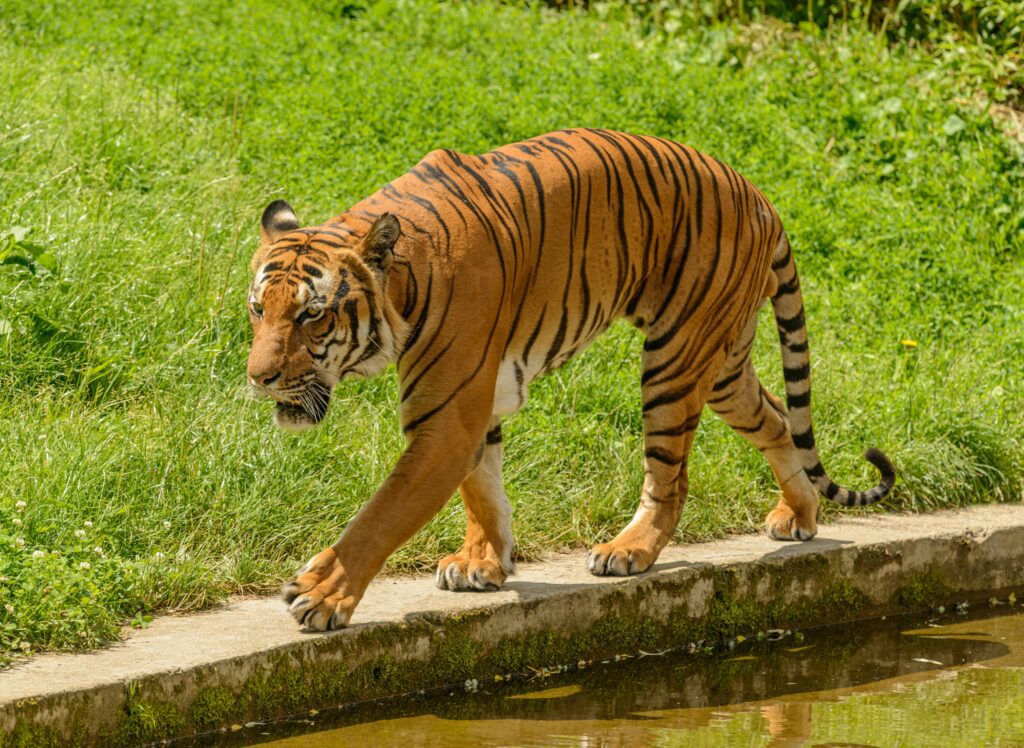
Besides being a source of excitement, a tiger safari in Ranthambore National Park is also an enlightening experience. Naturalists and guides explain the behavior of tigers, hunting patterns, and conservation efforts during the wildlife safari.
Visitors study how apex predators are supported by the ecosystem in Sawai Madhopur and what exactly forest corridors do for the long-term survival of tigers.
Water bodies like Padam Talao and Rajbagh Talao are famous for tiger sightings. In summer, tigers come to these lakes more often to cool themselves, so there is a greater possibility of spotting them.
All in all, Sawai Madhopur is an ideal place to have tiger-based wildlife safari tours due to the open landscape combined with adequate safari routes.
Jeep Safari Experience in Sawai Madhopur
Jeep safaris are considered the most immersive way to explore Ranthambore National Park. Each jeep seats only a small number of passengers for the best possible interaction with their guide and good visibility when viewing wildlife.
Jeep safaris in Sawai Madhopur offer flexibility and comfort for the serious wildlife enthusiast or photographer during the wildlife safari.
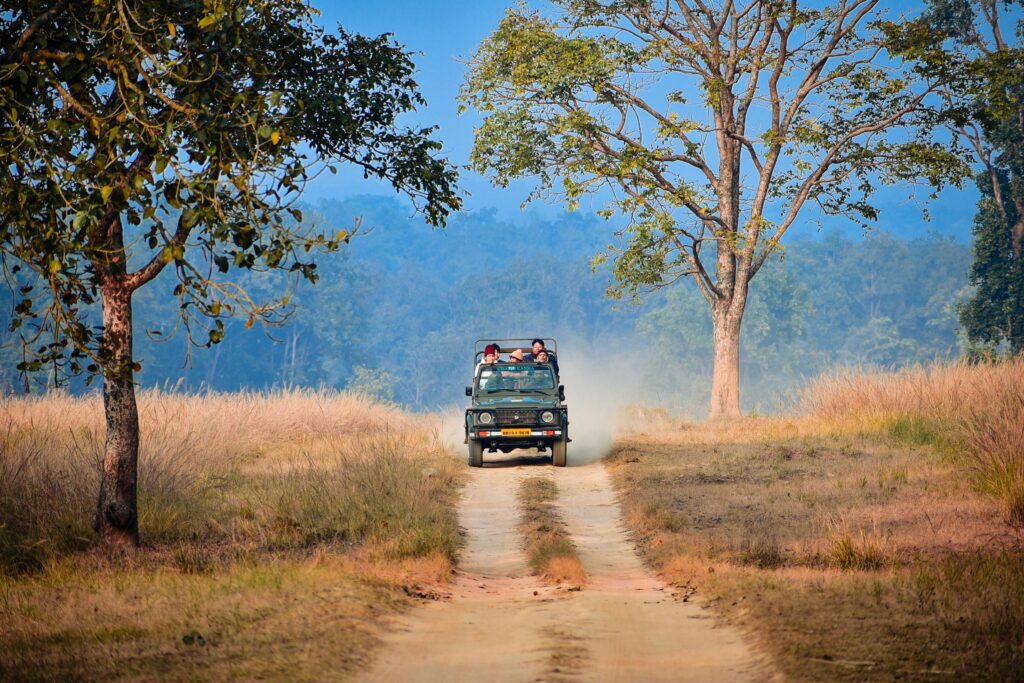
Jeep safaris are able to go down narrow forest trails into more remote areas, which can be less crowded at times.
This provides a better chance of viewing rare animal behavior, like leopards moving stealthily through bushes or sloth bears foraging near termite mounds.
The open design of the jeep allows visitors to feel closely connected to the natural surroundings of Ranthambore National Park.
Another advantage of a jeep wildlife safari is the personalized experience. The guides often tailor explanations according to visitor interest, whether it is tiger tracking, birdwatching, or understanding forest ecology.
This makes jeep safaris a preferred choice for travelers seeking a deeper understanding of Sawai Madhopur’s wildlife.
Canter Safari Adventure for Groups
Those visiting Sawai Madhopur in bigger groups find canter safaris ideal. A canter is a large, open vehicle featuring many rows of seating to accommodate more passengers with complete visibility of the surrounding area.
This type of wildlife safari is affordable, therefore it is highly utilized by families, students, and group travelers.
Although larger than jeeps, canters offer a raised seating arrangement, which provides a panoramic view of Ranthambore National Park.
For the purpose of spotting animals at a distance or observing herds grazing across open grasslands, height becomes a major plus.
The shared experience of a canter safari adds a social dimension to wildlife exploration.
Canter safaris follow circular routes within the park for safety and minimum disturbance to wildlife. Each safari is led by trained guides who provide insight into animal behavior as well as park history.
For many visitors, a canter wildlife safari turns into a memorable way of experiencing Sawai Madhopur’s natural richness without compromising comfort or safety.
4.Rich Bird Watching Safari Experience in Sawai Madhopur
Sawai Madhopur is not only famous for tigers but equally for its remarkable birdlife. Ranthambore National Park provides a safe and diverse habitat for hundreds of bird species, making birdwatching an essential part of the wildlife safari experience.
The lakes, wetlands, open grasslands, and forested areas found here support the birds throughout the year.
Birdwatching during a wildlife safari at Sawai Madhopur allows guests to view resident birds including peafowl, kingfishers, hornbills, parakeets, owls, and several species of eagles.
During winters, many more feathered visitors migrate from colder regions, adding to the tally. Water bodies such as Padam Talao, Malik Talao, and Rajbagh Talao within Ranthambore National Park are some of the popular birdwatching spots.
Safaris for bird watching are much slower-paced compared to tiger safaris. Guides assist in identifying the species and explain their calls, nesting habits, and ecological importance.
It is an experience that demonstrates the role of Sawai Madhopur in supporting a balanced ecosystem where birds are an essential constituent in maintaining environmental health.
Encounter with Leopards and Other Wild Animals
Beyond tigers, Ranthambore National Park fosters a wealth of wildlife, adding depth to each wildlife safari in Sawai Madhopur. Among the most mysterious animals that belong here are leopards.
Though not spotted very often because they are shy animals, leopards inhabit rocky regions and dense vegetation, turning up at times during early morning or evening safaris.
The sloth bears form another highlight of the wildlife safari tours in Sawai Madhopur. Characterized by their shaggy coats and slow movements, they can often be seen digging in search of termites or simply walking calmly across forest pathways.
Other predators of the park include striped hyenas, jackals, jungle cats, and foxes.
The wildlife safari drive would present regular sights of the herbivorous animals like sambars, chitals, nilgai, and wild boars.
These animals form the base on which the forest food chain stands. Observing their behavior helps visitors understand predator-prey relationships within Ranthambore National Park.
Scenic Safari near Ranthambore Fort
What marks one of the major differences of a wildlife safari in Sawai Madhopur is the opportunity provided to venture into areas around Ranthambore Fort.
The fort stands inside the boundaries of Ranthambore National Park and is listed as a UNESCO World Heritage Site. Its presence adds historical depth to the natural surroundings.
Safari routes around the fort pass several ancient temples, palaces, and stone structures that date back centuries.
It is common to see animals resting near these ruins, creating a rare visual where the wildlife and heritage exist together. This sets Sawai Madhopur apart from most of the other wildlife destinations in India.
The fort area is also an important ecological zone, providing shelter and height for various species.
A wildlife safari around the Ranthambore Fort offers scenic views and develops greater awareness about how human history and nature have coexisted in this region.
Early Morning and Evening Wildlife Safari Experience
The most common times for wildlife safaris in Sawai Madhopur are divided into two time slots: early morning and late afternoon. Each offers a different atmosphere and different wildlife behavior. Morning safaris begin before the rising of the sun when the forest is still, and animals are most active after night-time movement.
Evening wildlife safaris start when the temperature cools down, and animals start coming out of their shaded areas. The golden light of sunset improves visibility and presents ideal conditions for photography. Most animals, including predators and herbivores, are generally seen during this period.
A morning and an evening session of wildlife safari guarantee a feel for the natural rhythm of Ranthambore National Park and enhance overall wildlife sightings.
The Best Time to Visit Sawai Madhopur for a Wildlife Safari
The ideal time for a wildlife safari in Sawai Madhopur would fall in the month of October to June. During the winter months, the weather remains pleasant, making long safari drives comfortable. This season is ideal for birdwatching and general wildlife observation in Ranthambore National Park.
Summer is considered the peak season for tiger sightings. As water sources become limited, animals congregate around lakes and water holes. The visibility is great on the wildlife safari tours during this period. Temperatures are high but such a season gives rewarding experiences to serious wildlife enthusiasts.
Ranthambore National Park is usually closed during the monsoon season to facilitate forest regeneration and ensure animal safety. Seasonal variation helps tourists plan in a way that makes their wildlife safari more worthwhile in Sawai Madhopur.
Safari Zones in Ranthambore National Park
Ranthambore National Park has been divided into several safari zones in order to distribute the tourism pressure and protect sensitive habitats. Each zone has different landscapes ranging from lakes to grasslands and rocky forests. Wildlife sightings depend on natural movement rather than zone number.
Zone allocation is carried out by the forest authorities to ensure fairness and the balance of conservation. Visitors in less popular zones sometimes have excellent sightings, which reflect the unpredictability and authenticity of wildlife safaris at Sawai Madhopur.
This zone system ensures sustainable tourism, allowing visitors to explore different parts of Ranthambore National Park on multiple safaris.
How to Book Wildlife Safari in Sawai Madhopur
Booking a wildlife safari in Sawai Madhopur is well-organized, with its management vested in the hands of forest authorities to ensure transparency and conservation. Ranthambore National Park has an arrangement for regulated booking so that the number of vehicles visiting the park each day can be controlled.
The motive behind it is to reduce human pressure on wildlife and maintain the natural balance of the forest ecosystem.
Safari bookings can be done in advance through official online portals or authorized booking centers.
At the time of booking, one needs to provide valid identification details. Advance booking is strongly recommended, at least during peak seasons, as safari slots get filled up very fast in Sawai Madhopur.
It offers a jeep and a canter wildlife safari, and the allocation is done based on availability and the preference of the visitor while making the booking.
Once confirmed, the zone, timing, and the vehicle type are informed to the visitors. This structured way of booking makes any wildlife safari smooth and reliable in Ranthambore National Park.
Safari Rules and Guidelines in Ranthambore National Park
Ranthambore National Park has strict guidelines in order to protect wildlife and for visitor safety. All the guidelines and rules for a Sawai Madhopur wildlife safari are implemented by the forest officials and well-trained guides. Visitors are supposed to follow instructions throughout the safari.
Maintaining silence throughout the wildlife safari will ensure that no animals get disturbed. Feeding of wildlife, stepping out from the vehicle, or littering inside the park is not allowed. Flash photography should be avoided as it disturbs animal behavior. It helps in preserving the natural environment of Ranthambore National Park.
Responsible tourism plays an important part in conservation. By abiding by safari regulations, the visitor assists in protecting their natural habitat for wildlife and in allowing future generations to continue their wildlife safari experiences in Sawai Madhopur.
Where to Stay in Sawai Madhopur
Sawai Madhopur has a number of accommodations that are always available to suit different tastes and budgets of the travelers.
From luxury wildlife resorts to comfortable mid-range hotels and eco-friendly lodges, there are suitable stays near Ranthambore National Park.
Most resorts have been built in a manner to merge with the landscape and offer an ideal retreat after undertaking a wildlife safari. Many reflect local architecture and exude local culture, adding to the travel experience.
For most budgets, decent and well-maintained hotels are found inside the town limits of Sawai Madhopur, making it quite convenient for tourists.
Staying close to safari entry gates is quite practical since it minimizes travel time and allows the visitor to go on comfortable early morning wildlife safari schedules.
How to Reach Sawai Madhopur
Well-linked by rail, road, and air, Sawai Madhopur is quite accessible for travelers coming from different parts of the country. Sawai Madhopur railway station is a major junction falling on the Delhi–Mumbai route, and frequent trains are available in both directions. By road, it is well connected with major cities like Jaipur and Kota via good highways.
The nearest airports are in Jaipur and Kota, from where travelers can continue their journey by road or train. This strong connectivity supports the growing popularity of wildlife safari tourism in Sawai Madhopur.
Local Culture and Food of Sawai Madhopur
The local culture of Sawai Madhopur represents the rich traditions of Rajasthan. Folk music, traditional attire, and celebrating local festivals imbue a visit to the wildlife safari with cultural depth.
Tourists visiting this place always have a feel of healthy hospitality and attachment to the regional culture. Rajasthani cuisine plays an important role in the Sawai Madhopur experience.
Dal baati churma, gatte ki sabzi, ker sangri, and traditional sweets are commonly consumed by travelers. Most local restaurants and resorts boast authentic flavors, complementing the wildlife safari journey.
Conclusion
Sawai Madhopur represents that ideal blend of wildlife conservation with natural beauty and rich historical heritage. As a gateway to Ranthambore National Park, the town offers some of the most rewarding wildlife safaris in India.
From thrilling tiger sightings and diverse birdlife to scenic landscapes shaped by ancient forts and lakes, each safari reveals a new dimension of the region’s ecological richness.
Clearly defined zones, a well-managed safari system, and seasonal planning make the exploration of wildlife in Sawai Madhopur both meaningful and responsible. Beyond the forest areas, the cultural heritage of the town, the local cuisine, and the warmth of the people make for a satisfying travel experience.
Together, these elements create a destination that appeals to wildlife enthusiasts, nature lovers, and cultural explorers alike. Coupled with strong conservation initiatives and its singular combination of history and wilderness, Sawai Madhopur remains unparalleled among India’s most respected and memorable wildlife destinations; its experiences linger long after the journey is over.