
Table of Contents
Introduction to Taragarh Fort
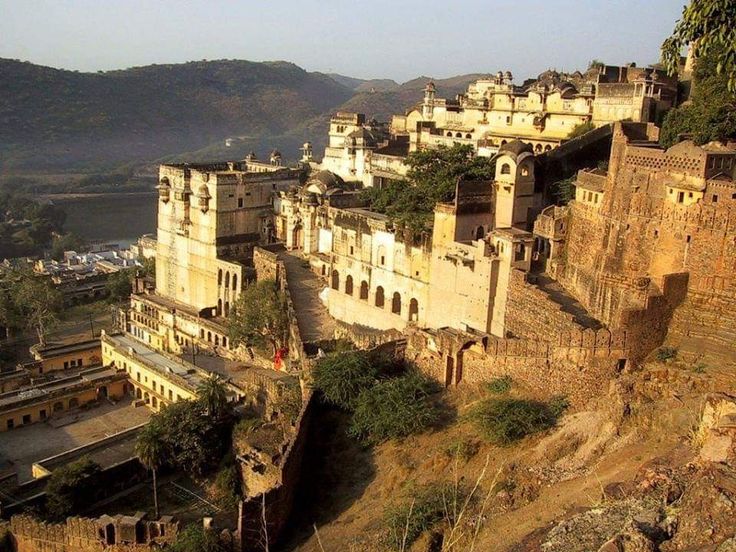
Among all the landmarks that dot the landscape of Rajasthan, Taragarh Fort features as one of the most outstanding and historically important citadels.
Situated in one of the most beautiful towns of Rajasthan, Bundi, this ancient fort crowns the height of an elevated hill and mirrors the strength, strategy, and artistic brilliance of the Rajput era.
Taragarh Fort is much more than an architectural marvel; it is a living symbol of Bundi’s royal past.
Its gigantic walls, grand gateway entrances, reservoirs, and palaces lie in ruins, telling stories of bravery, power, and resilience.
When exploring the rich HISTORY of Rajasthan, Taragarh Fort holds a leading position. It is considered one of the oldest hill forts in the state and attracts historians, architecture enthusiasts, and people traveling for Places to visit in Bundi.
It guarantees breathtaking views over the town and surrounding landscape, while historic buildings show insights into medieval military planning and lifestyles of royalty.
This blog discusses Taragarh Fort in great detail: its HISTORY, architectural features, and the most amazing places to visit in Bundi located within and around the fort complex.
History of Taragarh Fort Bundi
HISTORY: Taragarh Fort represents one of the first hill forts constructed in the 14th century in Rajasthan.
Built in 1354 by Rao Deva Hada, who is considered the founder of Bundi, Taragarh Fort was designed for strategic military purposes. Being elevated, it provided a clear view of enemy movements and proved effective in safeguarding the region.
The Taragarh Fort played a very important role in defining Bundi’s political and cultural life.
For centuries, battles, royal ceremonies, and administrative activities that marked the history of the Hada Chauhan dynasty were all centralized in this fort.
Unlike so many other forts, which were constantly renovated, much of the original structure remains intact, thereby retaining its historical authenticity.
History continuously elucidates the fort, standing tall as a testimony to the Rajputs’ military acumen, focusing more on defense, management of water resources, and long-term sustainability.
These elements continue to attract visitors interested in understanding medieval Indian fort architecture.
Origins and Construction of Taragarh Fort
The construction was carefully designed to maximize its natural defenses. Constructed from gigantic blocks of stone, the fort walls shoot directly upwards from the hill, rendering direct attacks very difficult.
The strategic usage of natural terrain is a piece of foresight by its builders.
Taragarh Fort and Its Role in Bundi’s Royal History
Taragarh Fort acted as the central seat of power for Bundi’s rulers before later palaces were built.
Major decisions of the royalty were made here, military strategies and governance activities were also carried out within its walls, and it finds a place in Bundi’s HISTORY.
Architectural Style and Rajput Influence
Most evidently, the architectural style of Taragarh Fort reflects the strength, practicality, and cultural values of Rajput rule in Rajasthan.
The fort was built basically for defense, and its design focused on durability, strategic planning, and harmony with the natural landscape.
Built using big stone blocks, Taragarh Fort represents traditional hill-fort architecture, in which natural elevation plays a key role in protection. Not only did the use of local stone ensure strength, but it helped the structure stand firm through harsh climatic conditions over centuries.
The prominent architectural feature of Taragarh Fort is the large outer walls and bastions.
The thick, high walls were meant to withstand enemy attacks and cannon firing. Narrow entrances, sharp turns, and fortified gateways were deliberately made to slow down invaders and give defenders tactical advantages.
This is reflected in the defensive architecture, emphasizing military preparedness for territorial protection as one of the core principles of Rajput HISTORY.
The layout of the Taragarh Fort also manifests Rajput influence. It is divided into separate areas for defense, administration, and royal residence. Such planning indeed reflects how Rajput rulers balanced warfare with governance and daily life.
The watchtowers at strategic locations enabled the continuous vigil of the surrounding region, while hidden passages allowed the safe movement of soldiers in times of emergency.
These ultimately reflect intelligent military engineering of Rajput fort architecture.
Despite having an essentially defensive nature, Taragarh Fort does have elements of artistic expression.
The ornamental stonework, carved arches, and ornamental niches seen in palace ruins like Rani Mahal reflect the taste of Rajput royalty.
It is an example of how Rajput architecture has not only embodied strength but also beauty, symmetry, and cultural symbolisms. The amalgamation of strength with beauty forms the identity of Rajput architecture.
Another important feature of Rajput influence is the highly developed water management system of the fort. Reservoirs, tanks, and channels were designed within the fort to make it self-sufficient for a long siege.
This reflects the Rajput understanding of sustainability and long-term survival. It is such engineering brilliance that gives depth to the HISTORY of Taragarh Fort and sets it apart among the important Places to visit in Bundi.
In an all-inclusive assessment, the architectural style of Taragarh Fort becomes a powerful statement of Rajput ideals: bravery, resilience, discipline, and pride in culture. Every wall, tower, and courtyard speaks of a careful balance between defense and elegance.
The strong Rajput influence makes Taragarh Fort not only a military monument but a cultural and architectural treasure that continues to define Bundi’s historical landscape.
Why Taragarh Fort Is Among the Best Places to Visit in Bundi
Amongst the most important places to visit in Bundi, the Taragarh Fort represents a combination of HISTORY, architecture, and scenic beauty.
The fort offers the opportunity to roam through ancient ruins with the benefit of a panoramic view of Bundi town, lakes, and surrounding hills.
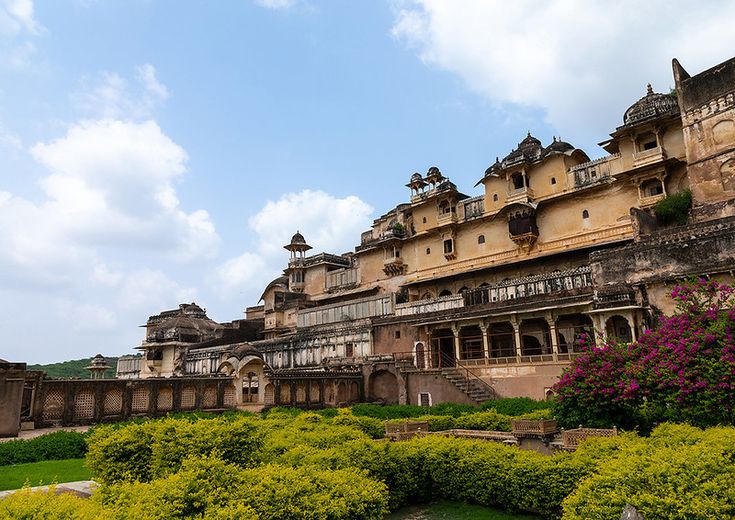
Unlike crowded tourist places, Taragarh Fort provides a peaceful and immersive experience. Its weathered walls and silent courtyards allow the visitors to connect with Bundi’s past deeply.
Massive Fort Walls and Strategic Location
Some of the most defining and awe-inspiring features are the massive fort walls of Taragarh Fort.
These walls rise in a dramatic fashion from the steep Aravalli hill on which the fort was located and were constructed to serve as an almost impenetrable line of defense.
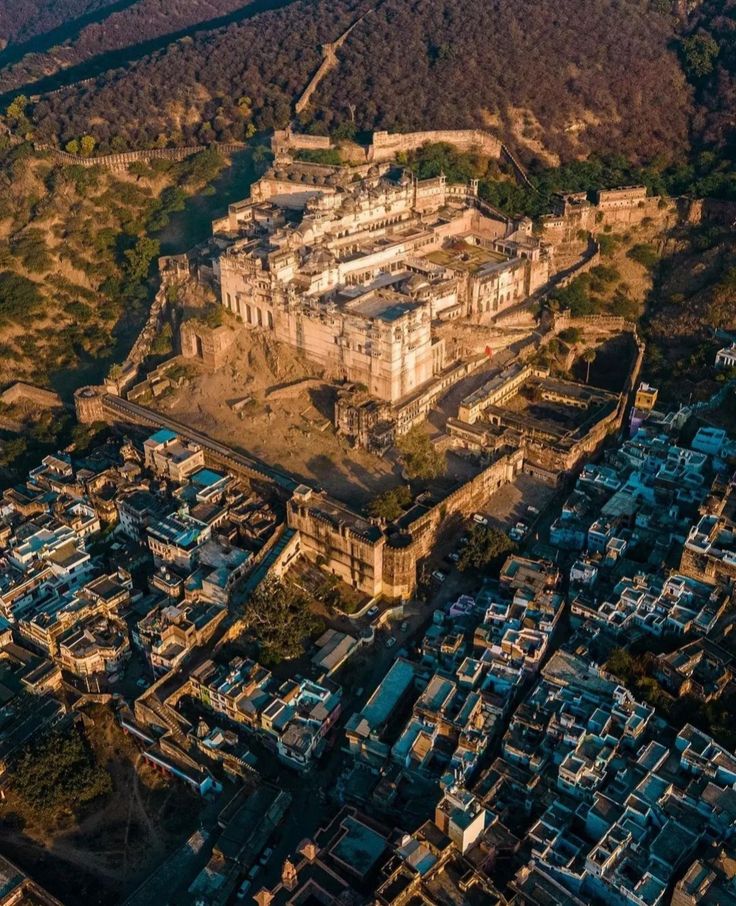
Constructed with large stone blocks and reinforced with bastions at regular intervals, the walls reflect advanced military planning by the Rajput rulers of Bundi.
The height and thickness of the walls alone guaranteed safety against invading armies, and Taragarh Fort was one of the most formidable strongholds of medieval Rajasthan.
The strategic location of Taragarh Fort further strengthened its defensive advantage. Positioned high above Bundi town, the fort offers a clear and uninterrupted view of the surrounding plains, trade routes, and approaching enemies.
It is from such an elevated setting that soldiers can see threats from miles away and prepare defensive strategies well in advance.
Such geographical placement has marked and explained why Taragarh Fort has been at the heart of Bundi’s regional security history.
A walk along the walls of the fort today gives any visitor a strong sense of the military importance of the fort.
The large expanse of the walls, together with the rugged terrain below, explains why Taragarh Fort remained unconquered for such long periods.
This feature alone makes it one of the most impressive Places to visit in Bundi for history enthusiasts and architecture lovers alike.
Bhim Burj: The Famous Cannon of Taragarh Fort
Bhim Burj is one of the most iconic structures within Taragarh Fort and stands as a mighty symbol of its military strength.
This huge cannon was placed on a specifically built platform that overlooked the plains below. Designed to work for long-range defense, Bhim Burj could shoot heavy projectiles over great distances, deterring enemy forces from advancing toward Bundi.
The cannon platform itself is an architectural marvel: constructed with thick stone walls and reinforced edges to absorb the recoil generated during firing. ‘
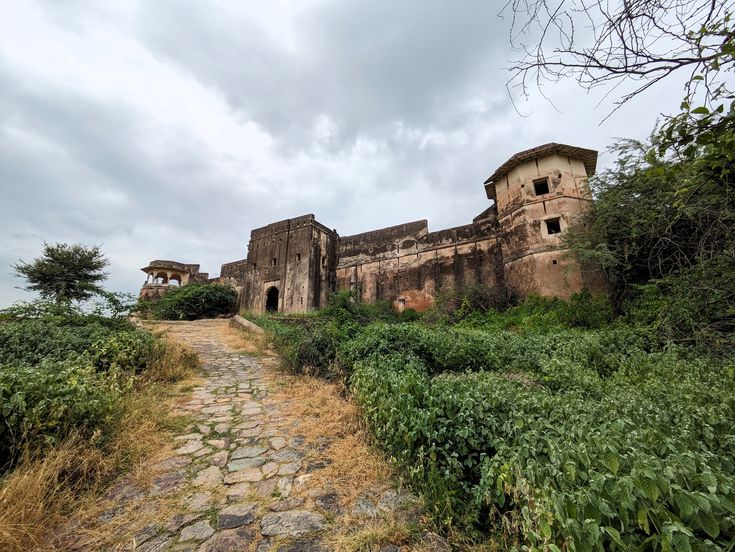
In placing Bhim Burj, one finds an advanced understanding of ballistics and battlefield tactics during the active years of the fort.
It reinforces the importance of Taragarh Fort in the HISTORY of warfare and defense in Rajasthan.
Today, Bhim Burj is not only a historical relic but also a famous viewpoint. Visitors touring the Places to visit in Bundi often stop here to appreciate not only the engineering genius of the cannon but also the breathtaking views that it presents, thus combining military HISTORY with scenic beauty.
Rani Mahal and Palace Ruins Inside Taragarh Fort
The Rani Mahal and the remains of the palaces inside Taragarh Fort give an interesting insight into the royal life of Bundi’s rulers.
While time has weathered these structures, their remaining walls, arches, and courtyards reveal the elegance and sophistication that once defined royal life.
These spaces were designed to offer comfort, privacy, and security for queens and royal families within the fort complex.
Carved doorways, decorated niches, and layout patterns all display traditional Rajput aesthetics in architectural details.
Such placement of living quarters within fortified surroundings points to how daily life and defense were closely intertwined in the history of Taragarh Fort.
These ruins of palaces contrast with the fort’s harsh military features to show a balance between power and refinement.
The area around Rani Mahal adds depth to a visit to Taragarh Fort and cements its place among the most meaningful Places to visit in Bundi, especially for anyone interested in royal history and architecture.
Reservoirs and Water Systems of Taragarh Fort
One of the most striking yet oft-overlooked features of Taragarh Fort was its advanced system of water management.
During an age when prolonged sieges were common, a regular supply of water became important for survival.
Reservoirs, tanks, and channels inside the fort were carefully designed to collect and store rainwater throughout the year.
These were strategically located water reservoirs around the entire fort, watering different sections efficiently.
Stone-lined tanks prevented evaporation and contamination, showing the practical engineering skills of the builders. Such systems reveal that Taragarh Fort was not only designed for defense but also for long-term sustainability.
These water structures add depth to the history of Taragarh Fort and illuminate further reasons why it remains an important site for any person interested in medieval engineering.
Among Places to visit in Bundi, these reservoirs offer valuable insight into practical challenges faced by historic fort communities.
Panoramic views from Taragarh Fort
The panoramic views of Taragarh Fort are among the most memorable aspects of a visit. Standing atop the fort, visitors are rewarded with sweeping vistas of Bundi town, surrounding hills, lakes, and agricultural fields.
These views were not only scenic but also strategically important during the fort’s active years.
From a defensive standpoint, the commanding views could afford soldiers the ability to see any enemy movement over large expanses of land.
From a modern perspective, these same commanding views allow photographers and tourists alike to appreciate the natural beauty that surrounds Bundi.
This visual relation of landscape and HISTORY further enhances the reputation of Taragarh Fort as one of the most scenic places to visit in Bundi, where nature and heritage blend together in harmony.
Artistic Stonework and Ancient Inscriptions
Although serving its chief purpose as a military stronghold, Taragarh Fort unfolds with artistic expression in the form of stone carvings and inscriptions that reveal the historical chronicles associated with the rulers, religious beliefs, and events that occurred in the region.
Carved symbols, motifs, and scripts speak to the cultural identity belonging to Bundi’s ruling dynasty.
The various inscriptions within the fort are direct links to its HISTORY, offering insights into administrative practices and social structure. Artistic stonework, though weathered, still shows skilled craftsmanship and attention to detail.
Such features raise the status of Taragarh Fort beyond that of a defense structure, reinforcing its importance among Places to visit in Bundi for those interested in cultural and artistic HISTORY.
The Hidden Passages and Watchtowers of Taragarh Fort
The hidden passages and watchtowers are two important parts of the defense design in Taragarh Fort.
These narrow pathways allowed soldiers to move quickly and unobtrusively between different sections of the fort in case of emergencies. Some passages connected essential areas, while others provided for escape routes or surprise access during battles.
The watchtowers were placed along strategic locations of the fort walls and thus afforded good views of the terrain outside. Guards stationed here played an important role in early threat detection, reinforcing the fort’s efficiency in defense.
Taragarh Fort Bundi: Best Time to Visit
It is well worth visiting Taragarh Fort during the pleasant weather from October to March. The cooler temperatures make a leisurely walk around this large fort complex quite comfortable, affording beautiful views.
How to Reach Taragarh Fort Bundi
Taragarh Fort is accessible by road via Bundi town. The main cities of Rajasthan provide both train and road convenience to reach Bundi, so it is very easy to fit the fort in an itinerary.
Entry Fee and Timings of Taragarh Fort
Taragarh Fort opens from morning till evening. Entry fees are nominal, helping preserve the site while keeping it accessible to visitors interested in HISTORY and heritage.
Travel Tips for Visiting Taragarh Fort
Wear comfortable shoes, carry plenty of water, and bring sun protection to explore Taragarh Fort comfortably. Preservation of the site comes with respect to the historical structures on it.
Various Places to See Around Bundi
Various places to visit in Bundi complement a trip to the Taragarh Fort, including Bundi Palace, stepwells, and local markets. These attractions make for a wider comprehension of the cultural and historical layout of the town.
Taragarh Fort: Its Historical and Cultural Significance
It occupies a central place in the cultural and historical identity of Bundi. Being among the oldest hill forts in Rajasthan, it represents the early establishment of Rajput rule in the region.
Playing a fundamental role, the fort shaped Bundi’s political system, social traditions, and cultural development.
Its commanding presence over the town symbolizes authority, protection, and continuity, making an enduring landmark of regional HISTORY. Culturally, it reflects the way of life and ideals of the Rajput rulers.
Besides being built for defense, this fort was also used as a royal lifestyle space, for administration purposes, and to conduct ceremonies.
Within its confines, decisions were reached, alliances were made, and customs regarding kings were observed. These features point out how it affects the everyday life of Bundi and its cultural development.
This close relationship makes it one of the most significant Places to visit in Bundi. The history of speaks volumes about Rajput values like bravery, loyalty, and honor.
Its massive walls, watchtowers, and hidden passages speak to the pre-eminence given to security and strategic planning; the palace ruins and artistic elements to an appreciation for art, spirituality, and refinement.
This is what provides a fine balance between military strength and cultural expression that stands out as a hallmark of Rajput heritage preserved within the fort. From the architectural and educational points of view, Taragarh Fort is important.
Its construction methods, reservoirs for water storage, and structure signal advanced engineering and resource management knowledge. All these provide insight into how the forts functioned at that time as self-contained units.
According to historians and researchers, it should be considered an important place for learning about the architectural and administrative history of Rajasthan.
In the present day, too, the Taragarh Fort is a cultural beacon for Bundi, which links modern-day visitors with the royal past of the town and preserves the collective memory of the region.
Among all Places to visit in Bundi, it stands out not just for being a historical structure but as a powerful representation of Bundi’s cultural depth, architectural brilliance, and historical legacy.
Conclusion
This fort stands as a powerful reminder of the Rajasthan that has endured through its legacy of strength, strategy, and richness in culture. Rising above the landscape, the fort reflects the determination of those who built it and the historical significance it once had in safeguarding the region.
Its rugged structures, ancient pathways, and commanding views strike a chord of attachment between history and heritage. Today, it is more than a historical monument; it’s a living chapter of Rajasthan’s past that continues to stir feelings of admiration and curiosity.
As time weathers its walls, its spirit remains intact, inviting visitors to reflect on the courage, craftsmanship, and traditions that shaped this royal land. Preservation of such monuments ensures that the heritage of Rajasthan lives with pride and authenticity.