
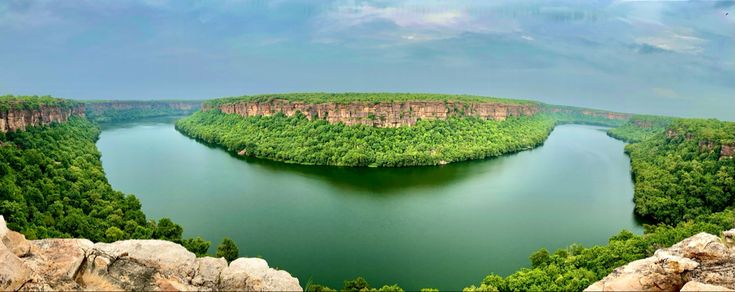
Table of Contents
Introduction to Mukundra Hills National Park
Mukundra Hills is identified as one of the lesser-known natural spots in Rajasthan that hold immense significance in the region’s natural scenery.
A National Park in its official designation, has a special place in Rajasthan’s natural landscape.
Coming from the desert land of Rajasthan, it expose a side of the region which has hill ranges in abundance and is influenced by forests, plateaus, and valley regions.
Situated in the midst of the Kota, Jhalawar, Bundi, and Chittorgarh districts, the Mukundra Hills wildlife is an extremely important part of the ecological corridor in the state of Rajasthan.
The former name of the wildlife was the Darrah Wildlife Sanctuary, until it was proclaimed a National Park.
Mukundra Hills is important not only for its biodiversity or fauna and flora, but also because of its geographical position forming a link between major animal habitats in central India.
The natural quietness, forest, and untouched landscape of this place are highly important from a conservation and eco-tourism perspective.
Geographical Significance of Mukundra Hills
The geographical features are of utmost importance in the natural topography of the state of Rajasthan.
Geographically located in the southeastern region of the state, the region acts as a crucial connecting point between the plateaus of central India and the desert regions of western Rajasthan.
The region is notified as a National Park and offers a distinctive combination of hills, forests, plateaus, and ravines that are uncommon in the other protected regions of the state.
Strategic Location in Rajasthan
It is distributed over several areas in Kota, Bundi, Jhalawar, and Chittorgarh districts.
This distinctly identifies its location close to large river courses such as the Chambal River and its associated streams.
River Chambal and its streams affect vegetation and wildlife habitats in this region.
The location of Hills enables it to serve as an intervening area between various regions.
Northern Rajasthan gets influenced by the desert and semi-arid climate. However, it Hills indicate that the region presents quite a greenish and forested landscape.
Such contrasts indicate that topographic diversity prevails in Rajasthan. It again increases the significance of the National Park from the environmental viewpoint.
Relationship Between Vindhya and Aravalli Ranges
One of the most characteristic features of the geographical location of the Mukundra Hills is their placement where the Vindhya and Aravalli ranges meet.
This results in the formation of a diverse topography with slopes, gorges, plateaus, and valleys.
The Aravalli effect causes rocky outcrops and old landforms, whereas the effect of the Vindhyas Range adds layered landforms and dense forests to the region.
This special blend of landforms creates diverse eco-systems in the National Park, hence making the Mukundra Hills a preferable site for tourism related to wild life protection.
Territorial & Topographical Divers
Geographically, the are mostly rugged and irregular, topped by undulating hills and corridors.
In fact, these corridors are crucial in facilitating the movement of wildlife between the patches of forests. This irregular topography also helps to regulate the temperature and humidity levels.
The higher plateau areas in Mukundra hills provide relief with lower temperatures and thick vegetation, while the lower valleys maintain higher levels of moisture and grasslands and water-loving species.
The above-mentioned differences provide greater stability to the National Park ecosystem.
Soil and Natural Resources
The soil in Mukundra Hills is rocky and thin, and there are spots of alluvial soil along the bank of rivers.
Though this soil is not ideal for farming, it helps to maintain a forest environment. The vegetation protects the soil from erosion and helps in cycling nutrients back into the environment.
The hills also work as natural catchment areas for water. Water from rainfall passes through these forested slopes into water streams and rivers, thus increasing water levels in groundwater resources in neighboring areas.
Such an envrironmental feature of Hills makes it feasible to maintain environmentally sustainable ecotourism.
Climatic Influence of Mukundra Hills
The elevation and forest range that make this region relatively less hot than other areas around it. The summer is relatively cool, and even the winters are mild.
During monsoon conditions, there is enough rainfall for dense plant growth and animal activity.
The above climatic condition improves the habitability of the area for different species and contributes to better visitor experience related to nature-based eco-tourism.
The climatic conditionalso contributes to determining the diversity of each season within the National Park.
Geographical Function in Wildlife Conservation
From a conservation point of view, it is an essential geographical corridor for the region.
The forested nature of the area provides connectivity between animal habitats in inter-related states and helps in the survival of species through genetic diversity.
In this regard, it is particularly important for large carnivorous and migratory species of animals.
The National Park status accorded to the Hills protects the topographical characteristics of this location from becoming fragmented.
This is since the location has been strategically and geopolitically used in the context of conserving the region, besides the promotion of Eco-Tourism.
Ecological balance and landscape characteristics
The geographical identity of the region known as the Mukundra Hills shapes the environment of the region.
The combination of the hills, forests, rivers, and plateaus of the region shapes an environment that is capable of regenerating on its own.
This is essential in ensuring that the National Park remains healthy.
In conclusion, the importance of the geography of that Hills can be gauged beyond the land itself.
This region, with its geology, climate, and hydrological element, forms an integral natural resource for the state of Rajasthan.
Being a national park, the case study of Mukundra Hills exemplifies how geography shapes the conservation of biodiversity and eco tourism on a delicate landscape.
Rich Flora of Mukundra Hills National Park
Vegetation in Mukundra Hills National Park is an example of the richness of dry deciduous forests, which are characteristic of south-eastern parts of Rajasthan. Mainly, one may see species like dhok, salai, tendu, khair, and bamboo.
During the monsoon season, the change into a lush green zone and add to the scenic beauty of the National Park.
The ground is covered with grass and medicinal plants, which are responsible for the ecological balance of the region and have several medical values attached to them.
The dense forest also maintains the wildlife along with promoting the foundation of sustainable eco-tourism.
Nature walks, bird watching spots, and forest sceneries serve educational as well as ecological purposes without disrupting the balance of nature in Mukundra Hills.
Diverse Fauna and Wildlife Habitat
The Mukundra Hills National Park is a major wildlife habitat in the state of Rajasthan, established to facilitate the survival of big carnivorous and herbivorous as well as smaller animals.
The national park has been found suitable for the habitation of tigers due to its dense forest and limited human interface.

Other forms of wild animals that can be found in the include leopards, sloth bears, hyenas, chital, sambar, nilgais, and wild boars.
It can be concluded that having such varied fauna signifies that there is an optimum ecosystem in this Park.
Bird species in they are equally awe-inspiring. The forests and water resources attract resident and migratory bird species, making it a popular site for bird-watching activities.
The presence of this biodiversity greatly lifts the level of ecotourism, particularly in nature-based learning initiatives and awareness programs for conservation.
Eco Tourism Potential of Mukundra Hills
The Mukundra Hills National Park has a natural and sustainable basis for eco-tourism.
In contrast to travel destinations where commercialization has beendone excessively, iit provide a terrain where tourism and environment conservation go well together.
The unscathed forests, wildlife, and serene environment provide a perfect ecosystem for the application of eco-friendly tourism practices based on conservation and education.
Eco Tourism As a Conservational Method
Eco-Tourism in it is planned in such a way that it helps promote the basic aims of the national park, which include the conservation of wildlife and the preservation of habitats.
The tourist movement is kept under control in order to cause minimum damage to the existing flora and fauna.
Thus, this conservation-minded approach enables ecotourism to become an instrument of awareness and not an instrument of exploitation.
The tourists get to experience nature in its untouched forms and understand the significance of areas like Hills being conserved for maintaining the stability of nature and biodiversity.
Nature-Based Experiences in Mukundra Hills
The topography of Mukundra Hills National Park offers numerous activities that are ecologically friendly.
The forest safari that is organized on designated routes enables one to observe the animals in their natural habitat in an unintrusive manner that does not disrupt the ecological balance.
Nature walks and interpretation trails give an insight into the forest ecosystem.
Bird watching is another important component of eco tourism found in the Mukundra Hills.
Various habitats within the national park support a diverse range of resident and migratory birds. This not only has eco-political implications but can also increase the scientific aspects of the Park.
Involvement of Local Communities in Eco-Tourism
The local population has a major influence in determining eco tourism at Mukundra Hills National Park and Sanctuary.
The local population has always relied on the forests for livelihood and has a rich awareness of the geological, zoological, and seasonal patterns of these areas.
Jobs relating to eco-tourism, like forest guiding and assistance with tracking and conservation of wildlife, offer economic alternatives and thereby decrease pressure on natural resources.
This symbiotic relationship between the people of the village and the National Park enhances conservation efforts in the Mukundra Hills.
Eco Tourism Infrastructure & Sustainability
Development of infrastructure in Mukundra Hills National Park ensures that it follows sustainability patterns.
Infrastructure development in the park remains scaled down, hence blending into nature. There is also consideration of environmentally friendly construction, waste, and resource conservation.
The controlled aspect of infrastructural development ensures that eco-tourism practices do not affect the natural topography of the region but instead promote environmental education amidst the preserved surroundings of nature.
This ensures that the park remains a sustainable example of tourism in Rajasthan.
Environmentnal and Awareness Programs
Eco tourism in the Hills is a major contributor to environmental education. The interpretation programs, guided experiences, and information resources assist tourists in understanding the significance of the National Park from the perspective of the ecology of the land.
Issues like wildlife, forest, and climate are the key components of the story of eco tourism.
Through awareness, it helps to improve appreciation for protected sites and maintains the significance of tourism approaches for conservation.
This aspect of education helps to distinguish eco tourism from other forms of tourism.
Longer Term Ecological Gains of Eco Tourism
Well-organized eco-tourism has a long-term positive impact on Hills National Park. Eco-tourism can help generate funding for conservation efforts. Moreover, greater awareness will lead to a collective push for conservation.
Eco tourism also instills eco-friendly practices with respect to natural landscapes. Experiencing the feeling of unexploited forests and wildlife instills the importance of conservation in visitors, and that is how the sustainability of the Mukundra Hills is maintained.
Case Study: Mukundra Hills as a Model Eco Tourism Site
The potential offered by that Hills Eco Tourism is that it retains ecologically authenticity while supporting conservation-oriented tourism.
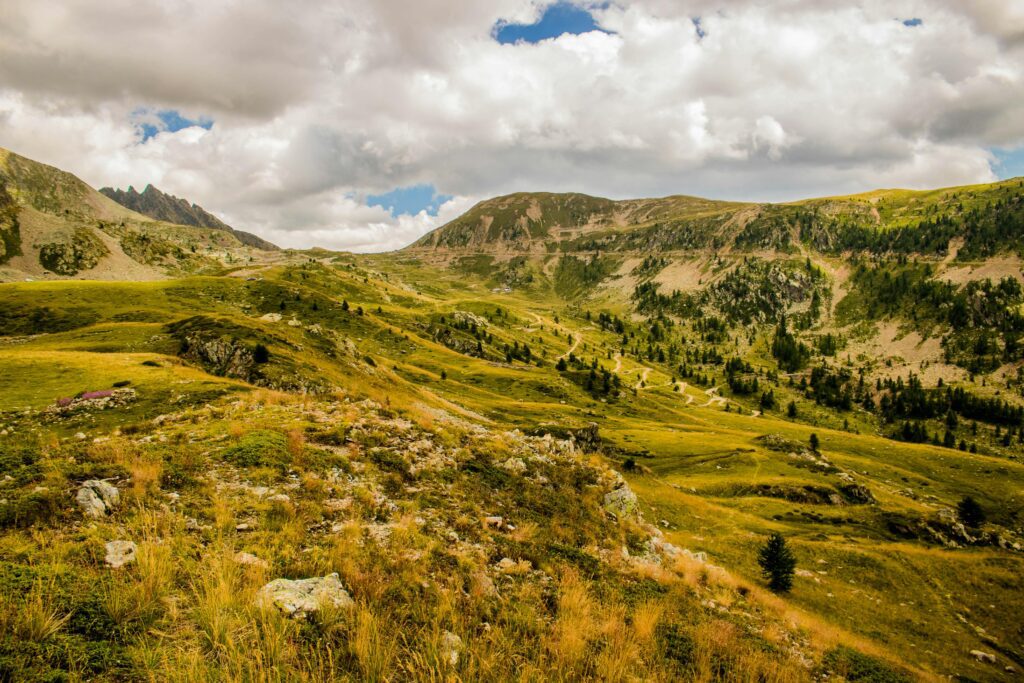
“The natural diversity of the area, lack of human interference, and controlled tourist entry ensure that ecotourism not only sustains conservation efforts but supports them.”
As a major National Park, Hills shows how ecotourism can serve as a connecting link between nature conservation and appreciation.
Its approach is well aimed at ensuring that nature is not damaged in any way but is also a major focal point of ecological knowledge and development.
Historical and Cultural Significance
In terms of its natural characteristics, what is notable about the Mukundra Hills is that besides its richness and value as a habitat for a wide variety of wildlife, this region was also a place that has a strong historical and cultural past that gives it a distinct identity as a protected place within a national park setting due to its having been a natural corridor that joined habitations in the southeast part of Rajasthan for many centuries past.
Historical Trade Routes and Locations of Strategic Importance
One of
Historically speaking, its geographical location was a strategic point between Malwa Plateau and the plains of Rajasthan.
This region acted as a trade route in ancient times, which passed through these hills and consisted of major trade and cultural hubs.
The forest trails in this region were used as a means of transport between trading centers.
In addition to the man-made structures around that Hills, there are natural advantages from the terrain that include dense forests, mountain tops, and mountain passes that can be utilized for surveillance and even defense during times of conflict within the region.
Cultural Landscape and Communities
The cultural background of the Mukundra Hills National Park is linked with the people living in and around this forested area.
The people living in and around this forested area were accustomed to living according to the natural patterns and rhythms of the forest, and this is reflected in the cultural practices of such people.
The age-old knowledge pertaining to medicinal plants, forest products, and conservation of water resources is passed down through folklores.
This collective wisdom of the past has become an important aspect of the cultural heritage linked to the topographical feature known as the and represents the same philosophy of sustainability pursued by ecotourism today.
Religious Sites and Sacred Associations
The hills and forests of they are interspersed with smaller shrines and temples that signify the pious link that humans share with nature.
Such pious spots are often located in high or inaccessible areas, denoting the reverence that humans share with nature.
The religious associations of this kind were formerly a factor in forest protection, and certain areas were thus maintained because of religious reasons.
This kind of conservation tradition fits well into the modern function of Mukundra Hills as a National Park and thus emphasizes that religion can be an important tool in conservation.
Folkore, Legends, and Oral Traditions
Folklore and local myths also have immense significance in establishing the cultural identity of the that Hills.
Local myths and folklore usually contain descriptions of the hills being enchanted realms of spirits and guardians or heroes. Such tales helped enhance the emotional attachment between the local community and the landscape.
Stories passed down by oral traditions in the region relating to that cover the importance of forests, wildlife, and nature.
This oral tradition affects the approaches toward conservation and forms the bases for eco-tourism.
Colonial and Post-Independence Influence
The colonial era saw the recognition of the forests of Mukundra Hills for their strategic significance and significance in terms of their environment and geography.
Forest management practices were incorporated into administrative policies that eventually resulted in the formulation of protection mechanisms for wildlife habitats and eventually the formation of a National Park out of that .
This reflects a broader historical trend, from resource extraction to preservation and ecological awareness.
The founding of the park marks a change in attitudes regarding natural land, with a recognition of its cultural, environmental, and ecological value.
Cultural Continuity and Eco-Tourism
The amalgamation of the cultural heritage of and eco tourism increases the comprehensiveness of the identity of the Hills.
Cultural stories and heritage are more defining and give depth to the land beyond the feature of wildlife. This eco tourism is actually useful when combined with preserving the culture.
By respecting regional traditions and historical contexts, the Mukundra Hills National Park is a good example of how cultural continuity and conservation goals can coexist.
Having a balance between the two enhances the park’s significance as a living cultural and natural landscape.
Mukundra Hills as a Cultural and Ecological Heritage Zone
Essentially, that an area that has been formed by both nature and history.
In fact, its forests have served as shields for people, resource bases, as well as sources of artistic expression for hundreds of years.
Currently, it has become an iconic national park that symbolizes cultural strength.
The historical and cultural significance of iit add to the biodiversity values of the place in ways that cannot be estimated or calculated.
They also help in reminding one about how the significance of conservation is not limited to nature and wildlife but also encompasses the stories, cultures, and relationships developed along with nature.
Climate, Best Seasons, and Natural Beauty
The climate of the Mukundra Hills National Park changes greatly from season to season.
The summers may be warm, and the winters are mild and pleasant. The monsoons are very significant in this part of the country, as the rain helps to regrow the forest and thus increases the richness of flora and fauna.
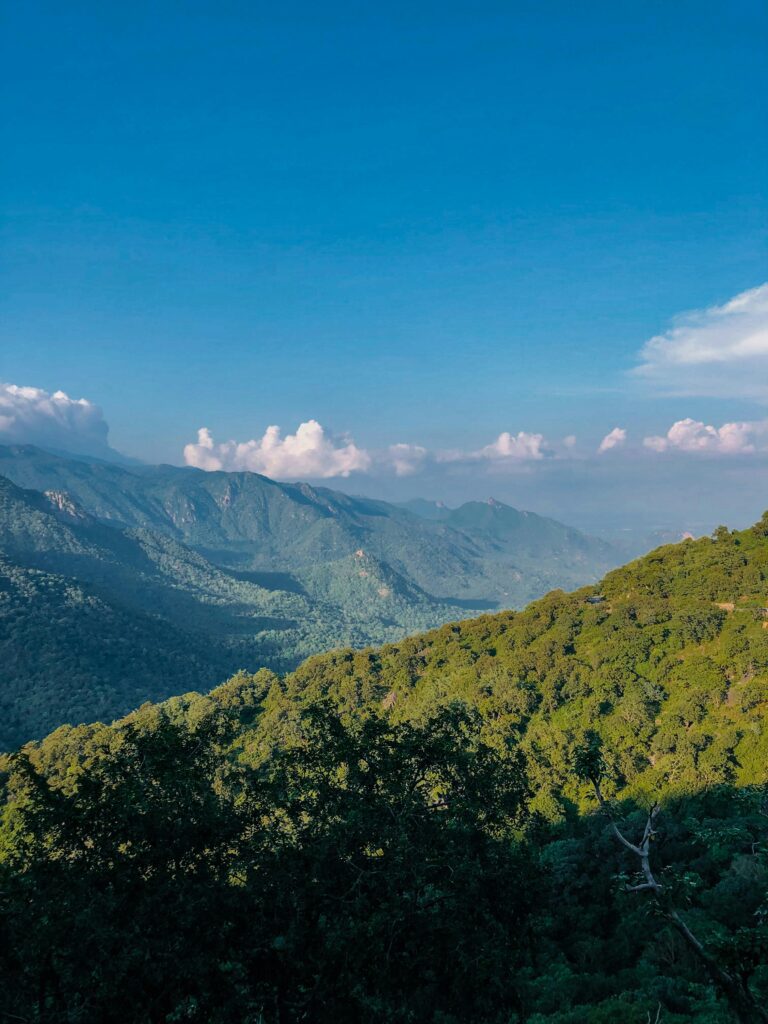
Changes that take place during the seasons cause a tremendous change in appearance when it comes to that Hills.
During monsoon and post-monsoon seasons, the region is a sight full of greens, waterfalls, and wildlife activities that take place in this region.
The serene environment with little noise from the city and long-range forest sights make it a very aesthetic and best-practice model for nature-based tourism.
8. Conservation and Environmental Role Conservation
the primary focus that are encompasses. The declaration of this area as a National Park ensured greater protection and control over human activities.
Conservation efforts include habitat restoration and protection against poaching. it is very crucial in maintaining ecological connectivity between wildlife areas in both Madhya Pradesh and Rajasthan.
Connectivity is very vital in ensuring genetic diversity. The environmental significance of the Mukundra Hills goes beyond the conservation of wildlife.
In this regard, the forests in the region support climate maintenance, soil conservation, and the regulation of water, hence the need for eco-friendly tourism patterns.
9. Conclusion:
Why Mukundra Hills Remains a Natural Treasure Mukundra Hills is one of the lesser-known natural wonders in Rajasthan.
Being a National Park itself, it shows effective integration of biodiversity conservation, geographic significance, and development.
The region provides supports to lush vegetation and wildlife while ensuring proper balance in the ecology of southeastern Rajasthan.
The promotion of eco tourism ensures that the are well taken care of while allowing for responsible engagement with nature.
The natural vegetation, fauna, scenery, and cultural heritage form the identity of this natural resource.
Essentially, the Mukundra Hills represent the growth and maturity in the understanding of conservation in the Indian context, where the concepts of conservation, community participation, and awareness in relation to the environment are in a state of concomitant existence within a protected area.
The significance of the Mukundra Hills is in its capacity to retain a ‘wild and well-balanced condition in respect of its flora and fauna’ for the succeeding generations.