
Table of Contents
1. Makar Sankranti Festival 2026
Happiness spreads through villages and towns when Makar Sankranti arrives. Sunlight shifts just so, marking time by warmth instead of moon phases. Makar Sankranti Festival
2026 People young and old find joy in rituals passed down for generations. January 14th appears again and again on calendars, steady as breath. This day ties earth’s motion to celebration without relying on lunar whims.
Come January 2026, Makar Sankranti arrives once more under golden winter light. Sun shifts into Capricorn – Makar in Sanskrit – sparking celebration across homes and fields. Though silent in sound, this sky movement carries weight through tradition. Energy changes when the solar path bends just so.
Spiritual doors open wider during these brightening days. People feel it quietly – in routines, thoughts, small acts of giving. No fanfare needed for what unfolds by ancient rhythm.
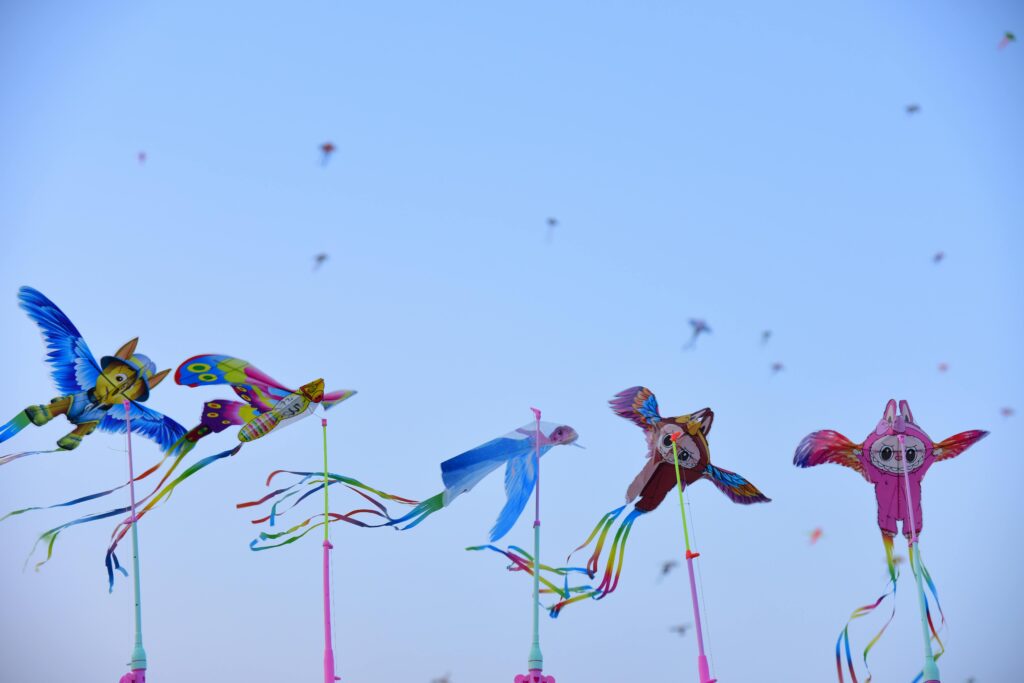
This celebration feels different depending on where you are in India. Kite contests fill the skies over Gujarat and Rajasthan, while Tamil Nadu greets it with Pongal feasts.
Still, Makar Sankranti Festival 2026 one thing ties every version together – the honor given to earth’s bounty, winter light, and longer days ahead.
Winter loosens its grip just as fields yield their last gifts of the season. Gratitude rises among those who tend the land, hands still dusty from gathering crops.
Light stretches further each morning, nudging darkness aside. With that shift comes a quiet sense of starting over – warmth building, promises unfolding. This moment, marked by earth and sun, carries more than ritual – it holds expectation.
2. Makar Sankranti Meaning and Spiritual Significance
Every time the sun shifts into a new zodiac house, that shift has a name. That change? Called Sankranti in Indian tradition. Twelve times each year it happens without fail. Yet one stands apart – when sunlight steps into Capricorn.
Known widely as Makar Sankranti, this moment draws special notice. Makar Sankranti Festival 2026 Movement defines it, not myth, not ritual. The sky plays its part silently, steadily.
Bathed in sunlight, the Makar Sankranti Festival honors Surya Dev, who lights up life itself. Life flows from his rays, people say, feeding both body and spirit. After this turning point, brightness grows, so does a sense of strength around. Energy shifts, rising like warmth on skin at dawn.
Starting today, light climbs higher each day – this shift marks Uttarayan during Makar Sankranti. Seen as a lucky turn in Hindu tradition, this time lifts moods and minds alike. Because of its reputation, people lean into prayer, kindness, and inner work when it arrives.
Light wins when dark loses, that is what the celebration shows. With the Sun shifting up toward the north, daylight stretches out while nighttime pulls back. Nature shifts like this to whisper something deeper – leaving behind shadows, stepping into clarity, learning more, feeling stronger.
Some folks think washing in certain rivers when Makar Sankranti arrives wipes away wrongs, inside and out. Because of this belief, huge crowds fill up spiritual spots – Prayagraj sees waves of bodies, so do Haridwar, Varanasi, Ujjain – as the day unfolds.
Food given freely during this time carries deep meaning. Blessings often follow when people pass along clothing or meals.
Kindness spreads easily when needs are met without asking. A moment of giving can echo longer than any ritual. What matters grows quietly in shared moments, not speeches.
3. Why Makar Sankranti Is Celebrated in India
Winter light grows stronger here as days begin to stretch. Across villages and towns, hands gather what the soil has offered under sun now climbing higher. A shift slips into the air, quiet but sure, marking time through seed and season. Farmers notice this turn closely, their work shaped by rhythms older than clocks.
In fields gold with grain, celebration takes root without fanfare. Each state names the moment differently, yet all pause at this threshold together.
Bathing in sacred rivers marks Makar Sankranti up north, along with sharing pots of steaming khichdi. Kites swarm the skies across Gujarat and Rajasthan when the sun shifts its path. Makar Sankranti Festival 2026 Down south, days unfold slowly during Pongal –
fields empty after reaping, homes fill with rice and firelight. Feasting under open winter air brings folks together in Assam for Magh Bihu. Each region traces its own shape around the turning year.
Though customs change from place to place, the heart of it stays unchanged – honoring sunlight, giving thanks for crops gathered, also stepping into times of plenty. This makes Makar Sankranti stand out across India as a festival nearly everyone shares.
One reason it spreads nationwide lies in its tie to the sun’s cycle. Unlike many Indian festivals that slide each year under moon-based timing, this event holds steady. People find it simpler to join when dates stay fixed. Knowing when helps everyone take part without confusion.
Festivals build bonds between neighbors when sweet treats pass hand to hand. Greetings flow easily during these times, bringing households into shared moments.
Joy spreads where people gather, folding strangers into familiar circles. This warmth explains its deep roots across India – culture grows where hearts meet.
4. Makar Sankranti 2026 Dates and Auspicious Times
On January 14, 2026, people will likely mark Makar Sankranti – give or take a day, based on when the Sun slips into Capricorn. That shift? Astronomers call it the Sankranti moment. It sets the clock for when ceremonies should unfold under favorable skies.
Punya Kaal stands out at the festival – a stretch believed to carry deep spiritual weight. Makar Sankranti Festival 2026 Held then, acts such as dawn baths unfold alongside prayers aimed at the rising sun. Offerings of goods take place too, timed within these hours seen as especially favorable. This phase draws focus because actions here hold greater meaning for those involved.
Before sunrise on Makar Sankranti, folks rise without delay – bathing comes next, followed by fresh garments.
Household kitchens stir with activity, cooking age-old dishes alongside sugary treats. Reverence toward Surya Dev takes center stage through practiced customs. At dawn, water is lifted skyward as tribute – the rite called Surya Arghya – with whispers for strength and steady fortune woven into each gesture.
During this festival, giving helps people who need it most. Instead of keeping extra supplies, folks pass along things like rice, wheat, sesame seeds, or jaggery. Warm items such as blankets and winter clothing often go to those struggling in cold weather. Some believe these acts clear past wrongs. Blessings might follow when generosity leads.
5. Traditional Rituals of Makar Sankranti Festival
The Makar Sankranti Festival includes many rituals that have been followed for centuries. These traditions are deeply rooted in Indian culture and often have both spiritual and scientific significance.
Holy Bath in Rivers
One of the most common rituals is taking a holy dip in sacred rivers. Millions of devotees gather at rivers like the Ganga, Yamuna, and Godavari. This ritual is believed to cleanse sins and purify the soul.
Worship of Surya Dev
Since the festival is dedicated to the Sun God, worshipping Surya Dev is an important ritual. People offer water, flowers, and prayers. This is believed to bring strength, positivity, and success.
Charity and Donations
Charity is a major part of the festival. People donate food, clothes, and other items. Donating sesame seeds and jaggery is especially common because these items are considered sacred.
Community Fairs and Gatherings
In many places, the Makar Sankranti Festival is celebrated with fairs, cultural events, and community gatherings. People enjoy music, dance, and traditional performances.
Traditional Food Preparation
Food is one of the highlights of the festival. Families prepare special dishes based on regional traditions. Sesame sweets, jaggery snacks, and seasonal foods are common in most states.
6.1 Kite Flying Tradition (Patang Utsav)
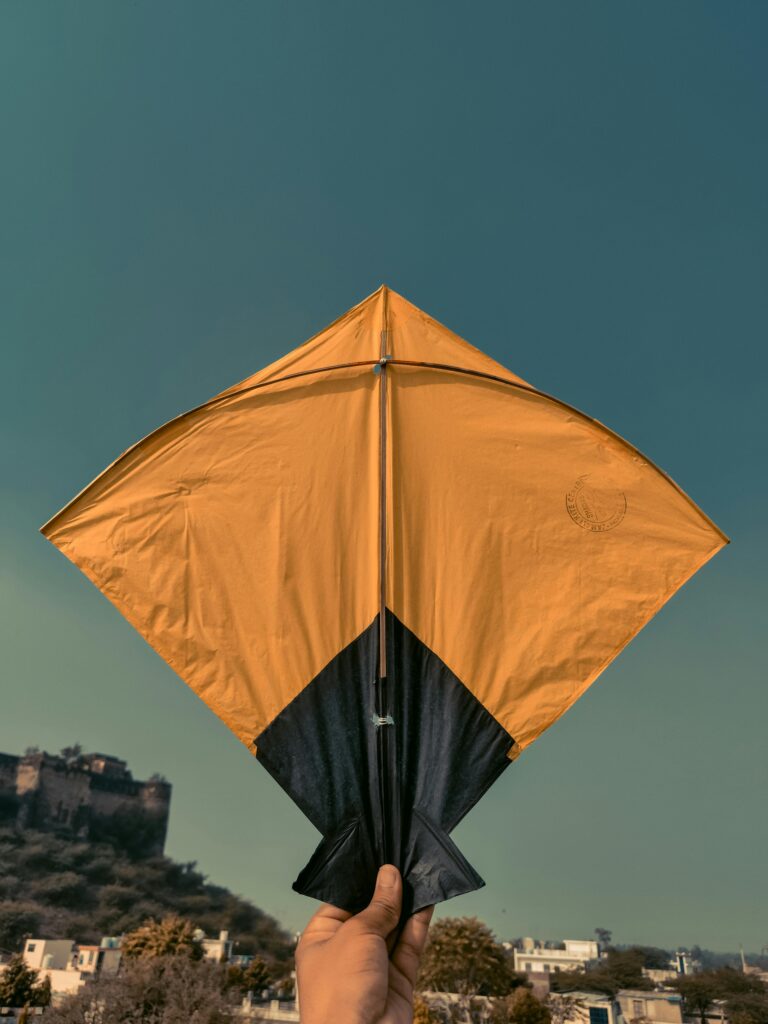
Kite flying is one of the most exciting parts of the Makar Sankranti Festival, especially in Gujarat and Rajasthan. On this day, the skies become colorful with thousands of kites flying at once. Families gather on rooftops, and friendly kite competitions take place throughout the day.
Kite flying is not just for entertainment. It symbolizes freedom, joy, and the welcoming of brighter days. It also represents the Sun’s movement toward the north and the arrival of a new season.
In Gujarat, the International Kite Festival attracts tourists from around the world. People create special kites and participate in celebrations that last for days. The atmosphere becomes filled with energy, music, and happiness.
6.2 Til-Gud Eating Tradition
Another important tradition of the Makar Sankranti Festival is eating sweets made of sesame seeds (til) and jaggery (gud). In Maharashtra, people exchange tilgul and greet each other with the famous phrase:
“Tilgul ghya, god god bola”
which means “Eat sweets and speak sweetly.”
This tradition has a deep meaning. It encourages people to forget past conflicts and start fresh with kindness. Makar Sankranti Festival 2026 It promotes harmony and positivity.
From a health perspective, sesame seeds and jaggery provide warmth and energy during winter. Sesame is rich in calcium and healthy fats, while jaggery improves digestion and boosts immunity. This makes the tradition both cultural and beneficial.
6.3 Holy Bath in Sacred Rivers
Taking a holy bath is one of the most sacred rituals of the Makar Sankranti Festival. Many people believe that bathing in holy rivers on this day washes away sins and brings spiritual purification.
Places like Haridwar, Prayagraj, and Varanasi become crowded with devotees. In Prayagraj, the festival is often connected with large gatherings at the Sangam, where the Ganga, Yamuna, and Saraswati rivers meet.
This tradition reflects faith and devotion. It is also a symbol of spiritual cleansing and new beginnings, making it one of the most powerful traditions of Makar Sankranti.
6.4 Charity and Daan Tradition
Charity is one of the strongest values promoted by the Makar Sankranti Festival. It is believed that donating on this day brings prosperity and blessings.
Makar Sankranti Festival 2026 Makar Sankranti Festival 2026 People donate sesame seeds, jaggery, grains, clothes, and blankets to the needy.
In Hindu culture, donating during Makar Sankranti is considered highly auspicious because it is believed to remove negative karma. It also teaches an important lesson: happiness becomes meaningful when shared.
The charity tradition makes the festival not just a celebration of joy but also a celebration of kindness and humanity.
6.5 Bonfire Celebration (Lohri Style Rituals)
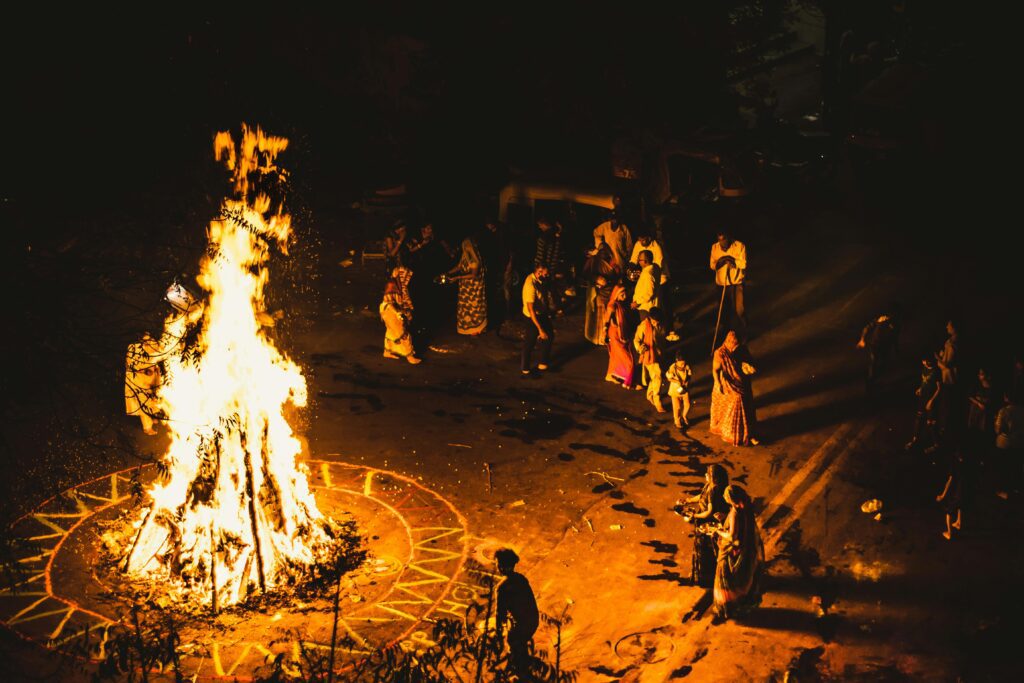
In Punjab and Haryana, the Makar Sankranti Festival is linked with Lohri and Maghi. Bonfires are lit in the evening, and people gather around them to sing folk songs and dance.
Peanuts, popcorn, and sesame sweets are offered into the fire. This is believed to bring good fortune and prosperity. The bonfire represents warmth and the end of cold winter nights.
The atmosphere becomes lively with Bhangra and Gidda performances, making this tradition one of the most joyful parts of the festival.
6.6 Harvest Celebration and Farmer Importance
Since the Makar Sankranti Festival is strongly connected with agriculture, it is celebrated as a harvest festival in many parts of India. Farmers see it as a time of gratitude and prosperity.
In villages, people organize fairs, cultural events, and community feasts. Cattle are decorated, and special prayers are performed for a good harvest season.
This tradition reminds society of the importance of farmers and agriculture. It encourages respect for nature and appreciation for the food we eat.
6.7 Traditional Food and Sweets of Sankranti
Food is one of the most enjoyable aspects of the Makar Sankranti Festival. Every region has its special dishes, but sesame and jaggery-based sweets are common almost everywhere.
Some popular dishes include:
- Til laddoo
- Gajak
- Rewari
- Chikki
- Khichdi
- Pongal
- Puran Poli
In Uttar Pradesh and Bihar, khichdi is prepared and distributed, which is why the festival is also called the Khichdi festival. In Tamil Nadu, sweet and savory Pongal is offered to the Sun God. In Maharashtra, tilgul sweets are exchanged.
These foods are not only delicious but also healthy for winter. They provide warmth and energy, making them perfect seasonal dishes.
7. Makar Sankranti Festival Celebrations in Different States
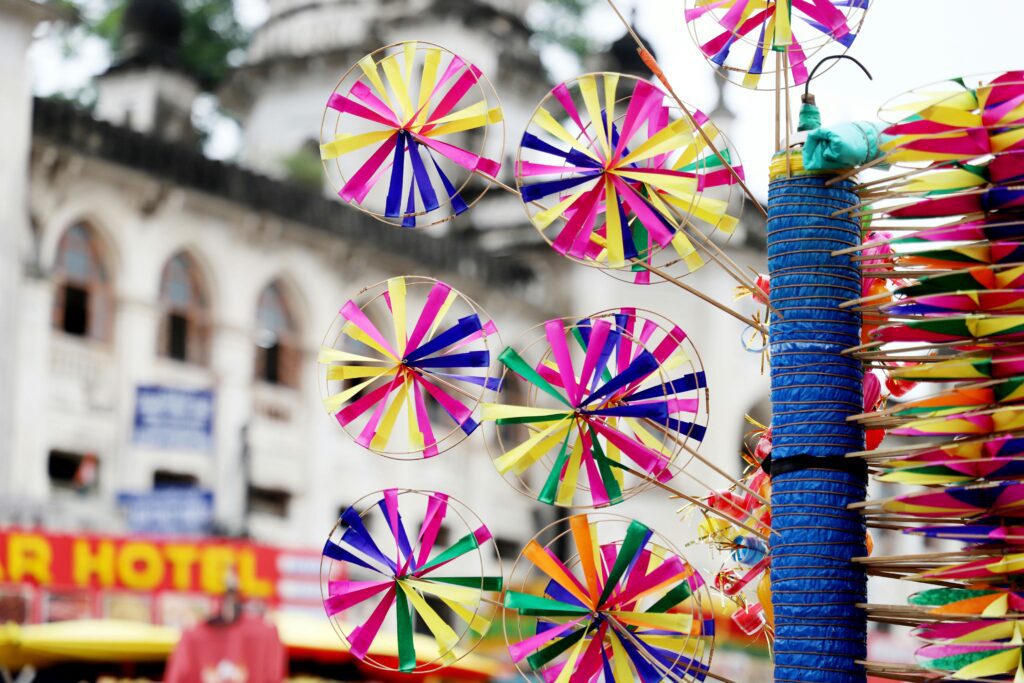
The beauty of the Makar Sankranti Festival lies in its diversity. Every state celebrates it differently.
Uttar Pradesh
Holy bathing in the Ganga and Yamuna rivers is common. Khichdi is prepared and offered.
Gujarat
Kite flying is the main attraction, and Ahmedabad hosts the International Kite Festival.
Rajasthan
People celebrate with kite flying, gajak sweets, and cultural gatherings.
Tamil Nadu
The festival is celebrated as Pongal for four days with special rituals and food.
Punjab
Bonfires, dance, and Lohri celebrations create a festive environment.
Maharashtra
Tilgul sweets and sweet greetings are the highlight of the festival.
Assam
The festival is celebrated as Magh Bihu with feasts and community events.
This diversity makes the Makar Sankranti Festival a true celebration of Indian culture.
8. Health and Seasonal Benefits of Makar Sankranti Festival
The traditions of the Makar Sankranti Festival are not only cultural but also health-friendly. Winter is a season when the body needs warmth and strong immunity. Makar Sankranti Festival 2026 Foods like sesame seeds, jaggery, peanuts, and ghee provide energy and improve health.
Sesame seeds are rich in calcium and healthy fats, while jaggery improves digestion and increases hemoglobin. This is why these ingredients are used in most festival sweets.
Sun worship also has health benefits. Morning sunlight provides vitamin D, which is essential for strong bones and a healthy immune system. The practice of taking an early morning bath refreshes the body and mind.
The festival also supports emotional health. Meeting family, sharing food, and celebrating together reduces stress and increases happiness. In this way, the Makar Sankranti Festival becomes a festival of both physical and mental wellness.
9. Best Places to Celebrate Makar Sankranti Festival in India
If you want to experience the festival in its grandest form, there are several places in India where the celebrations are unforgettable.
Ahmedabad (Gujarat)
Known for its world-famous kite festival.
Jaipur (Rajasthan)
A perfect place for kite flying and traditional sweets.
Prayagraj (Uttar Pradesh)
Famous for holy bathing at the Sangam.
Haridwar (Uttarakhand)
One of the biggest spiritual centers for river bathing rituals.
Varanasi (Uttar Pradesh)
Offers a deeply spiritual celebration of the festival.
Chennai (Tamil Nadu)
Best place to experience Pongal celebrations.
These places highlight the cultural richness of the Makar Sankranti Festival.
10. Conclusion: Why Makar Sankranti Festival is Truly Special
The Makar Sankranti Festival is not just a religious celebration, but a festival that represents hope, positivity, and prosperity. It marks the Sun’s transition into Capricorn and welcomes the auspicious period of Uttarayan. The festival teaches the importance of gratitude, kindness, unity, and spiritual growth.
From kite flying to sesame sweets, from holy bathing to charity,
Makar Sankranti Festival 2026 the traditions of the Makar Sankranti Festival are meaningful and joyful. Each tradition reflects India’s deep cultural heritage and strong connection with nature.
The festival is celebrated in every corner of India with different names and customs, but the message remains the same—moving from darkness to light, from cold to warmth, and from negativity to positivity.
The Makar Sankranti Festival 2026 will once again fill homes with happiness, strengthen relationships, and remind everyone of the beauty of tradition, devotion, and celebration.