
Table of Contents
Introduction
Mount Abu is one of those rare destinations in Rajasthan that breaks stereotypes the moment one reaches there.
Instead of heat, sand, and deserts, you are hit by cool weather, green hills, calm lakes, and viewpoints that feel nothing like the rest of the state.
And that, in fact, is the reason people planning their first trip often get confused as to where to start.
To fix that problem, this guide breaks down all major Mount Abu places to visit in a logical, practical, no-nonsense format. No fluff-just straight facts, honest tips, and clear direction on what’s worth your time.
Most tourists simply follow the common list on travel websites, but that barely scratches the surface.
If you want a balanced trip that includes spirituality, nature, adventure, viewpoints, wildlife, architecture, and peace, then you need to know exactly which Mount Abu places to visit deserve priority.
This blog covers all of that in depth, and by the end, you’ll know exactly how to structure a smart 2-day itinerary without wasting hours moving back and forth.
What Makes Mount Abu so Unique?
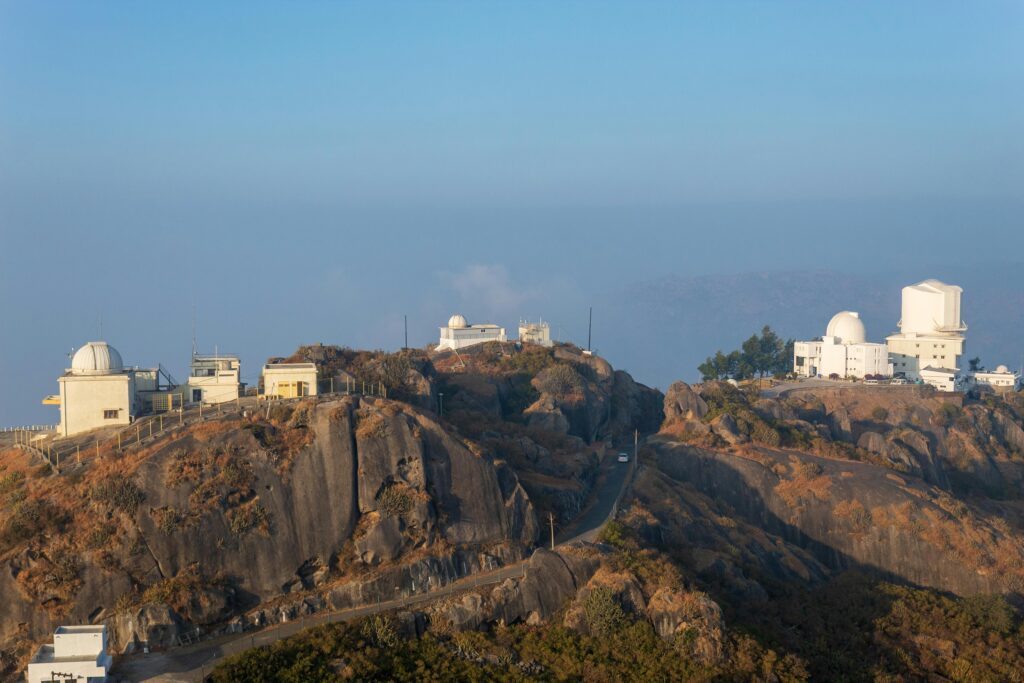
Smack in the middle of Rajasthan, Mount Abu rises out of the Aravalli Range like a green island.
The weather is cooler, the air cleaner, and the mix of forests, granite hills, lakes, temples, and wildlife is extremely rich. From trekking and photography to boating, spirituality, and peaceful hideouts, there’s something for everyone.
What makes the top Mount Abu places to visit even more compelling is how close they are to each other-nothing is too far, and most spots can be covered efficiently if planned well.
Mount Abu also has deep cultural roots, with everything having a story to tell-from ancient Jain temples to mythological references.
You can experience these stories physically through architecture, trails, carvings, and sacred spots.
Unlike many tourist places, which are always commercial or have jarring crowds, Mount Abu still retains a raw, untouched feel in its many corners.
That mix of popularity and hidden charm is precisely what makes the Mount Abu places to visit so interesting and worth the trip.
Top 10 Mount Abu Places to Visit
Now, let’s get into the real meat of this guide. These are the core locations every traveler should consider. If you’re building a serious itinerary, this is your foundation.
Dilwara Jain Temples
Skip Dilwara, and you might as well have come for nothing – that’s just how it is. These temples are the crowning glory among all places to visit in Mount Abu, especially for those who love architecture.
Constructed between the 11th and 13th century, the marble carvings here are simply stunning. Every pillar, every ceiling, every corridor, and every dome seems to be the work of a lifetime. The attention to detail is insane.
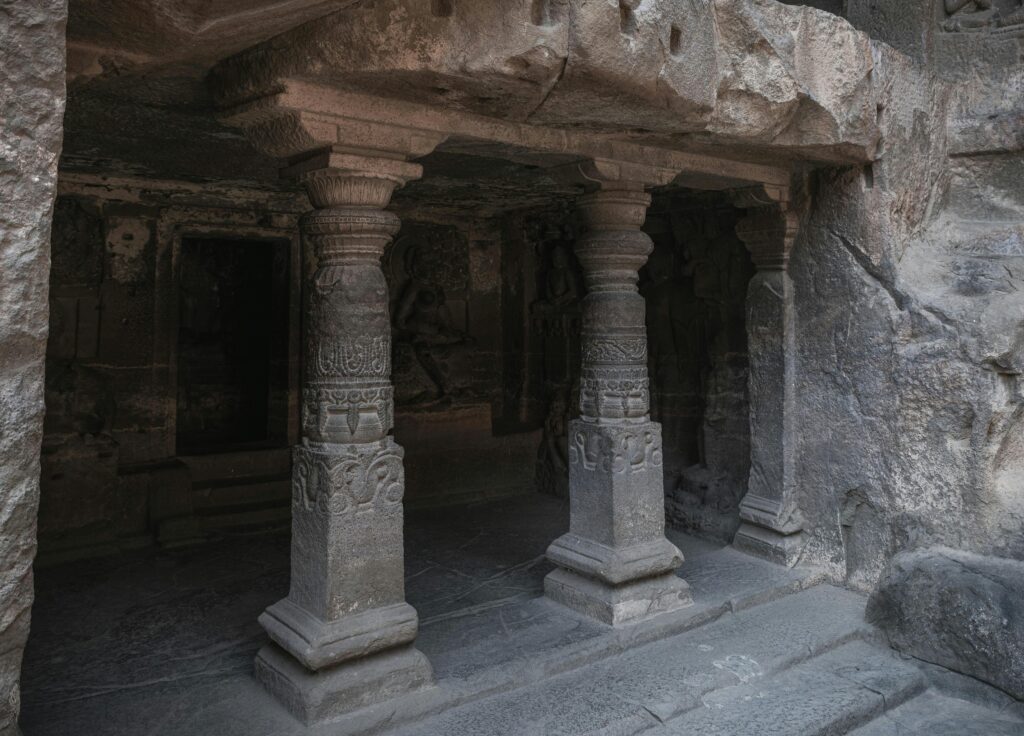
Inside, even in afternoon sunlight, the cool marble keeps things quite serene. No photography is allowed inside, and, frankly, that’s a good thing: It allows you to actually look at the carvings instead of taking pictures nonstop.
There are several buildings within this temple complex, all with different artistic touches. The best time to visit is early morning when the crowds are low.
Dilwara should be on the list for Mount Abu places to visit if one wants to experience craftsmanship at its best.
Nakki Lake
The Nakki Lake forms the emotional nucleus of Mount Abu. The place is surrounded by hills, viewpoints, eateries, and walking paths.
You can walk the entire perimeter in 20–30 minutes and the environment is refreshing, especially in the morning. Boat rides, paddle boats, and small food stalls add to the charm.
The versatility of Nakki Lake makes it one of the strongest points among Mount Abu places to visit.
Couples come here for evening walks, families come for boating, photographers come for reflections in the water, and solo travelers come to relax. It’s also an ideal starting point for visiting nearby attractions like Toad Rock and Sunset Point.
The best time to go there for a peaceful visit is early morning, but if one wants to experience liveliness, then evenings are ideal.
Guru Shikhar
Guru Shikhar is the highest peak of the Aravalli Range and, therefore, is one of the most rewarding Mount Abu places to visit for people who enjoy views and fresh air. The drive itself is enjoyable — the road climbs through dense greenery, and the temperature drops noticeably as you go higher.
Finally, once you reach the top, one has to climb a series of steps to reach the actual peak and the Guru Dattatreya Temple.
The view from the top is wide and open, giving you a panoramic look at the Aravalli mountains. It’s windy, quiet, and perfect for photography.
If you don’t like crowded places, then avoid going on weekends, but otherwise, this is a must-visit place.
Sunset Point
It means exactly what the name says-a point to watch the sun set. But don’t underestimate it, as this place is truly a sight to watch, especially during the time of evening when the sky gets orange and pink.
It’s one of the most iconic Mount Abu places to visit; hence, it gets very crowded, especially between 5 PM and 6:30 PM.
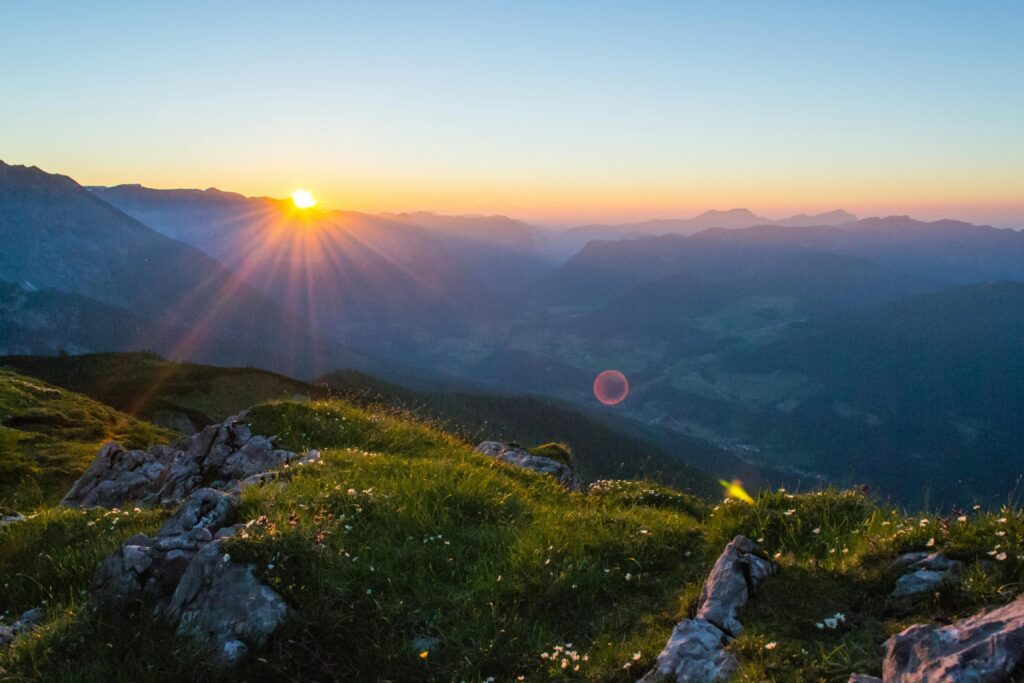
The perfect strategy: reach by 4:45 PM, choose a spot, and do not budge. You will enjoy an ideal view without jostling for space at the last minute. If you were thinking about evening photography, here it is.
Toad Rock
This is a natural rock formation and looks literally like a giant toad, sitting and staring at the lake. It is one of the most basic and entertaining places to visit in Mount Abu.
A trek to the top may take just around 10–15 minutes, yet some steps are uneven; hence wear proper shoes.
Once you reach the top, you get an excellent view of Nakki Lake from a higher point. It is ideal for photos. Early morning is a good time as it gives soft light and fewer crowds.
Achalgarh Fort
Achalgarh Fort is one of the most historically significant Mount Abu places to visit, but most tourists overlook it because they stick to the usual lake and viewpoints.
That’s their loss, because the fort offers a perfect mix of architecture, mythology, and photography. Built originally by the Paramara dynasty and later renovated by Maharana Kumbha, the fort has two major highlights: the fort walls and the Achaleshwar Mahadev Temple inside the complex.
The temple is devoted to Lord Shiva and contains a footprint-like impression believed to be of the deity.
You will also come across ancient sculptures, a serene courtyard, and the surrounding hills which give a dramatic backdrop. The fort itself is not fully intact but the ruins make it a very interesting spot for photography.
This fort deserves a solid slot in a smart itinerary of Mount Abu places to visit because it adds depth and character to your trip rather than just repeating similar viewpoints.
Mount Abu Wildlife Sanctuary
If you are searching for relief from temples and lakes, this sanctuary offers you just that. It stands as one of the most ecologically rich Mount Abu places to visit, covering large stretches of forests loaded with wildlife, birds, and unique plants.
The main attractions of the sanctuary are leopards, sambhar deer, foxes, langurs, and a surprising variety of bird species, hence perfect for nature and wildlife lovers.
The atmosphere is totally different from that of the town area. The trees are thick, the trails narrow, and the silence is serene, giving it a more raw, untouched feel.
If you plan your day well, then you might be able to cover a few viewpoints inside the sanctuary too. The ideal time is early morning or evening when the temperature is low, and the animals are very active.
You don’t need a whole day here, but giving the sanctuary 2-3 hours strengthens the variety of your list of Mount Abu places to visit.
Brahma Kumaris Peace Park
Among the most peaceful and cleanest places to visit in Mount Abu is the Peace Park, which comprises a meditation area, gardens, stone pathways, and open lawns.
It’s run by the Brahma Kumaris organization and focuses on promoting peace, relaxation, and inner balance.
Whether you’re religious or not, the environment itself is refreshing enough to justify a visit.
Everything here is well-maintained, be it plants, pathways, meditation rooms, displays, and information boards. If you have been climbing viewpoints and jostling with crowds the whole day, Peace Park is an excellent stop.
One can meditate, sit in the gardens, or just take a stroll. Its calm environs make it indispensable for anyone who wants to balance their schedule with some relaxation-inclined Mount Abu tourist places rather than mere adventure and sightseeing.
Trevor’s Tank
Trevor’s Tank is a dream of every wildlife enthusiast, particularly the ones who love photography and quieter places.
Unlike the mainstream Mount Abu places to visit, it has a very raw forest feel. The tank itself is a man-made reservoir surrounded by rocky cliffs and dense greenery. It’s known for crocodiles, birds, and occasional wildlife sightings.
The walking trails around the tank are great for those who seek silence and nature rather than places bustling with tourists.
Early morning is the best time for birdwatching because you can spot many species around the water. If you are planning your trip to include both popular and hidden gems, then Trevor’s Tank fills that “offbeat” slot perfectly.
Adhar Devi Temple
This is one of the most difficult yet pleasing spots in Mount Abu to visit because reaching it requires climbing more than 300 steps carved inside a rocky hill.
The temple is dedicated to Goddess Durga and lies inside a cave, which gives it an absolutely different and powerful atmosphere.
A workout it is, but the view from the top along with the energy inside the cave makes it absolutely worth it.
The route to the temple is narrow in places, so morning visits are better to avoid crowd build-ups.
Once you reach, it offers a great viewpoint with the hills and greenery below you. If your travel style includes spiritual spots, challenging climbs, and unique landscapes, this temple definitely goes into the list of places to visit in Mount Abu.
Extra Underrated Mount Abu Places to Visit
Not every good location makes it to the popular lists. These two underrated spots are short visits, but they can improve your itinerary significantly when you want to add variety.
Honeymoon Point
Don’t get confused by the name; this is not for couples alone. Honeymoon Point is among the most tranquil places to visit in Mount Abu, best suited for those looking for tranquil views sans chaos of people moving around.
The viewpoint is positioned to provide a direct, wide-angle look at the surrounding hills. The best time for a visit is late afternoon when the sunlight hits the rock formations beautifully.
The reason being, most people avoid this point and instead flock to Sunset Point, but frankly, this one is much more peaceful. If you’re into photography or quiet viewpoints, then this should be in your list.
Raghunath Temple
Raghunath Temple is a smaller yet spiritually significant temple near Nakki Lake. It’s less crowded, easy to access, and peaceful in the atmosphere.
If you’re already visiting Nakki Lake, adding this makes good sense since it slots into the route quite well.
It may not feature on every tourist’s things-to-do checklist in Mount Abu, but its simplicity, calmness, and historical touch make it quite worthy of inclusion.
Ideal Mount Abu 2-Day Itinerary
Here’s a practically usable and time-efficient itinerary that covers all the important Mount Abu places to visit, so that you don’t end up wasting time roaming around aimlessly. No unrealistic schedule, just a sharp layout that works.
???? Day 1: Classic + Spiritual + Scenic
Morning:
Start with Dilwara Jain Temples – less crowd, peaceful.
Go for a walk or boat ride at Nakki Lake.
Trek up to Toad Rock for a hilltop view of the lake.
Afternoon:
Head to Achalgarh Fort, and explore the temples and ruins.
Evening:
Go to Sunset Point and get a good spot before the crowds come.
This is a balanced day packed with the core Mount Abu places to visit, including architecture, nature, and trekking viewpoints.
???? Day 2: Nature + Adventure + Peace
Morning:
Visit Guru Shikhar early for clear views.
Stop for a relaxing break at Brahma Kumaris Peace Park.
Afternoon:
Head into the Mount Abu Wildlife Sanctuary for a nature experience.
If you love forest and wildlife, proceed to Trevor’s Tank.
Evening:
Adhar Devi Temple: Visit the temple for its cave experience and a final viewpoint.
It includes all the nature-based and adventurous Mount Abu places to visit, which concludes with a spiritual climb.
Travel Tips for Visiting Mount Abu
Most tourists waste time because they visit the right places at the wrong time, or they follow random recommendations without knowing the ground reality. These travel tips will help you cover all the important Mount Abu places to visit efficiently without burning energy or wasting hours moving in circles.
- Best Season to Visit
Mount Abu is a hill station, but that doesn’t mean all months are equally good.
Here’s the hard truth:
Best time: October to March
Avoid: Treks during peak summer afternoons or monsoons.
Moderate months: July–September (green but slippery paths)
If you’re planning a trip mainly for viewpoints and outdoor activities, stick to winter and post-monsoon months. That way, most major Mount Abu places to visit are accessible, comfortable, and visually at their best.
- Best Time of Day for Major Spots
Each place has its “smart time” to visit and a “bad time”.
Dilwara Jain Temples: Early morning
Nakki Lake: Sunrise or evening
Guru Shikhar: Before 11 AM
Sunset Point: Reach before 5 PM
Toad Rock: Morning for softer light
Wildlife Sanctuary: Early morning or 4–6 PM
Adhar Devi Temple: Morning before the climb heats up.
Following this timing alone enhances your experience of Mount Abu places to visit by at least 30–40%.
- What to Pack
Don’t pack casually; Mt. Abu evenings are cold even during warm days.
Carry:
A light jacket
Comfortable walking shoes
Water bottle
Cap for trekking areas
Power bank
A small backpack
These basics help you in comfortably completing the physically demanding Mount Abu places to visit, especially the hikes and viewpoints.
- Budget Tips
Mount Abu can be affordable, provided one avoids unnecessary expenses.
Choose hotels a little further away from Nakki Lake (cheaper).
Book taxis or auto-rickshaws for grouped sightseeing rather than separate trips.
Eat at clean mid-range restaurants instead of overpriced lakeside ones.
Avoid buying random souvenirs at inflated prices near major Mount Abu places to visit.
Your money is better spent on enriching experiences, not wasted on tourist traps.
- Safety & Practical Tips
Don’t trek alone in isolated areas.
Keep cash handy; not all spots accept UPI.
Avoid roads that pass through forests at night.
Wear firm-grip shoes on rocky tracks. Respect temple rules: no photography where restricted. These basics keep your trip smooth while you explore even the lesser-known places to visit in Mount Abu.
Conclusion
Mount Abu is more than just a hill station; it’s an experience that seamlessly integrates greenery, spirituality, viewpoints, adventure, and wildlife, along with spaces that exude calmness-all perfectly blended into an experience not many destinations can offer.
But the greatest surprise here is the ease with which you glide from one vibe into another: here you are, standing around ancient marble temples one moment, and at a windy mountaintop or a quiet meditation park the next.
It is this variety that makes the best places to visit in Mount Abu seem fresh and exciting even on a short 2-day tour.
By now, you have seen all the important places to visit in Mount Abu in detail, from famous must-see places like Dilwara Temples and Nakki Lake to lesser-known points such as Trevor’s Tank and Raghunath Temple.
You also have a practical itinerary, route planning, and honest tips to beat the crowds, handle timings, and make the most out of each visit.
The idea was to avoid noise and give clarity for realistic tour planning-and that is precisely what this guide does.
If you stick to the route and timing structure as mentioned above, you will easily put in all the important Mount Abu places to visit without stress, confusion, or wasting any time.
You’ll enjoy the popular spots sans getting pushed by crowds and will still get time to breathe in the quitter and scenic areas that most of the tourists miss out on unknowingly.
Mount Abu proves that even in the land of deserts, Rajasthan, one could find cool air, high peaks, dense forests, and peaceful surroundings.
No matter if you are traveling solo, with friends, or family, the range of Mount Abu places to visit ensures there is something for every kind of traveler.
Your trip can be scenic, spiritual, adventurous, relaxing, or an amalgamation of all the above — it’s your choice. Mount Abu is not just a stop; it’s a complete package in itself.