
Table of Contents
Introduction to Guru Shikhar
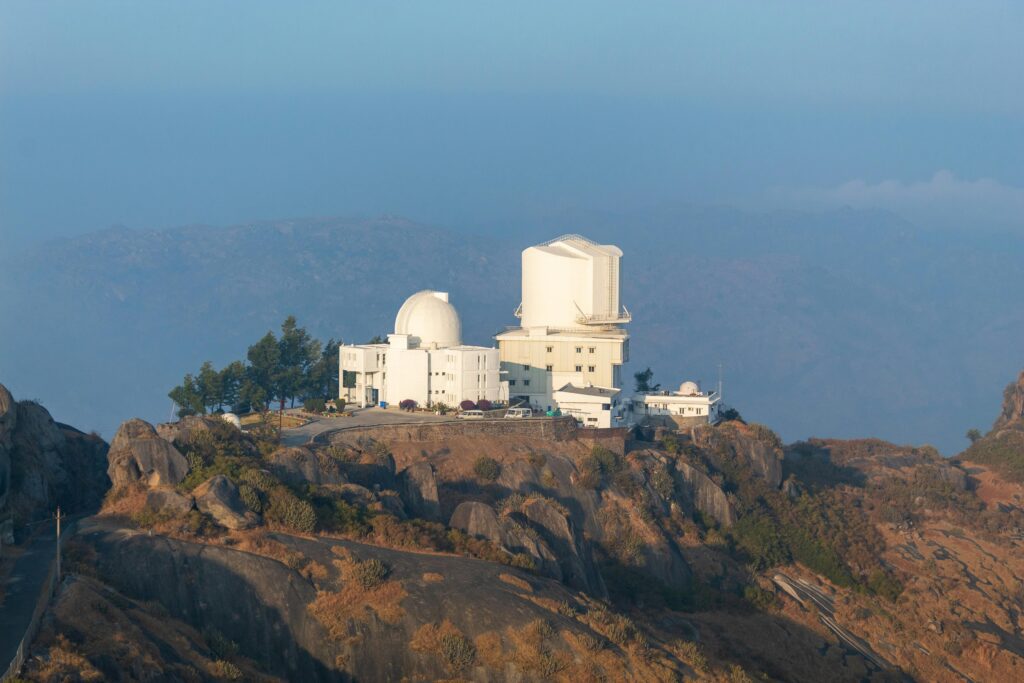
Guru Shikhar, located in the beautiful town of Mount Abu, is at an altitude of 1,722 meters above sea level and is the highest point in Rajasthan.
This peak forms part of the Aravalli Hills and allows one to see dense forests, rolling hills, and distant valleys from atop.
The serenity of the environment in Guru Shikhar and the panoramic views have been the reason for tourists, pilgrims, and nature lovers visiting this place.
Unlike other peaks in Rajasthan, Guru Shikhar represents not only a natural wonder but also a cultural and religious landmark.
Visitors come to enjoy the serenity of hills, go on trekking, and watch the mesmerizing sunrises and sunsets.
The combination of natural beauty, religious significance, and adventure makes Guru Shikhar an unmissable destination in the state.
Historical and Cultural Significance
The name Guru Shikhar translates to “the Guru’s Peak” and is deeply connected with the legendary sage Dattatreya, who is believed to have meditated at this summit.
The Dattatreya Temple, situated on the peak, forms a major pilgrimage destination and attracts pilgrims from all over India.
The serenity of the environment and architectural beauty add to the temple’s popularity as an important spiritual place in the Aravalli Hills.
Historically, Guru Shikhar has been considered a place of meditation and spiritual retreat.
Ancient texts mention sages who sought solitude here to connect with nature and practice spiritual disciplines.
Over time, the peak gained prominence not only for its religious value but also as a cultural landmark that reflects Rajasthan’s rich heritage.
Local legends emphasize the sanctity of the peak, and festivals and rituals performed at the temple continue to attract devotees year after year.
Geographical and Environmental Overview
Guru Shikhar enjoys a unique and privileged position in the physical geography of Rajasthan. Standing tall at an elevation of about 1,722 meters above sea level, it is the officially recognized highest point in the state.
Located within Mount Abu, which is the only hill station of Rajasthan, Guru Shikhar forms an integral part of the ancient Aravalli Hills-one of the oldest mountain chains in the world. Its geographical prominence and environmental richness make it a very unique natural landmark.
Location and Geological Importance
Guru Shikhar is located in the southwestern part of Rajasthan, in the Sirohi district. The Aravalli Hills run across a number of Indian states and are geologically very old, with estimates suggesting an age of more than a billion years.
Unlike younger mountain systems like the Himalayas, the Aravallis have been very heavily eroded and carry the hallmark of being rugged and weathered.
The elevation of Guru Shikhar provides a commanding vantage point over the surrounding terrain. From the summit, one can observe rolling hills, deep valleys, and forested slopes-a virtual contrast to the dry, cracked sand plains found elsewhere in Rajasthan.
This geographical variation is one of the primary reasons Mount Abu and Guru Shikhar enjoy a cooler climate and richer biodiversity compared to much of the state.
Climate and Weather Conditions
Because of its elevation and situation in the Aravalli Hills, the climate of Guru Shikhar is far different from the deserts of Rajasthan. Summers remain mild and are a relief from the burning heat of the plains.
Winters can be cold, especially early in the morning and at night, with fog sometimes adding a mystique to the landscape.
In the monsoon season, Guru Shikhar is adorned with greenery everywhere. Rain acts as a promoter of dense vegetation and enhances the visual beauty of hills, valleys, and forests.
Cloud formations often create dramatic visuals at the summit and frequently remind one of its status as the highest point in the region.
Flora and Vegetation
The environment of Guru Shikhar is quite rich in flora, supported by higher rainfall and cooler temperatures.
Mixed deciduous and evergreen trees, shrubs, and grasses grow on the slopes. Some of the common vegetation seen here includes groves of bamboo, wildflowers, and medicinal plants that grow well along the hilly terrain of the Aravalli range.
This dense vegetation plays a very important role in preventing soil erosion, hence maintaining ecological balance. 4
The forests around Guru Shikhar also act as natural water catchment areas, helping to sustain groundwater levels in the nearby regions. The greenery enhances the scenic beauty of the peak, making it one of the most striking landscapes in Rajasthan.
Wildlife and biodiversity
The Guru Shikhar falls in the vicinity of the Mount Abu Wildlife Sanctuary, which itself contributes a great deal to the biodiversity of the region. The surrounding forests house several animal and bird species.
One can spot langurs, foxes, reptiles, and many species of birds native to the Aravalli Hills.
It abounds in birdlife, with peafowl, eagles, and songbirds being seen quite often. The presence of such wildlife indicates that Guru Shikhar is an ecological hotspot, and further consolidates the need to preserve its natural environment.
Aravalli Hills: Importance to the Environment
Guru Shikhar forms part of the Aravalli Hills and, therefore, contributes to shaping the regional ecosystem.
The Aravalli range, indeed, works as a natural barrier controlling the weather pattern and helping to avoid expansion of desert conditions into eastern Rajasthan.
The height of Guru Shikhar contributes to that ecological function by supporting vegetation and tempering the climate of surrounding areas.
The ecological significance of Guru Shikhar is not confined to its immediate environs. Its forests, water systems, and biodiversity ensure long-term ecological stability and, thus, are an asset to Rajasthan State.
Natural Serenity of Rajasthan’s Highest Point
The feeling of isolation and serenity is what makes it really different. Far from the din of city life, the summit presents a tranquil environment wherein nature has taken over.
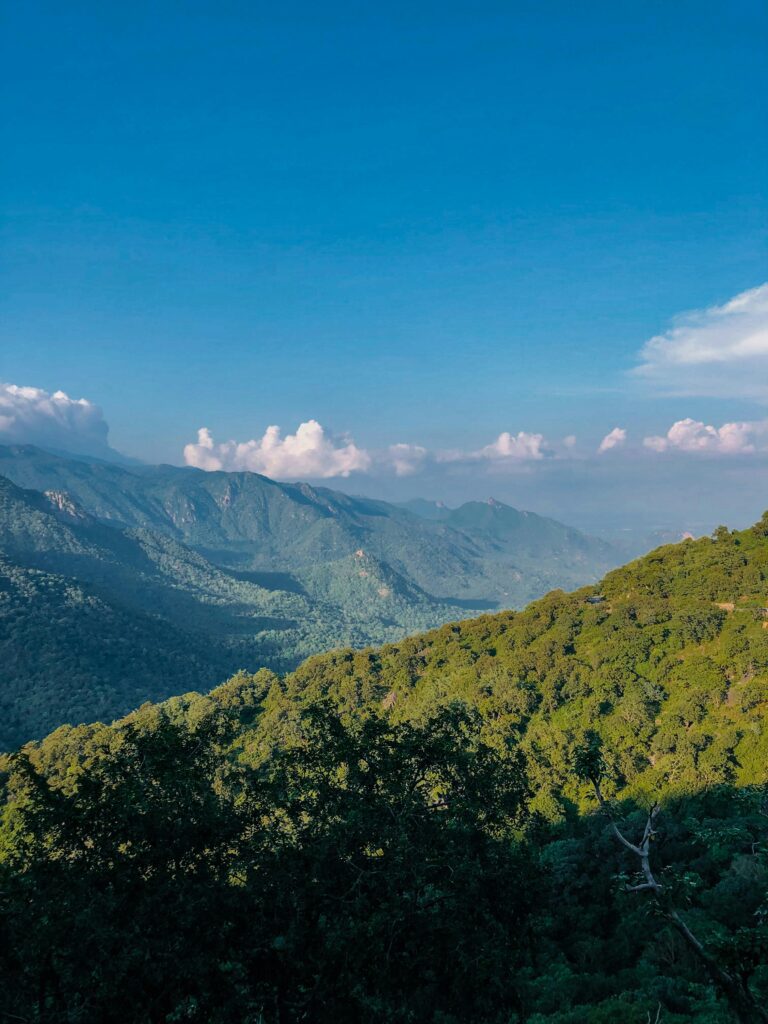
The altitude, combined with the forest cover and sprawling vistas, creates a peaceful ambiance that defines the character of Rajasthan’s highest point.
In brief, Guru Shikhar stands out because of its geographical and natural traits, which make it one of the most important natural landmarks in Rajasthan.
Its elevation, climate, biodiversity, and setting in the ancient Aravalli Hills draw attention to the importance of this location as much for its scenic beauty as for ecological and geological value in the state.
- Architectural and Temple Highlights
While Guru Shikhar is famously hailed as the highest point in Rajasthan, it indeed encompasses much more than natural beauty.
Sacred structures at the peak that reflect the region’s spiritual traditions and an architectural style that is simple yet meaningful abound.
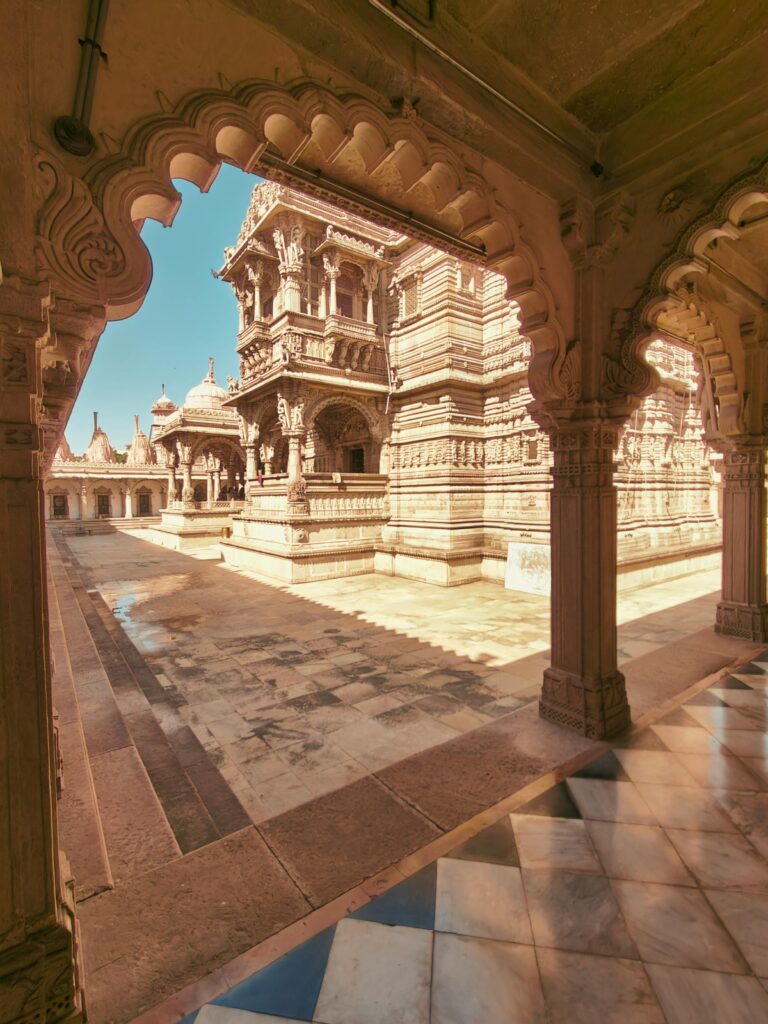
Nestled deep within the rugged Aravalli Hills, these religious structures perfectly contrast their natural surroundings with a view toward the harmonious meeting of faith and nature.
Dattatreya Temple: The Spiritual Heart of Guru Shikhar
Right at the top of Guru Shikhar is the famous Dattatreya Temple, a shrine of great religious importance. It is devoted to the sage Dattatreya, believed to be an incarnation combining the Hindu trinity of Brahma, Vishnu, and Mahesh.
This temple has been attracting pilgrims since time immemorial. Situated at the highest point in Rajasthan, this further adds to its spiritual symbolism, representing elevation not only in geography but also in spiritual consciousness.
The temple structure is modest but very meaningful. Where grand palaces or forts show architectural grandness, the Dattatreya Temple reflects simplicity, reflecting the ascetic life of sages and spiritual seekers.
The temple has been constructed with local stone that manages extreme weather conditions to retain its sacred appeal. The simplicity in the design of the temple makes visitors meditate, pray, and seek inner peace rather than indulge in ornamental excesses.
Architectural Simplicity Rooted in Tradition
The architectural style followed by Guru Shikhar exemplifies the traditional hill-temple design, where function and spirituality are dominant over the detailing of intricate ornamentation.
Stone slabs are used with as little carving as possible, the layout is compact, and the mountainous environment of the Aravalli Hills has nothing incongruous with it. Such architecture speaks to the sagacity of ancient builders, who not only knew their geography but also the climate.
The complex contains small shrines and other open spaces through which natural light and fresh mountain air can flow freely.
Architecturally, this openness contributes to the spiritual atmosphere while affording spectacular views of the surrounding landscape.
Sacred space associated with panoramic scenery allows Guru Shikhar to be one of the few places in which architecture and nature coexist with effortless ease.
Bell Tower and Viewing Platforms
Another major feature near the temple is a bell tower and nearby viewing platforms. These are designed to allow visitors unobstructed views of the valleys, forests, and distant peaks in the Aravalli range.
Though simple in construction, these platforms serve an important purpose: they connect the spiritual experience of the temple with the natural grandeur of the surroundings.
The clanging of the temple bells over the hills completes the mystical atmosphere of Guru Shikhar. This combination of auditory elements, together with the visual vastness from the highest point, creates an intensely immersive experience that is deeply rooted in tradition and serenity.
Cultural Practices and Ritual Spaces
These religious practices are further supported by the architectural layout in the temple area. Small courtyards and open spaces allow devotees to perform various rituals with ease.
During auspicious days, these areas can accommodate gatherings without disturbing the peaceful environment. The design reflects an understanding of community worship while maintaining respect for the sacredness of the site.
For generations, Guru Shikhar has been the place of pilgrimage, meditation, and reflection. The fact that its temples and buildings have stood the test of time shows how architecture can serve spiritual needs without tampering with the surroundings of the Aravalli Hills.
Harmony between Architecture and Nature
What really sets the architectural highlights of Guru Shikhar apart is how well the man-made structures blend into the landscape.
Instead of dominating the environment, the temple and associated structures almost seem to grow organically from the mountain itself. It is a balance that reinforces the spiritual philosophy associated with the peak: that of living in harmony with nature.
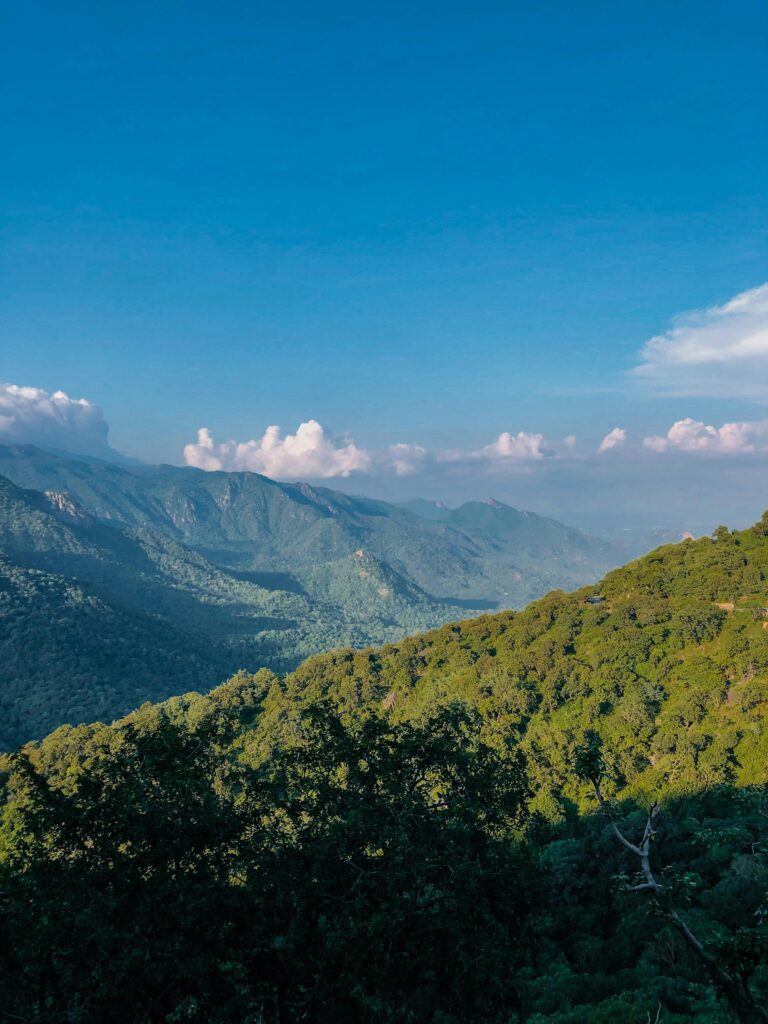
In short, the architectural and temple highlights of Guru Shikhar exude timeless values of simplicity, devotion, and awareness of the environment. Against the dramatic backdrop of the highest point in Rajasthan, these sacred structures enhance the cultural and spiritual depth of the peak, and Guru Shikhar becomes not just a beautiful destination but a symbol of everlasting faith and thoughtful architecture.
Trekking and Adventure at Guru Shikhar
It also has a number of trekking routes for the adventurous, some of which are moderate while others are challenging.
Winding through thick forests, rocky paths, and hill slopes, these routes give the hiker ample opportunity to understand and appreciate the natural environment of the Aravalli Hills.
Along the trek, one can witness diverse flora, occasional wildlife sightings, and panoramic viewpoints that are perfect for photography.
Trekking to Guru Shikhar is not a mere act of physical exertion but an experience in the wilderness and history. Every step is rewarding due to the steep rises, shaded forest paths, and breathtakingly beautiful views.
Well-maintained roads allow vehicles to reach the peak, making it accessible for all kinds of travelers in case one is searching for a less strenuous journey. Proper shoes, adequate hydration, and local guidance can ensure a safe and enjoyable adventure.
Standing on Guru Shikhar, the highest point in Rajasthan, will leave visitors in awe at the grandness of nature. This peak is located in ancient Aravalli Hills and offers a series of breathtaking panoramas; each moment seems to change with time, season, and light.
Be it the golden sunrise or the cloudy valley below, every view from Guru Shikhar feels like a living painting. The following are the seven most striking views that have defined the beauty and uniqueness of this majestic summit.
Sunrise over Aravalli Hills
The most magical moment at Guru Shikhar is at its sunrise. As the first rays of the sun make their way from behind the Aravalli Hills, the landscape slowly comes alive in shades of gold, orange, and soft pink.
‘The valleys down below are filled with mist, which gives an ethereal atmosphere, making it feel as if the peak is floating above the clouds.
This view perfectly captures the serenity and spiritual aura associated with Guru Shikhar, especially during the early morning hours.
Rajasthan’s Sunset Panorama from Highest Point
Equally breathtaking is the sunset at Guru Shikhar. As the sun goes down, the sky changes color, and long shadows fall across the hills and forests.
From the highest point in Rajasthan, the panoramic view stretches to infinity, offering a sense of spaciousness and calm. The ebbing light outlines the contours of the Aravalli range in bold relief-an experience to be etched on the mind forever.
Aerial view of Mount Abu
From the top of Guru Shikhar, one can enjoy breathtaking, though exclusively aerial, views of the hill resort of Mount Abu, the only hill station in Rajasthan.
Houses are tightly packed together and roads meander up and down, reaching the town below. The view from here is unique, showcasing the way Mount Abu has been laid out on the natural terrain of the Aravalli Hills.
Lush Forests and Wildlife Landscape
Surrounding Guru Shikhar are dense forests that form part of the Mount Abu Wildlife Sanctuary. From the peak, one can observe vast stretches of greenery dotted with rocky outcrops and hidden trails.
These forests are home to diverse flora and fauna, including birds, reptiles, and small mammals. It draws attention to the ecological importance of the Aravalli Hills and underlines the role played by Guru Shikhar in preserving Rajasthan’s natural heritage.
Distant View of Nakki Lake
On clear days, the shining waters of Nakki Lake are visible from Guru Shikhar. Set amidst hills, the lake appears as a glittering gem set amidst a robust landscape.
This far-off view beautifully contrasts the placid, reflective surface of the lake with the vast, undulating landscape of the Aravalli range. It is one of the most photographed sights from the summit.
Cloud-Covered Valleys During Monsoon
During the monsoon season, Guru Shikhar lets one witness a truly magical sight: the valleys are strewn with drifting clouds. From the highest point, it feels as though one is standing above the clouds, watching them roll through the hills below.
This surreal view transforms the landscape into a dreamlike setting, making the monsoon months especially enchanting for visitors who seek nature at its most dramatic.
Star-Filled Night Sky at the Summit
After sunset, Guru Shikhar reveals another breathtaking view-the night sky. Far from city lights, the summit offers excellent conditions for stargazing.
On clear nights, an endless number of stars light up the sky, creating a tranquil and breathtaking scene.
The silence of the hills along with the vast starry expanse provides a deeply calming experience that leaves a lasting impression on the visitors.
Why These Views Make Guru Shikhar Special
Each of the seven views gives another dimension of this aura of Guru Shikhar—its natural beauty, spiritual calm, ecological richness, and geographical importance as the highest point of Rajasthan.
Whether viewed at dawn, dusk, or under a starry sky, the panoramas from the peak showcase the timeless beauty of the Aravalli Hills and explain why Guru Shikhar is considered one of the most scenic locations in the state.
Suggestions for Visitors
A visit to Guru Shikhar can be memorable if planned well. Here are some useful tips:
Best Time to Visit: October to March for pleasant weather and clear views.
How to Reach: Accessible via road from Mount Abu town, with options for adventure enthusiasts. Nearby Attractions: Nakki Lake, Mount Abu Wildlife Sanctuary, Achalgarh Fort.
Photography Tips Early morning and late evening are the best times to shoot scenic vistas. Safety Tips: Comfortable shoes for trekking, carry enough water, and follow the local guidelines.
8. Conclusion
Guru Shikhar proudly stands as the highest point in Rajasthan, a place where nature, spirituality, and history combine in perfect harmony.
Situated amidst the ancient Aravalli Hills, this majestic peak offers an experience that is both visually breathtaking and emotionally calming. From panoramic landscapes to spiritual significance, Guru Shikhar represents timeless beauty and cultural depth in Rajasthan’s hill regions.
One of the most striking features of Guru Shikhar is its natural diversity. At its peak, one can see dense forests, rolling valleys, and rugged mountain terrain-all a reflection of the rich ecology that characterizes the Aravalli range.
The bewildering visual effect changes throughout the day, from misty mornings, through golden sunsets, to star-filled nights.
These breathtaking views, in fact, characterize the scenic appeal of Guru Shikhar and underscore its multifarious role as a natural viewpoint in Rajasthan. Of equal importance is the spiritual aura surrounding the summit.
The Dattatreya Temple imbues the site with religious and cultural significance. For hundreds of years, sages, pilgrims, and seekers alike have attributed meditation, peace, and spiritual contemplation to Guru Shikhar.
This combination of spirituality with nature makes the peak unique from other viewpoints in the region, making it a place of quiet contemplation as well as scenic admiration. Geographically, Guru Shikhar forms part of the Aravalli Hills, one of the oldest mountain ranges in the world.
Its height brings variety to the climatic condition in Mount Abu and supports a unique ecosystem that is in sharp contrast to the arid plains of Rajasthan. The peak stands as a reminder of the region’s ancient geological history and the role these hills play in maintaining environmental balance.
The abiding charm of Guru Shikhar lies in the fact that it combines numerous experiences together.
For nature lovers, it provides a vantage point; for the spiritually inclined, a quiet haven; and for those interested in geography and history, an interesting spot. Its landscapes, silence, and elevated view give the visitor a glimpse of the extent and beauty of Rajasthan, which few locations can offer.
Guru Shikhar embodies the meaning of elevation in every sense: physical, spiritual, and cultural. Being the highest point of the state, it stands as a quiet sentinel over the Aravalli Hills, commanding timeless views and a deep sense of serenity.
Its natural grandeur, coupled with its cultural importance, makes Guru Shikhar one of the most treasured hilltop landmarks of Rajasthan, known for its beauty, calmness, and lasting heritage.