
Table of Contents
Introduction
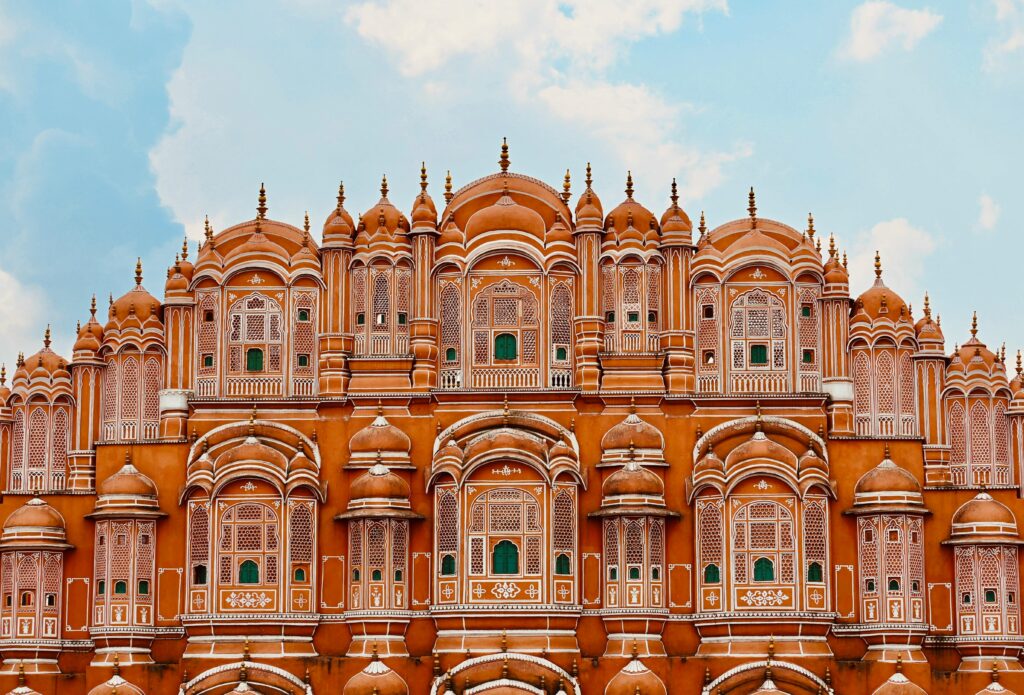
Hawa Mahal is one of the most historical and recognizable sites of India, and it symbolizes the rich heritage of Jaipur.
It is located in the heart of Jaipur, famously known as the Pink City, and it attracts tourists from all around the world because of its peculiar architecture, cultural significance, and historical value.
It was constructed way back in the late 18th century, and it symbolizes the artistic and social values of the Rajputs.
While talking about hawa mahal, it is not possible to discuss its architectural elegance devoid of its cultural significance.
It was meant not to be the royal residency but an architectural screen with the sole functionality of allowing royal women to view the street life anonymously.
This functionality makes mahal distinct from other historic structures found in Rajasthan.
The of today is an internationally renowned tourists spot, appreciated for the honeycomb façade, cooling effect, and the royalty that the monument carries.
Its historical significance and uniqueness of the monument have made it one of the most clicked attractions of India.
The Unique Honeycomb Architecture of Hawa Mahal
One of the most interesting and fascinating features of themahal is its unique honeycomb architecture.
The main façade of the monument features 953 windows, known as jharokhas, arranged in a symmetrical pattern to resemble a honeycomb. This is the only unique feature found in palace architecture across the whole of India.
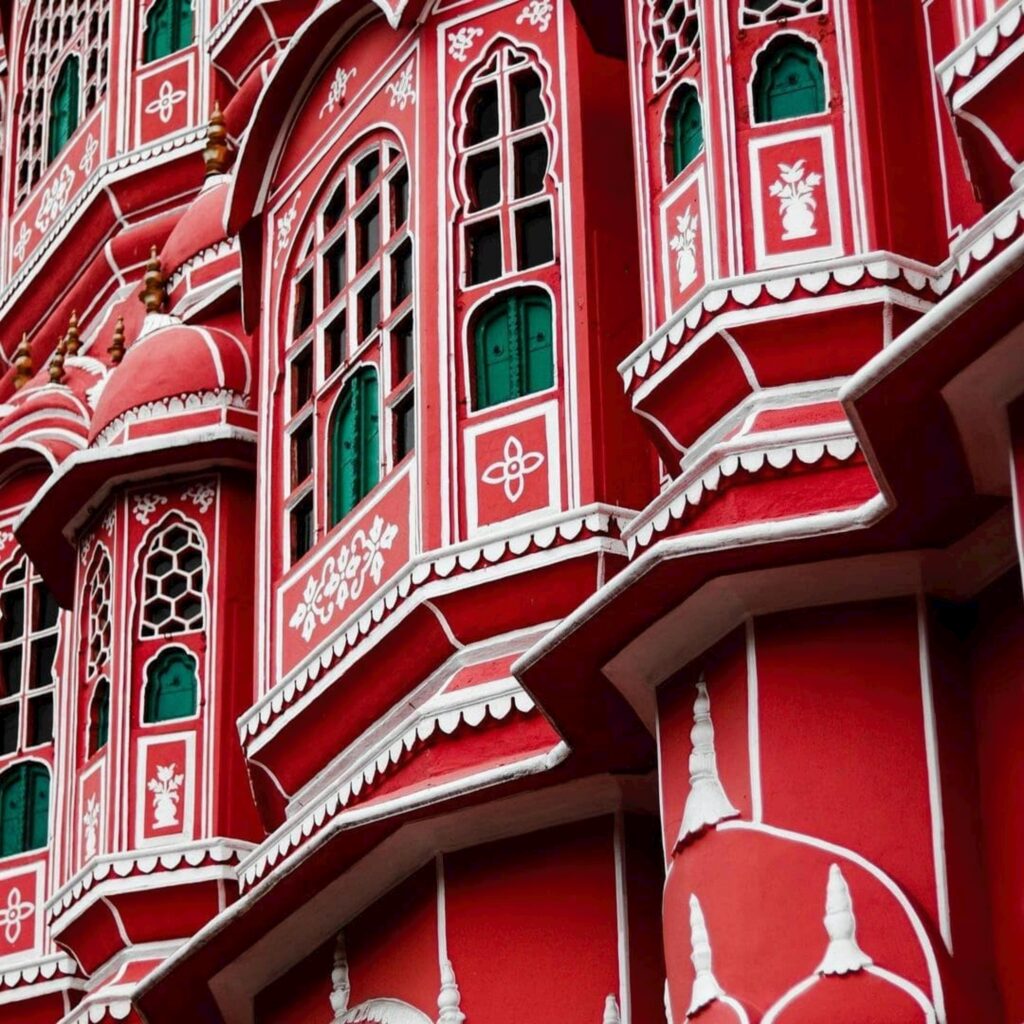
The honeycomb structure of the building not only had aesthetic value but was functional as well. Every window was intricately carved to provide air movement and privacy at the same time. It was this architecture that gave its name, ‘Palace of Winds.’
While learning about mahal, it cannot be ignored that the honeycomb façade of this architecture is the most identifiable feature of the architecture itself. Such identifiability plays an important role in making it a worldwide tourist attraction.
2.Historical Significance and Royal Background<a href
It was built by Maharaja Sawai Pratap Singh, a ruler belonging to Kachhwaha Rajputras, in 1799.
This historical monument is a replica of the Lord Krishna crown, symbolizing the devotion and love for art of the ruler. The history behind the mahal throws light upon the royal life, traditions, and customs.
Contrary to conventional palaces, did not act as a means of defending oneself or carrying out administrative work. Rather, it acted as an extension of City Palace, enabling women from royal families to view festivities, processions, and daily activities on the street.
This particular aspect of mahal draws reference to societal norms of such periods, particularly the custom of ‘purdah.’
To appreciate information on mahal, one has to note that this monument is a bridge between royal and public life culture. Significance in history increases importance as a tourist site at heritage Jaipur.
Purpose Behind the Construction of Hawa Mahal
Chiefly, the main aim of hawa mahal construction was to enable the royal women to view the outside world while maintaining strict seclusion. As is customary among the Rajput royal family, royal women were forbidden to be in public.
The architecture: This was an architectural solution developed in response to social needs. This was seen in the latticework windows of Mahal. These windows provided an opportunity to see from inside, but it was not possible for anyone from outside to view from inside.
This distinct function ofmahal goes beyond what is merely aesthetic about this architectural site.
It signifies social and gender histories of that era. It is a place of aesthetic significance that provides visitors with information on royal traditions and architectural advancements.
The Architectural Style and Design of Hawa Mahal
The architectural styles used in hawa mahal are a combination of ‘Rajput’ and ‘Mughal.’ The site is made up of red and pink sandstones and is an apt reflection of ‘Pink City.’ The fact that mahal is a structure that lacks a sturdy foundation is a characteristic that differentiates it from other historical structures. The structure is stabilized by ‘curves.’
The arches, flowers, and lattice work tend towards Rajput style, whereas the domes and symmetrical pattern reveal their Mughal influence. Each component has its role in bringing about harmony to this historic monument.
Talking about the architecture related to hawa mahal, the lightness of the structure and the detailed work done on it have been given prime attention. This adds to the fame of this work of art and also makes it a popular tourist site.
Cooling Effect and Scientific Design of Hawa Mahal
One of the most amazing and least known things about hawa mahal is its intelligent cooling system.
It was erected towards the end of the 18th century, and it not only proved a visual treat but a functional design of architecture suited to the extreme climate of Jaipur, where Rajasthan is renowned for its extreme climate, where summers can reach temperatures above 45 °C (113 °F). The design of mahal took it upon itself to keep its interiors cool and comfortable enough for its royal inhabitants.
The main method of cooling hawa mahal is through its unique façade. This consists of 953 small windows known as jharokhas. This façade takes the form of a honeycomb and facilitates airflow constantly.
Through this method of ventilation, there is a Venturi effect that results from the rushing of the wind into the palace through the small windows, which results in a cooling effect. This method of ventilation allowed the princesses to sit comfortably and watch the street life without getting affected by the scorching sun of the deserts.
While learning about themahal, one observes that its cooling design is far from accidental. Each window, lattice screen, and open balcony was placed in such a way as to create the most air flow with the least possible heating.
The lattice work, besides being an exquisite example of stonework, also filtered the sunlight, preventing it from entering interior spaces. This is one example where the design of the mahal has mastered the three disparate qualities of design, privacy, and intelligence.
The clever use of red and pink sandstone helped to achieve this cooling effect. It is to be noted here that stone is actually a material that has thermal mass, meaning that it is able to absorb heat during daytime and release the heat slowly when the night is cooler.
Another aspect of the architecture of hawa mahal is its use of thick walls, which helped to build a natural cooling effect inside the monument to maintain a moderate temperature.
The corridors, balconies, and open platforms inside the mahal also served the purpose of enhancing the airflow. The narrow corridors and stairs helped to allow the airflow inside the building easily.
The positioning of the balconies at different levels also helped the wind to reach the top floors of the building, so the whole building could enjoy the natural airflow. All this planning demonstrates the sophistication of the people who designed the hawa mahal.
The scientific approach taken when designing hawa mahal was not only practical but had an implied meaning of innovation and creativity as well. The designers were able to integrate social demands and environmental factors, like providing privacy for royal women.
Visitors to mahal today can feel the coolness inside despite the hot temperatures outside in the desert.
As a tourist site, hawa mahal’s cooling system is an added advantage to tourists. By taking a walk through its corridors or admiring its exterior, they get to learn about the ways in which ancient architectural designs handled issues related to the climate. It is an informative monument with valuable lessons on sustainable architectural designs created centuries ago.
The cooling system design of mahal is also responsible for its fame as a masterpiece of architecture.
The effects of light, cool breeze, and shadow on its facade not only result in comfort but with every changing phase of light and shadow, it offers a dynamic experience too.
The jharokhas provide light to enter, which creates beautiful patterns on the walls inside, blending perfectly the concepts of science and art together, making it completely distinct to define hawa mahal’s excellence and making it one of Jaipur’s most revered tourist spots.
In the end, the cooling function and scientifically designed features of hawa mahal are the embodiment of the ingenuity of traditional Indian architecture. The monument is a reflection of how planning, adaptation, and aesthetic aspects can come together in perfect harmony.
As one studies hawa mahal, this aspect of the monument brings forward its relevant and continued admiration of being one of the topmost attractions of Rajasthan.
Hawa Mahal as a Major Tourist Destination Today
In the current age, hawa mahal has now become one of the most iconic heritage sites within the boundaries of India and is synonymous with the city of Jaipur.
Its distinct architectural features and strategic location have transformed it into an internationally recognized holiday destination. People from across the globe have been attracted to mahal not only because of its aesthetic value but due to the rich history it carries with it.
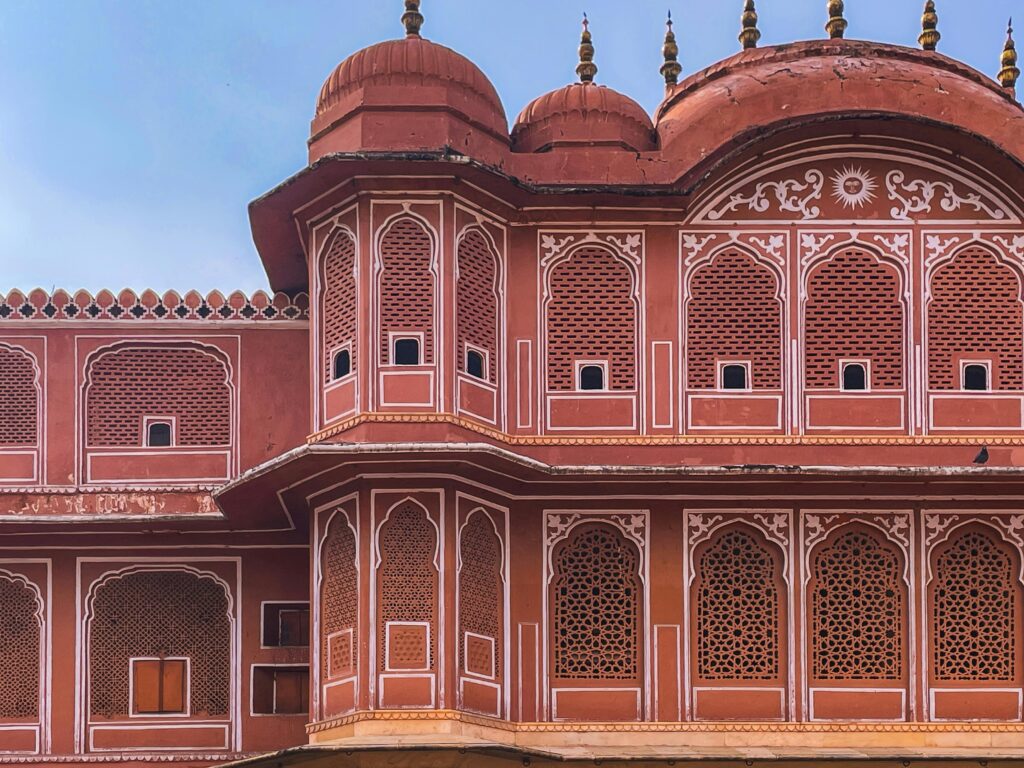
Accessibility is one of the factors for hawa mahal being a famous tourist site. Hawa mahal is located on one of the busiest roads in the city of Jaipur.
Even from a distance, the building stands out owing to the striking design of the honeycomb pattern and the numerous windows on the facade. This design leaves an immediate impression on the onlooker to differentiate mahal from other structures standing in the city.
While learning about hawa mahal, one becomes aware of its significance in the tourism circuits of Jaipur. The building is a significant component of the historical environment of Jaipur, historically associated with other significant spots like City Palace and Jantar Mantar. This allows a visitor to notice how architecture is a significant continuum of its royal past.
Within the monument, hawa mahal gives its visitors a complex experience. This is because the interior of the monument contains passages that are narrow and so short that one has to walk up and down in order to reach the next floor using their stairs and also contains balconies that are open. This gives visitors an opportunity to view various aspects of the city.
The higher levels in hawa mahal provide sightseeing opportunities in Jaipur. These sightseeing platforms help in taking in the views of bazaars, streets, and other monuments in Jaipur.
It helps in maintaining its observed purpose as mahal was anticipated. Thus, this helps in keeping the authenticity as a tourist site.
Another critical dimension of the contemporary identity of hawa mahal, as a tourist site, is the availability of interpretive centers and museum areas.
Such areas introduce the visitors to the historical and cultural aspects associated with mahal. They contain mini paintings, pieces of history, and information that are crucial in acquainting visitors with the monument’s history.
The beauty of hawa mahal is another factor that has contributed to its popularity. The light and shade effects on the palace are ever-changing and offer a fascinating sight to the tourists coming to the palace.
The pink sandstone looks wonderful when the rising sun shines on the palace in the mornings, and the evening light brings out the depth of the windows and carvings of the hawa mahal. This makes it one of the most photographed sites in India.
Relevance to culture:
This is one of the factors that further enhances the importance of the hawa mahal monument in tourism.
It is often mentioned in tourism literature, research works, and pictorial programs, which maintains its symbolical importance. It symbolizes the identity of the ‘Pink City of Jaipur.’
Economic and cultural factors make hawa mahal an important aspect of heritage tourism in the state of Rajasthan.
The role of hawa mahal as a destination for tourists helps promote awareness and education concerning culture and history. The continued attraction to hawa mahal symbolizes how history is conveyed by architecture in an intriguing and significant way.
Preservation and management strategies are implemented to ensure that hawa mahal is able to handle large crowds.
This is carried out through controlled access, maintenance, and restoration of the monument. The strategy makes it possible for the monument to preserve its authenticity while maintaining its purpose as a popular tourist destination.
In conclusion, the transformation of hawa mahal from a historical monument into a modern tourist destination has not compromised its historical value.
Rather, it has helped increase awareness about hawa mahal and its significance as an architectural, cultural, and social monumental landmark. mahal still acts as a link between the historical era and the current era.
Best Time to Visit and Visitor Experience
The ideal period to visit hawa mahal would be the cooler months when the architectural details of this famous structure could be enjoyed to the fullest. The early mornings would offer a soft light to the building’s façade, which would be a treat to the eyes, and the evenings would enable the visitor to enjoy the cityscape lights.
Le anexo le danorks corridos estrechos, Rutas de escalonadas, y balcón de vistas. Cada comedor da un contrario de la ciudad u ornamento.
Learning about Hawa Mahal from firsthand experiences helps visitors have an insight into the purpose, architecture, and significance of Mahal. This increases its position in the market as the most preferred destination for tourism.
Architectural and Cultural Importance of Hawa Mahal
Hawa Mahal is of immense importance from the viewpoint of architecture and its cultural significance, as it is considered the embodiment of the royal legacy of Jaipur.
This monument shows how architecture responded to social habits, climate problems, and aesthetic requirements. This architectural style and design can be traced to later structures that exhibited similar designs in their ventilation and aesthetic aspects.
As a heritage tourism site, mahal continues to educate tourists on traditional Indian architecture and royal culture.
Hawa Mahal in Contemporary Tourism and Conservation Strategies
Conservation measures are undertaken to ensure that hawa mahal maintains its originality while managing the swelling tourist traffic. Conservation of mahal involves restoring its facade, promoting structural stability, and maintaining its original materials.
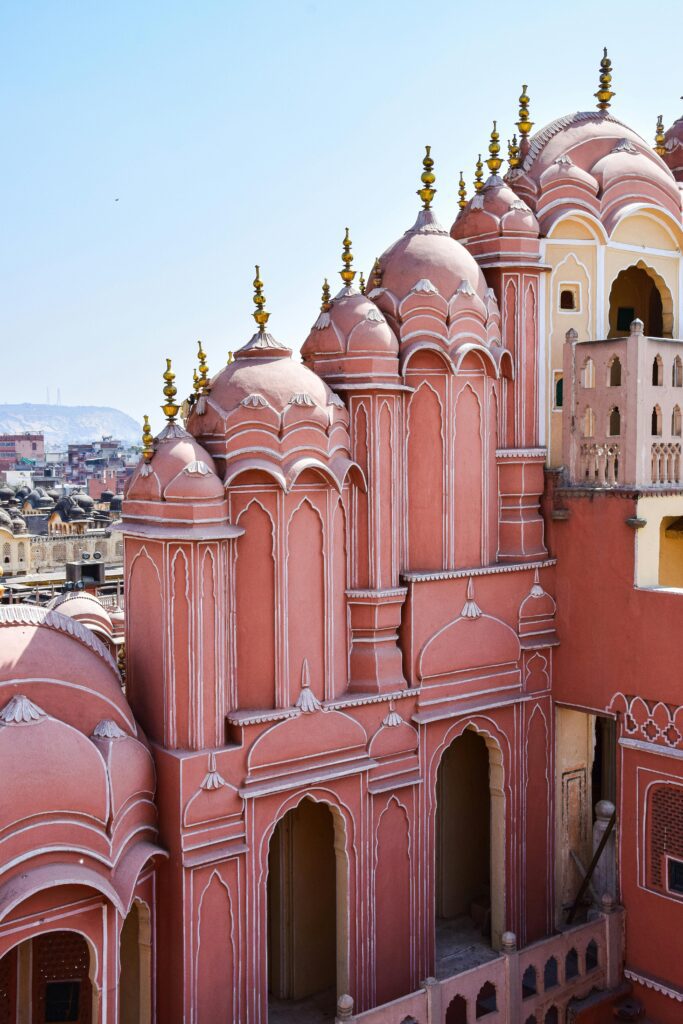
Contemporary tourism management practices strike a balance between accessibility and conservation. This aims to preserve the historical integrity of the site and its status as one of the most sought-after tourist destinations.
The maintenance of mahal is important because this ensures that people in the future are educated about mahal as it is.
Conclusion
Hawa Mahal is a symbol that represents the unique architectural heritage of India and is recognized as one of the most distinctive and significant architectural structures in the country.
It is more than just an aesthetic or beautiful architectural structure; mahal is the perfect example of the strategic combination of design, culture, and values that existed within the lives of the royals in Rajasthan.
As one becomes aware of information regarding mahal, it becomes apparent how this monument was never designed to function as an ordinary palace building but rather as an expertly designed architectural façade, echoing the values and customs of the Rajput period in which it was erected.
The reason for building mahal points towards the social context in which it was made, specifically the place of women and the relevance of privacy in this culture and period.
The brilliance of its design as a monument lies in its sensitivity towards the environment. The design comprising a honeycomb structure adorned by 953 windows enables effective airflow, a consequence of which is the natural cooling effect, especially during the scorching heat of summer.
This design shows immense knowledge about the need for environment-friendly design, much before the advent of modern designs.
This makes it all the more celebrated as an architectural wonder. Culturally, mahal is an important part of Jaipur’s history.
It is an embodiment of royal sophistication and Jaipur’s status as the Pink City. This is because mahal is made from red and pink sandstone, which ties it up with the architectural backdrop of Jaipur. mahal has become a symbol of Rajasthan’s artistic heritage.
In today’s world, hawa mahal is doing well as a world-famous tourist site. The proximity of mahal to other sites, its historical value, and its distinct features make it a popular site for tourists from different backgrounds.
The structural preservation of the site and its well-designed areas enable visitors to experience its history while taking in its structural designs.
This site is therefore doing well by retaining its hawa mahal nature. In the end, what makes mahal so remarkable is its tribute to the ingenuity and creativity that was prevalent in Indian architecture of yore.
It is an indicator of how buildings and structures were planned and conceptualized in order to meet certain cultural and aesthetic demands and necessities. mahal is an iconic symbol of Jaipur’s rich history and its royal heritage.
73betapp, eh? Snagged the app myself. Simple interface and it’s working very nice for me. Have a looksie yourself 73betapp.