
Table of Contents
Introduction to Kamleshwar Mahadev
Kamleshwar Mahadev is one of the most spiritually significant and historically rich Shiva temples in Rajasthan.
Known for its serene environment, deep mythological roots, and remarkable ancient aritechure,it attracts devotees, historians, and heritage enthusiasts alike.
This sacred site is not merely a place of worship but a living symbol of India’s ancient religious traditions and architectural excellence.
The name of temple is deeply associated with Lord Shiva, who is worshipped here in the form of a powerful Shivling.
Surrounded by natural beauty and spiritual silence, this ancient temple holds immense importance for devotees seeking peace, blessings, and spiritual awakening. The presence of traditional stone carvings and temple design reflects the mastery of ancient aritechure that continues to inspire scholars and architects today.
It stands as a bridge between mythology, history, and sacred aritechure, making it a timeless spiritual landmark.
The Mythological Origins of Kamleshwar Mahadev
The mythological roots of temple go back to Hindu scriptures and local legends passed down through generations.
According to ancient beliefs, this sacred temple was established at a site where Lord Shiva manifested his divine energy to protect devotees and restore cosmic balance.
It is believed that sages performed intense penance at the location of Kamleshwar Mahadev, pleasing Lord Shiva, who then appeared and blessed the land.
The Shivling at Kamleshwar Mahadev is considered self-manifested, adding to its spiritual power and ancient significance.
Such beliefs firmly place Kamleshwar Mahadev among the most revered ancient Shiva temples of the region.
Local folklore narrates that worship at Mahadev removes obstacles and grants inner strength. These mythological associations give the temple an eternal identity rooted in ancient faith and sacred aritechure.
Historical Importance of Kamleshwar Mahadev Temple
The historical importance of Mahadev is closely tied to the evolution of regional dynasties and temple-building traditions. Historians believe that the temple dates back several centuries, possibly constructed during the early medieval period when Shiva worship flourished across Rajasthan.
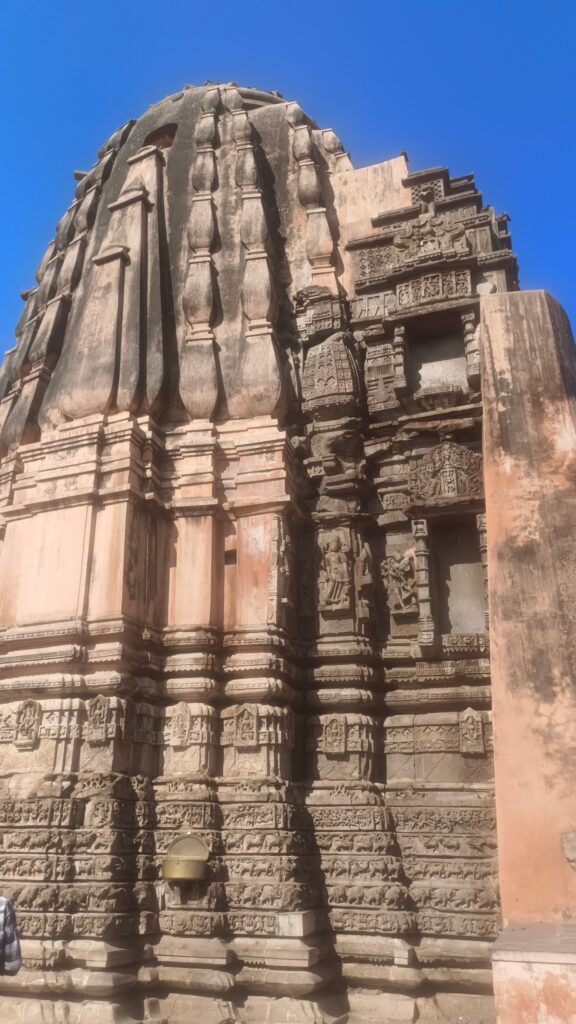
Ancient inscriptions and architectural patterns suggest that Kamleshwar Mahadev was patronized by local rulers who valued religious harmony and spiritual development.
The temple served as a central religious hub for nearby settlements, making it an integral part of ancient social life.
Over time, Mahadev survived invasions, natural wear, and political changes, yet retained its sacred essence. This continuity highlights the resilience of ancient temple aritechure and the unwavering devotion associated with Kamleshwar Mahadev.
Ancient Temple Architecture of Kamleshwar Mahadev
The most striking feature of Kamleshwar Mahadev is its ancient temple aritechure, which reflects traditional Hindu design principles. Built primarily using stone, the temple showcases structural simplicity combined with spiritual symbolism.
The sanctum sanctorum of Kamleshwar Mahadev houses the Shivling and is designed to focus energy inward, creating a meditative atmosphere.
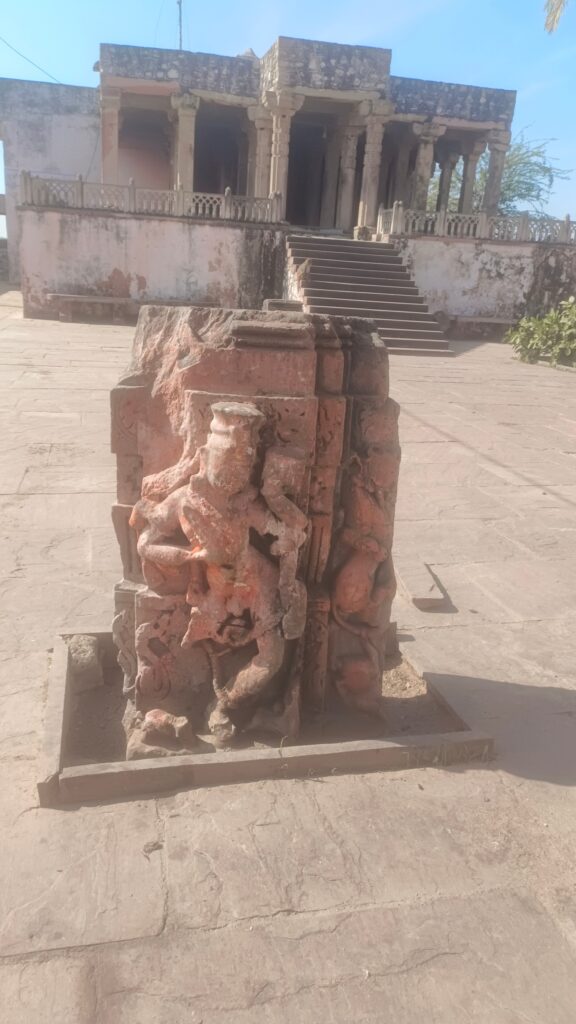
The temple walls are adorned with subtle carvings that represent mythological motifs and natural elements, common in ancient aritechure.
The alignment of temple with natural light and cardinal directions demonstrates the scientific understanding of ancient architects.
Every element of the temple—from pillars to pathways—serves both functional and spiritual purposes, proving that ancient aritechure was deeply rooted in cosmic harmony.
Spiritual Significance of Kamleshwar Mahadev
The spiritual significance of Kamleshwar Mahadev goes far beyond its physical structure, making it one of the most revered ancient Shiva temples in the region. Devotees believe that the presence of Lord Shiva at Kamleshwar Mahadev radiates powerful spiritual energy, capable of transforming inner consciousness and bringing mental clarity. This belief has been sustained for centuries, turning the temple into a sacred center of faith and devotion.
It is deeply associated with spiritual purification. Worshippers consider the temple a place where negative energies dissolve and inner peace is restored. The Shivling enshrined within the sanctum is regarded as highly potent, symbolizing cosmic balance and divine consciousness.
Such spiritual symbolism reflects ancient Hindu philosophy, where temples were designed as gateways between the physical and spiritual worlds.
The ancient aritechure of it plays a crucial role in enhancing its spiritual impact. The temple layout directs focus inward, encouraging silence, meditation, and self-reflection.
Ancient architects intentionally designed the sanctum to limit distractions, allowing devotees to connect deeply with Lord Shiva. This thoughtful integration of spirituality and aritechure demonstrates how ancient temple construction was aligned with metaphysical principles.
Daily rituals performed at it follow ancient traditions that have remained unchanged over time. Abhishekam, chanting of Vedic mantras, and offering of sacred items are believed to activate spiritual vibrations within the temple space.

These rituals strengthen the bond between devotees and the divine, reinforcing Kamleshwar Mahadev’s status as a powerful spiritual destination.
Another important aspect of the spiritual significance of Mahadev is its association with inner discipline and detachment. Lord Shiva, worshipped here, represents renunciation and supreme awareness.
Devotees often visit this ancient temple seeking guidance during challenging phases of life, believing that prayers offered at Kamleshwar Mahadev bring emotional stability and spiritual strength.
The temple’s serene environment further deepens its spiritual essence. Ancient belief systems emphasized harmony between nature and worship, and Kamleshwar Mahadev perfectly reflects this philosophy.
The quiet surroundings, combined with sacred aritechure, create an atmosphere that supports contemplation and spiritual awakening.
Many devotees experience a sense of timelessness while praying at Kamleshwar Mahadev, as if the boundaries between past and present dissolve.
Overall, the spiritual significance of Mahadev lies in its ability to connect devotees with ancient wisdom, divine energy, and inner peace.
It stands as a living embodiment of spiritual continuity, where ancient faith, ritual practices, and sacred aritechure come together to create a profound religious experience.
Natural Surroundings and Sacred Location
The natural surroundings of Kamleshwar Mahadev play a vital role in shaping its spiritual and cultural identity.
From ancient times, sacred temples were deliberately established in locations that enhanced spiritual awareness, and Mahadev is a perfect example of this timeless tradition.
The temple’s setting reflects the ancient belief that nature itself is a divine manifestation and an essential element of worship.
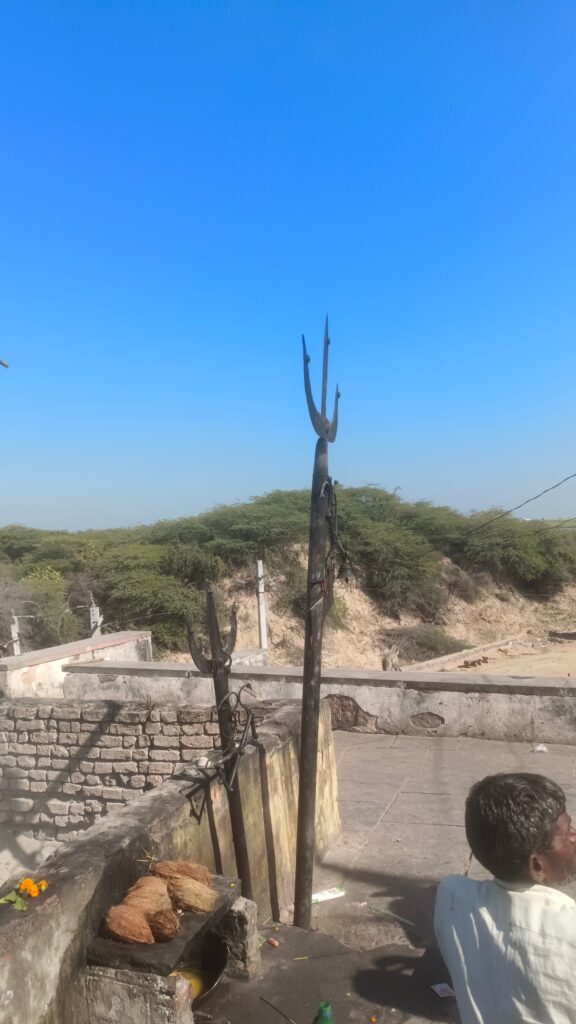
It is situated in a peaceful environment, away from the distractions of urban life. The calm atmosphere surrounding the temple allows devotees to experience silence, reflection, and inner balance.
Ancient sages believed that such locations amplified spiritual energy, making them ideal for meditation and penance. This philosophy continues to define the spiritual significance of Kamleshwar Mahadev today.
The sacred location of Kamleshwar Mahadev is often associated with natural elements such as open land, fresh air, and uninterrupted horizons. These elements contribute to the temple’s serene ambiance and enhance the spiritual impact of prayers offered here.
The connection between the temple and its environment demonstrates how ancient temple planning emphasized harmony between nature and sacred aritechure.
The ancient aritechure of Mahadev complements its natural surroundings rather than overpowering them.
Built using locally available stone and traditional construction methods, the temple blends seamlessly with its environment.
This approach reflects the wisdom of ancient builders who believed that temples should exist in balance with the natural world rather than dominate it.
Another important aspect of the temple’s location is its symbolic significance. Ancient Hindu traditions often linked sacred spaces to cosmic energy points, and it is believed to be positioned at such a spiritually charged site.
The temple’s orientation and placement reflect ancient knowledge of geography and spiritual science, reinforcing the sanctity of its location.
Seasonal changes further enhance the spiritual atmosphere of it. During cooler months, the gentle climate complements the calm surroundings, while warmer seasons highlight the resilience of the ancient structure.
These natural cycles remind devotees of the eternal rhythm of life, a concept deeply rooted in ancient philosophy.
Overall, the natural surroundings and sacred location of Mahadev form an inseparable part of its spiritual essence.
The union of peaceful landscapes, sacred geography, and ancient aritechure creates a powerful environment that nurtures devotion, meditation, and inner transformation.
It thus stands as a timeless example of how ancient temples were thoughtfully designed to exist in harmony with both nature and spirituality.
Festivals and Rituals Celebrated at Kamleshwar Mahadev
Festivals and rituals form the spiritual heartbeat of Kamleshwar Mahadev, preserving centuries-old traditions and reinforcing the temple’s sacred identity.
From ancient times, religious observances at Kamleshwar Mahadev have followed disciplined ritual practices rooted in Hindu scriptures. These ceremonies not only honor Lord Shiva but also sustain the spiritual continuity of this ancient temple.
The most significant festival celebrated at Kamleshwar Mahadev is Mahashivratri, which holds immense religious importance for Shiva devotees. On this sacred night, the temple becomes a center of intense devotion, with continuous chanting, prayers, and ritual offerings.
Ancient beliefs associate Mahashivratri with spiritual awakening, and rituals performed at during this festival are believed to carry exceptional spiritual power.
Daily worship rituals at Kamleshwar Mahadev follow ancient customs that have been maintained for generations.
These rituals typically include abhishekam of the Shivling using water, milk, and other sacred offerings. The recitation of Vedic mantras enhances the spiritual vibrations within the temple, creating an atmosphere deeply influenced by ancient religious discipline and sacred aritechure.
The month of Shravan holds special importance at Mahadev. During this period, devotees observe fasts and participate in extended prayer sessions.
Ancient scriptures emphasize Shravan as a spiritually powerful time for Shiva worship, and the temple’s sacred environment becomes even more vibrant. The rituals performed during this month reflect the continuity of ancient devotional practices.
Special ceremonies are also conducted on Mondays, which are traditionally dedicated to Lord Shiva.
These weekly observances strengthen the connection between devotees and Kamleshwar Mahadev, reinforcing the temple’s role as a spiritual center rooted in ancient faith.
The structured timing and symbolic elements of these rituals reflect the disciplined nature of ancient temple worship.
The sacred aritechure of Kamleshwar Mahadev enhances the ritual experience by channeling sound, light, and movement in a spiritually meaningful way.
Ancient temple design ensured that chants resonated within the sanctum, intensifying the devotional atmosphere. This thoughtful integration of aritechure and ritual practice highlights the advanced understanding of ancient temple planners.
Overall, the festivals and rituals celebrated at Kamleshwar Mahadev represent the living traditions of ancient spirituality.
Through disciplined worship, sacred observances, and preserved customs, Kamleshwar Mahadev continues to embody the essence of ancient religious life and timeless aritechure, maintaining its sacred relevance across generations.
Hidden Facts and Lesser-Known Secrets of Kamleshwar Mahadev
Despite its spiritual prominence, Kamleshwar Mahadev remains surrounded by several hidden facts and lesser-known secrets that add depth and mystery to its identity. These aspects, preserved through local traditions and oral histories, reveal how this ancient temple holds significance beyond its visible structure and commonly known narratives.
One of the most intriguing beliefs associated with Mahadev is that the temple is located on a spiritually charged site. Ancient traditions suggest that certain places possess heightened cosmic energy, making them ideal for worship and meditation.
The location of Mahadev is believed to align with such ancient spiritual principles, which explains the deep sense of calm and focus experienced by devotees.
Another lesser-known aspect of Kamleshwar Mahadev lies in its ancient aritechure. While the temple may appear structurally simple, closer observation reveals deliberate geometric proportions and symbolic alignment.
Ancient builders often incorporated sacred geometry into temple design, and Kamleshwar Mahadev reflects this practice through its layout and spatial orientation. These architectural choices were intended to enhance spiritual awareness rather than decorative appeal.
Local traditions also suggest that the Shivling at Kamleshwar Mahadev possesses self-manifested qualities, a belief commonly associated with powerful ancient Shiva temples.
Such Shivlings are considered especially sacred, as they are believed to embody divine energy without human intervention. This belief further elevates the spiritual status of Kamleshwar Mahadev among devotees.
Another hidden element is the continuity of ritual practices at Kamleshwar Mahadev. Despite historical changes in governance and social structures, the temple’s core rituals have remained largely unchanged.
This uninterrupted tradition reflects the strength of ancient religious systems and the respect given to sacred aritechure and worship methods.
Some historians believe that Kamleshwar Mahadev once functioned as a spiritual retreat for sages and ascetics.
The quiet surroundings and disciplined temple structure align with ancient practices of meditation and self-realization. Although physical evidence may be limited, these beliefs contribute to the temple’s spiritual mystique.
Overall, the hidden facts and lesser-known secrets of reinforce its identity as an ancient spiritual landmark.
The temple’s sacred location, symbolic aritechure, and enduring traditions collectively reflect a depth that goes beyond visible history.
Kamleshwar Mahadev continues to stand as a silent witness to ancient wisdom, spiritual discipline, and timeless religious expression preserved through centuries.
How to Reach Kamleshwar Mahadev Temple
Kamleshwar Mahadev is accessible by road from nearby towns and cities. The journey itself offers scenic views, enhancing the spiritual anticipation of visiting this ancient temple.
Traditional pilgrimage routes reflect how devotees traveled in ancient times, emphasizing the temple’s long-standing connection to regional culture and movement. The accessibility of Mahadev ensures its continued relevance in modern spiritual journeys.
Best Time to Visit Kamleshwar Mahadev
The best time to visit Kamleshwar Mahadev is during cooler months, when the climate complements the serene temple environment. Festivals also offer a unique opportunity to witness ancient rituals in their full spiritual expression.
Seasonal changes highlight the temple’s harmony with nature, a core principle of ancient aritechure. Each visit during different times of the year offers a distinct spiritual experience.
Cultural and Religious Importance of Kamleshwar Mahadev Today
In the present era, Kamleshwar Mahadev continues to serve as a symbol of cultural continuity. The temple represents the preservation of ancient traditions in a rapidly modernizing world.
Religious scholars and devotees regard Kamleshwar Mahadev as a living heritage site, where ancient aritechure and spiritual practices remain intact. The temple contributes significantly to regional identity and religious awareness.
Conclusion: Why Kamleshwar Mahadev Is a Timeless Ancient Temple
Kamleshwar Mahadev stands as a timeless symbol of spiritual devotion, historical continuity, and ancient architectural wisdom.
More than just a place of worship,it represents the enduring connection between humanity and divinity that has survived across centuries. The temple’s sacred presence reflects how ancient belief systems were deeply rooted in nature, cosmic balance, and disciplined spiritual practices.
The mythological, historical, and cultural layers of Kamleshwar Mahadev blend seamlessly, giving the temple a unique identity among ancient Shiva shrines.
From its legendary origins to its role in regional religious life, Kamleshwar Mahadev has remained a constant spiritual anchor for generations.
The uninterrupted worship at this site strengthens its status as a living ancient temple rather than a forgotten relic of the past.
One of the most remarkable aspects of Mahadev is its ancient aritechure, which demonstrates the advanced understanding of space, energy flow, and symbolism possessed by early temple builders.
Every structural element, from the sanctum to the stone pathways, reflects a thoughtful integration of spirituality and design. This aritechure was not created merely for visual appeal but to elevate the spiritual experience of devotees through harmony, proportion, and sacred geometry.
The natural surroundings of Mahadev further enhance its divine aura. Ancient temples were often built in locations chosen for their spiritual vibrations, and Kamleshwar Mahadev is no exception.
The calm environment, combined with the sacred aritechure, creates a powerful atmosphere conducive to meditation, prayer, and inner reflection. This balance between nature and structure highlights the wisdom of ancient temple planning.
Culturally, Mahadev continues to play an essential role in preserving religious traditions and local identity.
Festivals, rituals, and daily worship practices connect the present generation with ancient customs, ensuring that spiritual knowledge and values are passed forward. The temple serves as a reminder that ancient faith and aritechure still hold relevance in modern times.
In essence, Kamleshwar Mahadev is not only an ancient religious site but a testament to India’s enduring spiritual heritage.
Its sacred energy, historical depth, and architectural brilliance collectively affirm its place as a timeless monument of devotion.
Kamleshwar Mahadev continues to inspire reverence, reflection, and respect, standing firm as a powerful symbol of ancient spirituality and aritechure that transcends time.