
Table of Contents
Introduction to Kota Barrage
Kota Barrage: This barrage holds immense significance when considering the management of water in the state of Rajasthan and also plays a critical part in controlling the flow of the Chambal River.
This barrage is located near the Kota city and forms a vital part of the Chambal Valley Project. Over the years, Kota Barrage has proven to be the backbone of the state’s modern irrigation and water management system.
The strategic significance of the Kota Barrage is its capacity to distribute the water efficiently in the Hadoti area.
It is not like other dams that are only used for the storage of water; the significance of the Kota Barrage is that it is a controlling structure that helps in the regulation of the river’s flow, and the water is then supplied through a vast canal system.
Moreover, the Kota Barrage is worth noting in the context of the colonial era’s irrigation development in the region.
It was constructed in the early 19th century, and the significance of its presence is that it
Apart from irrigation, Kota Barrage has an indirect role in terms of generating hydroelectricity. The barrage helps in maintaining the flow of water, and this is an important requirement for generating hydropower.
This implies that Kota Barrage has much more importance than a simple structure or dam and serves as an important part of Rajasthan’s overall irrigation system.
Historical background of the Kota Barrage
The emergence of the Kota Barrage is also connected to the post-independence efforts of the country to pursue large-scale irrigation projects for water management.
Once the country attained its independence, it became a matter of national significance to address the irrigation and flood control needs of the regions that receive seasonal river flows.
The Chambal River was also prone to severe currents and unexpected floods.
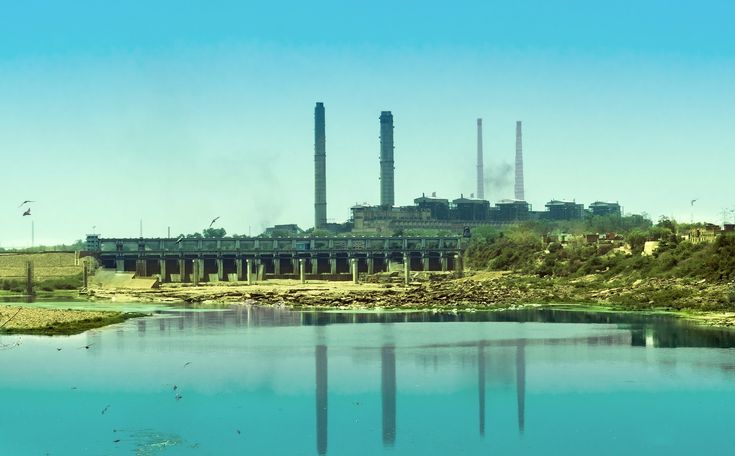
The construction work of Kota Barrage began in the Chambal Valley Project, a multi-purpose project launched jointly by the states of Rajasthan and Madhya Pradesh.
The main object of this project has been the utilization of the Chambal River for irrigation purposes and the control of floods. The main aim of this project has been the generation of electricity.
Kota Barrage has a historical significance in that it brought a paradigm shift in the Hadoti region.
Prior to the construction of Kota Barrage, agriculture in the region was monsoon-dependent. With a regulated water system, it is possible to cultivate different crops in varying seasons.
As a result, Kota Barrage is today a landmark in proper water resource management in the state of Rajasthan.
Geographical Location and Structure
Location can significantly
The Kota Barrage is located on the Chambal River in the vicinity of the city of Kota in southeastern Rajasthan.
The strategic position of the barrage, with the Chambal River flowing through gorges before entering the plain, makes it efficient in controlling the discharge of the river and diverting the water into the irrigated channels.
The structural aspect of Kota Barrage is composed of several gated spans that control the flow of water according to the need that varies with seasons.
During the monsoon season, the overflow of water is carefully regulated to avoid flooding, and in the case of arid seasons, the water is stored to meet irrigation and domestic demand.
This makes Kota Barrage a vital part of the water supply system in the Indian state of Rajasthan.
The engineering design is also compatible with hydroelectricity projects. Though the Kota Barrage is not a large-scale power-generating source, it assists in the generation of hydropower by facilitating constant discharge into the downstream.
This blending of irrigation and power generation purposes Representative Introduction
Role of Kota Barrage in Irrigation
The greatest and most enduring impact of the Kota Barrage is its role in improving irrigation in southeast Rajasthan as a whole.
The barrage is a key part of the Chambal Valley Project and serves as a critical diversion dyke, distributing the flow of rivers into a huge canal system.
This irrigation system has transformed farming in the entire Hadoti region and provides water security over a long period of time.
“Transformation of Agriculture in the Hadoti Region”
In the article “
Prior to the construction of Kota Barrage, monsoon-based irrigation remained a major source of irrigation for the Hadoti region.
However, irregular rainfall resulted in crop failures, reduced crop production, and economic uncertainty for the farmer.
The regular supply of irrigation water by a controlled water source in Kota Barrage improved predictability and regularity associated with crop production.
With irrigation assured, farmers were now in a position to change over from single crop to multi-crop agriculture.
Even crops like wheat, mustard, soybean, pulses, and fodder crops became economically viable. Such an agrarian shift had contributed immensely towards upgraded productivity for Kota, Bundi, Baran, and Jhalawar districts.
Canal Network and Water Distribution
A canal network
The Kota Barrage is responsible for supplying water to a vast system of primary canals, branch canals, and distributaries aimed at distributing water effectively to farmlands. Such a canal system allows for equitable distribution of water, thus stopping water extraction along the way.
The controlled release of water from the barrage helps irrigation authorities adjust the water supply depending on the season. When it is dry season, water from the storage is released slowly.
On the other hand, during monsoons, the excess water is diverted in a safe manner. Such water management shows how effective the Kota Barrage is to Rajasthan.
Multiple Cropping Seasons Support
Irrigation made possible by the Kota Barrage helps the farmer grow Rabi as well as Kharif crops with full assurance.
The availability of water helps mitigate reliance on rains, resulting in less tension related to agricultural activities, thereby making farming unaffected by climatic changes.
This has led to diversification and increased soil fertility as a result of the irrigation cycles. The positive long-term effects of the Kota Barrage on irrigation are indicative of the significance of irrigation through infrastructure development.
Water Conservation and Resources Management
Water efficiency is a major characteristic that marks the irrigation system associated with the Kota Barrage.
Canal lining, controlled discharge, and time-based irrigation schedules help prevent seepage and evaporation losses. This is crucial in boosting the efficiency level associated with the water resource usage system.
The barrage optimizes water distribution. The effect is that the pressure on the groundwater in the region is reduced. This makes the region sustainable in terms of agricultural production.
Economic and Rural Development Impact
Despite facing various challenges
The benefit of irrigation offered by the Kota Barrage does not only benefit agriculture but has various ramifications in the field of economic development as well.
This is due to the increased crop production leading to greater revenues and subsequently leading to the development of related sectors.
The complementarity between irrigation and hydroelectricity production adds to the development of this region as well.
The barrage’s role remains primarily for irrigation support; however, its controlled release also indirectly adds to the production of energy downstream.
Resilience Against Drought and Climate Variability
One of its most important functions is its ability to reduce the effects of droughts. When there are periods of below-normal rainfall in a certain region, the water in the barrage guarantees a minimum level of irrigation.
This has become very much relevant in the face of alterations in climate conditions.
Having an irrigational source like Kota Barrage has improved food security and resilience for farmers. Kota Barrage can be seen as a stabilizing factor for crops in Rajasthan.
Irrigation and the Supportive Role of Setu Sagara Setu Sagara
Thus, it can be concluded that the role of the irrigation system at Kota Barrage is one of the most significant and beneficial roles offered by the barrage.
By means of the water supply through a network of canals, the barrage has improved agriculture in Southeastern Rajasthan.
Its involvement in overall planning of water resources, in addition to indirect play in the development of hydroelectric power, portrays a comprehensive approach in resource management.
Continued irrigation benefits of Kota Barrage influence the future of agriculture, economy, and the environment in the region.
Contribution to Hydroelectricity Generation
Though the main purpose of the Kota Barrage is irrigation and water control, its contribution to the development of hydroelectric power is very important.
The barrage functionally complements a series of upstream dams and hydel power stations in the Chambal Valley Project.
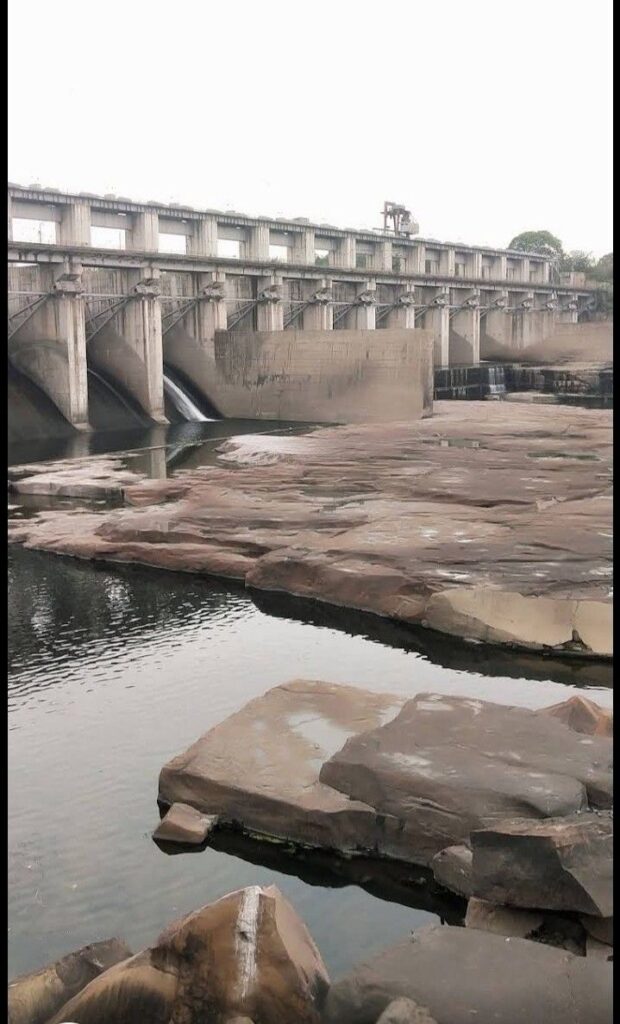
The generation of hydroelectricity requires a constant and controlled discharge of water. The Kota Barrage ensures that there is a constant flow of water in the Chambal River.
During the monsoon seasons, during which there is an excess flow of water, it is released in an organized manner.
In the lean seasons, the water that has been stored is used to ensure there is constant flow.
Thus, this integrated system helps achieve optimal performance by hydropower stations without harming irrigation requirements.
Through its support for renewable energy sources, Kota Barrage contributes to a sustainable water sector that maintains a balance between agricultural growth and guaranteed energy in Rajasthan.
Benefits for Flood Control and Water Management
Kota Barrage is an extremely important part of flood control and water resource management in the Chambal River.
The Chambal River, with strong currents and variations in water levels, results in flood conditions during the monsoon season every year.
The technical design of the barrage helps in controlling the water release, which safeguards agricultural areas, settlements, and urban areas downstream.
The regulation and management of floods and the associated risks
One of the major purposes of Kota Barrage is flood control. When monsoon rains occur, an increase in the level of water in the rivers results in floodwater, thus affecting the banks of the rivers and surrounding areas.
The construction of the Kota Barrage has ensured that water is released from the river at a controlled manner, thus ensuring that floodwater does not cause destruction to agriculture, buildings, and properties.
The flood control aspect of Kota Barrage is one of the most important features regarding water resource management in the state of Rajasthan.
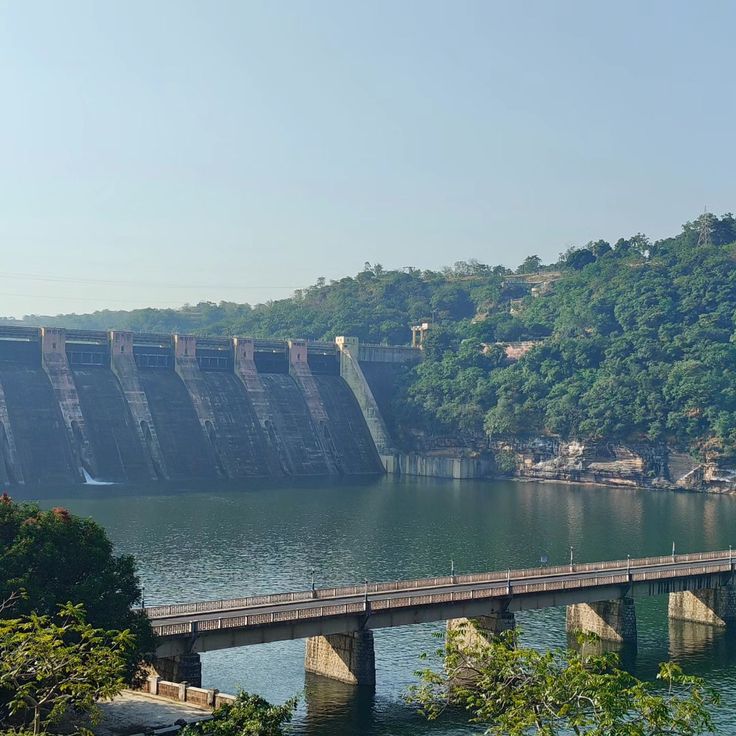
The purpose of this management is to ensure a balance between the natural flow of the river and settlements of humans.
Effective Storage and Release of Water
Besides the flood control role, the role of Kota Barrage also includes acting as a point of regulation and water storage for the Chambal Valley area.
The barrage helps in the regulation of excess water during high inflow stages and then releases it for use during low-flow stages of rivers in the region.
Water regulation capacity is an imperative for having a reliable water system. By harmonizing the river inflows to meet seasonal demands, Kota Barrage ensures that water resources are fully tapped without wastage of water, an important factor for Rajasthan, being a semi-arid state.
Support for Downstream Hydroelectricity
Water resource management by the Kota Barrage likewise has an indirect role in the production of hydroelectricity.
A hydropower station requires a constant flow rate in the river in order for it to generate more electricity. Any variation in the river discharge could cause a lack of efficiency in the production of electricity.
This complementarity of flood control, irrigation, and hydropower is what shows how well integrated a system Chambal Valley is, with the focus being on Kota Barrage.
Protection of Agricultural and Urban Areas
When floods occur, the impacts can be very disastrous in agricultural areas as well as in urban settlements. Through water regulation, the Kota barrage protects agricultural land from flood intrusion. Additionally, the structure protects the city of Kota and other nearby settlements from flood water overflow.
The amalgamation of flood regulation and water distribution is useful for making the region resilient to disasters related to natural resources. This is because the initiative will ensure the rural and urban areas have favorable water supplies.
Ecological and Environmental Balance
The flood control aspect provided for the area by the construction of the Kota Barrage is environmentally significant.
The controlled water release helps avoid any flush flow that might give rise to soil erosion along the banks and destroy vegetation.
Furthermore, the regular flow of water in the barrage is beneficial to the wetland ecosystem. The flow of water in the barrage helps the wetland ecosystem, as the wetlands receive water seasonally through the flooding process.
Long-Term Water Management and Sustainability
Goals
The flood control and water management aspect of the Kota Barrage is a model of sustainable management of a river in the region of Rajasthan.
Through its combination of irrigation, hydropower production, and flood control measures, the barrage enables the optimal use of water without undermining its ecological status. This makes the system surrounding the river sustainable.
Environmental and Ecological Importance
The presence of Kota Barrage has had a certain effect on the environmental and ecological conditions existing in and around the Chambal River.
By maintaining a regulated flow of water, Kota Barrage ensures the aquatic environment and the riverine ecosystem are stable.
The water released during the season satisfies the needs of aquatic life and vegetation.
The regulated water system also prevents erosion and sedimentation to some extent, which otherwise impacts riverine ecosystems. By maintaining a balance in the river, Kota Barrage is supporting ecologies despite their requirements.
At the same time, the water released from the barrage helps wetlands and floodplains downstream, thus increasing the diversity of flora and fauna in the environment.
This is proof that effective water management and the protection of the environment are not mutually exclusive concepts.
Kota Barrage Scenic Site and Urban Monument
With time, Kota Barrage has transcended its original purpose of being an engineering water-regulating device to become one of the major scenic landmarks of Kota.
Nicely situated across the Chambal River, Kota Barrage creates an outstanding sight that has come to characterize the riverfront of Kota.
With its array of gates, flowing water, and topography, this location provides an exquisite synthesis of engineering accuracy and nature.
Visual Interest & Landscape Along Riverfronts
The scenic beauty of Kota Barrage is because of its association with the Chambal River. Depending upon the time of the year that one is visiting this place, the view of the barrage differs vastly.
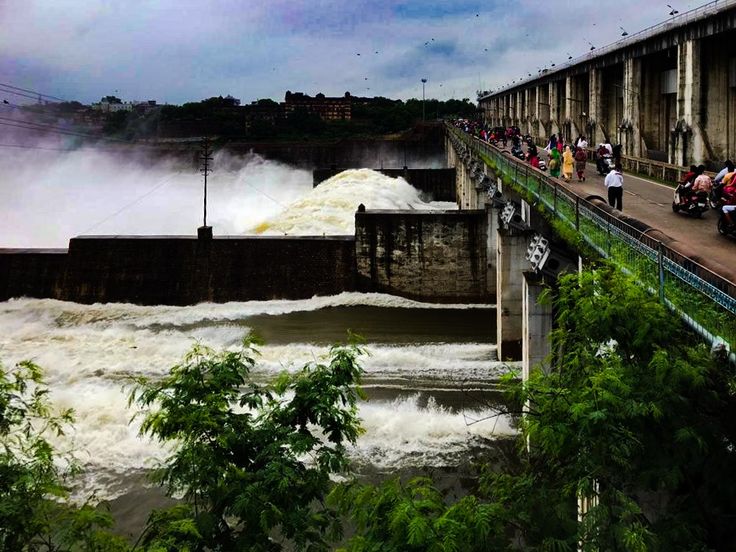
In the monsoon season, the sight of water rushing out of several gates of the barrage provides a spectacular view to the visitors.
In other seasons when there are fewer rivers and many lakes, the view of the flowing river along with its reflection in the surrounding green areas provides an exquisite beauty to this place.
The regulated water supply also maintains a regular river flow, which serves as a means to ensure that the landscape balance on the riverfront area is consequently preserved.
A regular river flow helps avoid high and low levels, which in return maintains balanced riverbanks.
Urban Identity and Cityscape Integration
With Kota’s growth into a major education and commercial center, Kota Barrage has remained an important part of Kota’s identity.
The barrage acts as a natural demarcation point andlandmark around which the entire development of Kota has taken place.
The areas around Kota Barrage contain roads, viewpoints, and other public spaces.
The existence of the Kota Barrage proves that the presence of huge infrastructure projects will not affect the nature of the city even if they are situated within its boundaries because the barrage is hidden from the sight of the inhabitants.
lesi
Cultural and Social Significance
But aside from the engineering and design aspects, the Kota Barrage also has significance for the culture of the area, especially for the locals there.
There are stories about the Kota Barrage being connected to the daily lives of the communities surrounding the Chambal River.
The environment created at the riverfront areas in and around Kota Barrage is a place where people witness the change of seasons, right from the rise in water levels when monsoons are in season to a reduced flow during the winter seasons.
Night lighting and architectural presence
The cityscape was
Lighting in and around Kota Barrage in the evenings improves its architectural outlook.
Light reflection on the water body’s surface assures a peaceful visual aspect of the structure. Its role as a landmark in the city is thus validated, apart from being a utility structure.
The symmetrical design of the barrage gates and the flow of water are a testament to the accuracy of the engineering work that ensures the irrigation and hydroelectric power systems function properly in the downstream.
The construction is a symbol of how functionality and harmony can be achieved in infrastructure.
(Water Management)
Symbol of Modern
As a visible part of the planned irrigation system in Rajasthan, the Kota Barrage represents the modern way of managing rivers.
The presence of the structure on the Chambal River indicates the shift from the ancient ways of utilizing riverine resources to a holistic water management system. Such symbolic value promotes the community’s awareness about the management of water resources.
The continual functioning of the barrage helps in the development of the region without upsetting the ecological balance. City Icon with Ecological Equilibrium Despite the size of the structure, the environment around Kota Barrage remains in harmony and balance.
This is due to the fact that the regulated flow of water ensures the ecology of the river and minimizes riverbank erosion within the city of Kota.
Overall, Kota Barrage is a landmark that exemplifies the converging points of engineering success, environmental stewardship, and identity in a downtown or urban environment.
The aesthetic aspect of Kota Barrage on the banks of the Chambal River not only adds to the beauty of Kota but also confirms the significance of a properly maintained water body and hydroelectricity system.
9. Conclusion:
Importance of Kota Barrage in Water Resources in Rajasthan The Kota Barrage is one of the most significant water resources development schemes undertaken in Rajasthan and is providing long-term benefits in agricultural development, power production, flood control, and environmental equilibrium.
It is one of the most important components of the Chambal Valley Project. By constructing an irrigation system, Kota Barrage has improved agricultural production capacity and rural robustness.
Its promotion of hydroelectricity production supports the use of renewable sources of energy, in addition to protecting lives from flood hazards through flood control measures put in place by the barrage.
The managed water system, which is regulated by the barrage, distributes water equally in seasons. In short, Kota Barrage symbolizes balance between engineering, natural resource management, and regional development.
Its relevance to this day bears testimony to the importance of engineered water resource development systems for maintaining economic, natural resource, and social stability in Rajasthan.