
Table of Contents
Introduction
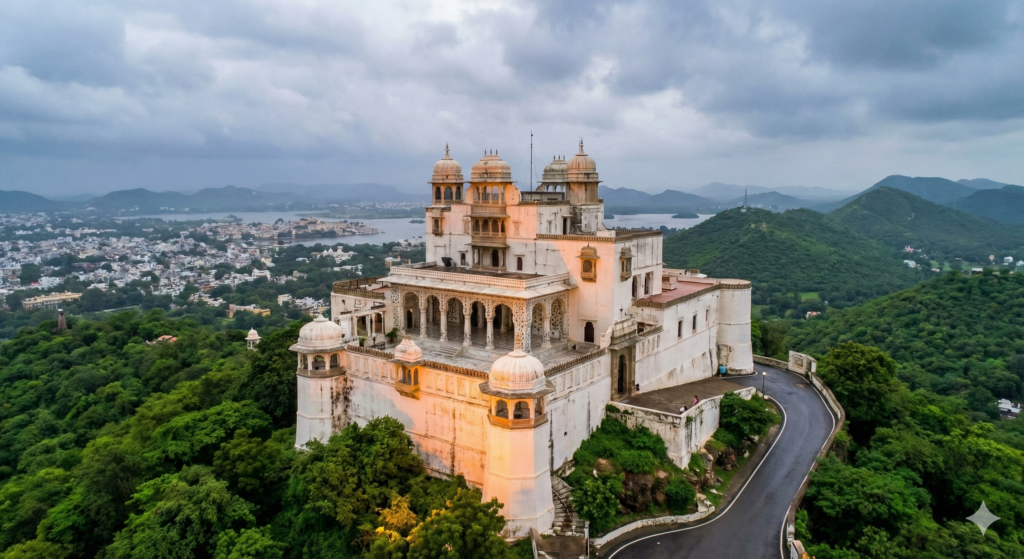
Perched dramatically above lakes, timbers, and rolling hills, Monsoon Palace stands as one of Rajasthan’s most visually striking royal structures.
Rising like a dream against shifting thunderstorm shadows, the palace captures the imagination of chroniclers, trippers, and armature suckers likewise.
Its elevated position offers broad vistas, but its deeper appeal lies in the rich history and thoughtful armature that shaped its creation.
Given formally as Sajjangarh Palace, the structure reflects royal ambition, scientific curiosity, and cultural expression. further than a scenic standpoint, it embodies a fascinating mix of royal life, environmental adaption, and architectural invention.
This composition explores seven remarkable secrets behind the palace — uncovering how its history intertwines with design brilliance, strategic placement, symbolism, and enduring artistic value.
What Is Monsoon Palace? A Royal Jewel Above the shadows
Located overlooking the megacity of Udaipur, the palace crowns a hill within the ancient Aravalli Range, creating an vision of floating above the shadows during the stormy season. The name “ Monsoon Palace ” reflects its connection to seasonal observation and its stirring atmosphere during downfall.
The palace was conceived as a retreat where kingliness could escape the heat while enjoying panoramic views. Its commanding elevation represented power and prestige, buttressing royal presence in the geography. Yet the true seductiveness lies in how history and armature intermingled to produce a structure both functional and lyrical.
Secret 1 The Fascinating History Behind Monsoon Palace
The palace was commissioned by Maharana Sajjan Singh in the late 19th century. Firstly envisaged as an astronomical center for covering thunderstorm shadows, the design reflected royal interest in wisdom and climate patterns — a rare mix of governance and curiosity.
literal records show that the palace also served as a rest retreat. Royal families visited to enjoy cooler mountain air, celebrate gatherings, and respect natural beauty. Although construction plans evolved over time, the palace retained its emblematic part as a place of reflection, observation, and royal escape.
Its history reveals a sovereign deeply engaged with invention, climate mindfulness, and aesthetic ambition — themes bedded into every wall and sundeck.
Secret 2 Architectural Brilliance That Defied Its Time
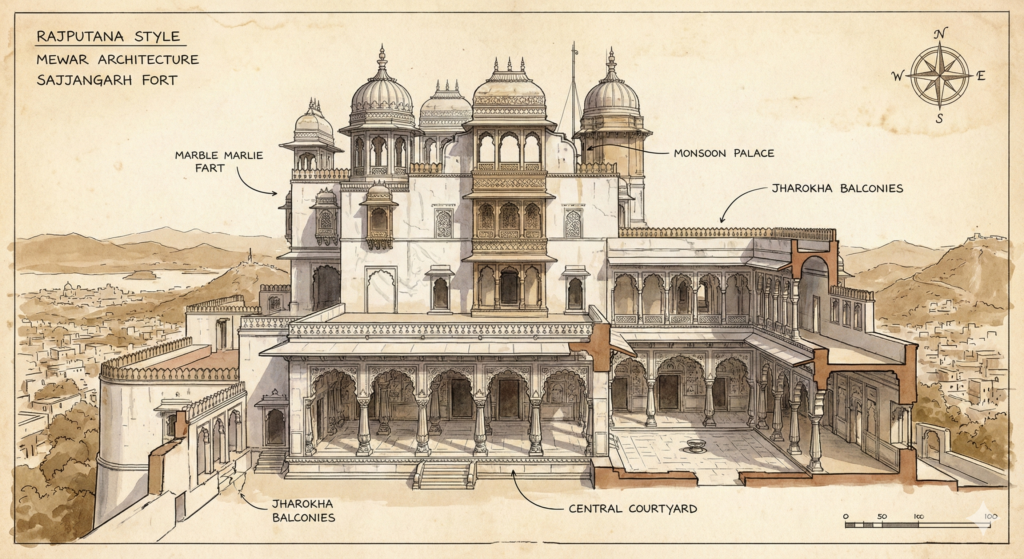
The armature of Monsoon Palace showcases an elegant balance of continuity and art. erected primarily from white marble, the palace radiates brilliance against the rugged hillscape. Thick walls and high ceilings moderate temperature — a practical adaption to extreme rainfall.
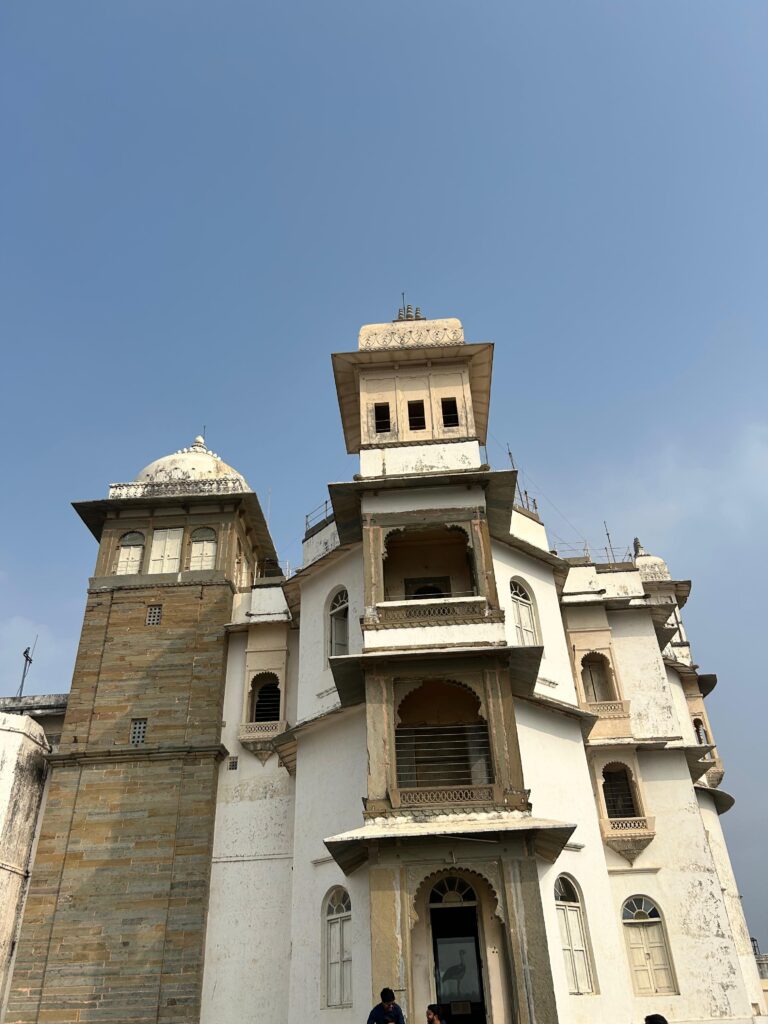
harmony defines the layout. Open sundecks maximize tailwind while framing scenic views. Arched openings soften structural mass, creating visual meter and harmony. The architectural planning demonstrates mindfulness of environmental forces, proving that literal builders deeply understood climate- responsive design.
Rainwater operation systems were incorporated into the structure, reflecting engineering foresight. Every architectural decision served binary purposes beauty and practicality.
Secret 3 Strategic Hilltop Location and Its Hidden Purpose
The palace’s elevated setting was no accident. Its placement offered strategic advantages — visibility across vast terrain, natural defense, and an unequaled edge point for observing seasonal rainfall.
From its sundecks, shifting thunderstorm shadows could be studied, buttressing its meteorological purpose. The high altitude also assured cooler temperatures, making it an ideal royal retreat.
Symbolically, the hilltop position communicated authority. Royal armature frequently imaged cosmic or natural scales, situating autocrats directly closer to the welkin.
Secret 4 Symbolism and Royal Lifestyle Reflected in the Design
Royal structures constantly embodied artistic symbolism, and Monsoon Palace is no exception. The commodious yards encouraged collaborative gatherings, reflecting social traditions of royal courts. ornamental details echoed aesthetic values embedded in indigenous artificer.
Light- filled innards represented openness and clarity — rates associated with enlightened leadership. The palace was n’t simply a hearthstone; it was a stage where royal identity, form, and art gathered.
Architectural features similar as elevated sundecks allowed autocrats to observe nature, buttressing philosophical connections between governance and the natural world.
Secret 5 The Monsoon Connection — wisdom Meets Architecture
The palace’s identity is thick from its relationship with the thunderstorm. Designed incompletely for atmospheric observation, the structure integrates seasonal mindfulness into its armature.
sundecks maximize sky visibility, while exposure aligns with prevailing rainfall patterns. Thick masonry protects innards from heavy rain and wind. Drainage channels help water accumulation, conserving structural integrity.
This emulsion of wisdom and armature demonstrates advanced environmental thinking long before ultramodern sustainability movements.
Secret 6 Restoration, Preservation, and ultramodern Applicability
Over time, preservation enterprise honored the palace’s literal and architectural significance. Conservation sweats stabilized structural rudiments while maintaining original character.
moment, the palace serves as a heritage point that educates callers about literal engineering, climate adaption, and royal artificer. Preservation ensures that unborn generations can study how literal armature balanced aesthetics with environmental intelligence.
The point also contributes to indigenous tourism, buttressing artistic pride and heritage mindfulness.
Secret 7 Legends, Stories, and lower- Known Data
Like numerous major milestones, Monsoon Palace is girdled by original legends. Stories speak of royal gatherings under storm- lit skies, rumored secrets carried by mountain winds, and moments of quiet reflection overlooking vast geographies.
Some myth suggests the palace embodied elysian symbolism — representing harmony between sky and earth. Whether factual or fabulous, these narratives enrich the point’s artistic texture.
retired details, similar as subtle busts and structural nuances, continue to intrigue chroniclers and armature suckers.
Caller Experience Exploring Monsoon Palace Today
ultramodern callers witness the palace as a emulsion of natural beauty and literal majesty. The trip overhead reveals thick timbers, wildlife, and panoramic shoes.
At evening, marble shells glow with warm tinges, transubstantiating the structure into a luminous figure. Thunderstorm season adds drama — swirling shadows produce an nearly ethereal terrain.
Photography suckers appreciate the interplay of armature, geography, and sky. Every angle offers visual liar.
Cultural and literal Significance in Rajasthan Tourism
positioned in the heritage-rich state of Rajasthan, the palace represents the cultural and scientific achievements of its period. It highlights how royal armature extended beyond aesthetics into environmental mindfulness and intellectual curiosity.
The palace contributes to Rajasthan’s identity as a land where history, artificer, and geography attend. It stands as a testament to how armature can express artistic values and scientific ambition contemporaneously
Architectural Materials and Craftsmanship: Strength Meets Elegance
One of the most striking aspects of Monsoon Palace is how its construction balances resilience with visual grace. Builders selected marble not only for its royal aesthetic appeal but also for its durability against harsh seasonal changes.
The stone reflects sunlight during peak summer heat, reducing internal temperatures — an early demonstration of climate-responsive architecture.
Craftsmanship played an equally important role. Skilled artisans carved structural details that combined ornamentation with purpose. Cornices helped direct rainwater away from walls, preserving integrity during heavy storms. Window proportions allowed light and airflow while minimizing exposure to strong winds.
This harmony between engineering and artistry illustrates how historical architecture prioritized sustainability long before modern terminology existed. The palace stands as proof that elegance need not sacrifice practicality — a principle embedded deeply in traditional design philosophies.
Environmental Intelligence in Palace Design
Monsoon Palace demonstrates an advanced understanding of environmental dynamics. Builders studied wind direction, rainfall patterns, and solar movement when shaping the structure. Elevated corridors channel natural airflow, creating cooling effects without mechanical intervention.
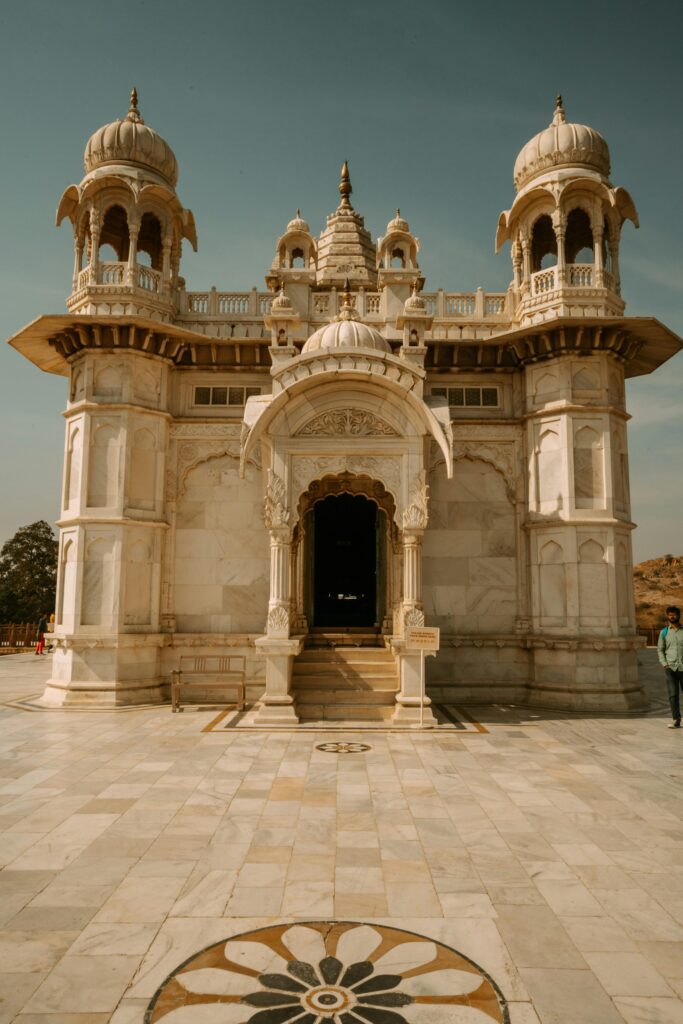
Rainwater drainage systems were integrated into terraces and roofing layers. Instead of allowing water to accumulate, carefully angled surfaces guide runoff into channels that protect foundations. This design ensured long-term structural stability during intense monsoon seasons.
The palace’s orientation maximizes seasonal comfort. During hotter months, shaded walls and interior chambers remain cooler. In wetter months, open terraces provide unobstructed observation of shifting skies — reinforcing the palace’s meteorological purpose.
Such environmental intelligence reveals that historical architecture was deeply connected to ecological awareness. Rather than resisting nature, designers collaborated with it.
Visual Geometry and Spatial Harmony
A closer look at Monsoon Palace reveals geometric planning that enhances both function and perception. Symmetrical arrangements create balance, guiding movement naturally through corridors and courtyards.
Spatial layering produces a rhythm of openness and enclosure. Visitors transition from protected interiors to expansive terraces, experiencing gradual exposure to the surrounding landscape.
This progression heightens sensory engagement — sound, light, wind, and distant horizons become part of the architectural narrative.
Visual harmony also communicates authority. Balanced proportions project order and stability, qualities historically associated with enlightened governance. Archtecture becomes a silent language expressing philosophy, power, and cultural identity.
Relationship Between Palace and Landscape
The palace does not dominate its environment; it converses with it. Its pale façade contrasts beautifully with the rugged terrain of surrounding hills, creating a visual dialogue between human craftsmanship and natural formations.
From elevated vantage points, one can observe shimmering waters of Fateh Sagar Lake, dense forests, and rolling ridgelines. These vistas reinforce the palace’s identity as a place of contemplation and observation.
The integration of architecture with terrain reflects a design philosophy rooted in harmony. Builders respected topography rather than reshaping it aggressively. This sensitivity preserved ecological balance while enhancing scenic drama.
Such coexistence illustrates how architecture can amplify natural beauty without overwhelming it.
Symbolic Dimensions of Elevated Architecture
Elevation has long carried symbolic meaning in royal construction. Building high above the plains represented transcendence — a metaphorical ascent toward clarity, vision, and divine proximity.
Monsoon Palace embodies this symbolism. Standing above clouds during rainy seasons, it evokes a sense of separation from worldly concerns. Historically, such spaces allowed rulers moments of reflection away from courtly pressures.
Architectural elevation also communicated strength. Visibility across the landscape signaled presence and authority. Yet beyond political symbolism, the height encouraged philosophical contemplation — observing cycles of nature reminded rulers of impermanence and balance.
Thus, elevation was not merely strategic; it was spiritual and intellectual.
Wildlife, Ecology, and Surrounding Natural Sanctuary
The palace is enveloped by protected forest terrain that enhances its environmental narrative. The nearby Sajjangarh Wildlife Sanctuary preserves biodiversity, creating a living ecosystem around the historical structure.
Native flora stabilizes soil, preventing erosion that could threaten foundations. Wildlife presence enriches the sensory experience — birds, wind through trees, and distant animal calls contribute to the atmosphere.
This ecological buffer highlights how heritage sites can coexist with conservation efforts. The palace becomes part of a broader environmental story, demonstrating that historical landmarks need not exist in isolation from nature.
Visitors experience architecture within a living landscape rather than a static monument.
Royal Leisure and Atmospheric Experience
Beyond scientific and symbolic roles, the palace functioned as a retreat of sensory indulgence. Royal guests experienced cooler air, dramatic skies, and expansive views that contrasted sharply with city heat below.
Seasonal weather transformed the atmosphere. Monsoon clouds rolling across terraces created moments of theatrical beauty. Lightning illuminating marble surfaces turned storms into spectacles of light and shadow.
Interior spaces offered respite and quiet reflection. Thick walls muffled external noise, producing tranquil environments ideal for conversation or solitude. Such design reflects a refined understanding of how architecture shapes emotional experience.
The palace was not merely inhabited — it was felt.
Architectural Longevity and Structural Wisdom
Surviving decades of seasonal extremes demands intelligent construction. The palace’s enduring presence reveals foresight in material selection, load distribution, and weatherproofing.
Stone joints accommodate expansion and contraction caused by temperature shifts. Elevated foundations reduce moisture damage. Protective overhangs shield walls from direct rainfall.
These features demonstrate that historical architecture prioritized longevity. Builders understood that structures must adapt to environmental stress rather than resist it rigidly.
Longevity, therefore, becomes an architectural achievement — a testament to knowledge passed through generations of craftsmen.
Cultural Memory and Storytelling Embedded in Stone
Cultural memory is not preserved only in written records or museum displays — it lives in places where generations project meaning, emotion, and identity. Few landmarks demonstrate this better than Monsoon Palace.
Rising above the landscape, the palace is more than stone and marble; it is a vessel of shared remembrance where history, storytelling, and lived experience continue to shape how people understand the past.
At its core, cultural memory is collective. Communities surrounding the palace have long regarded it as a symbol of royal imagination and environmental harmony. Stories passed orally through families describe evenings when rulers gazed at gathering monsoon clouds, interpreting nature as both spectacle and guide.
These narratives blur the boundary between documented history and emotional memory, creating a layered heritage where fact and folklore coexist.
Architecture itself becomes a storyteller. Corridors and terraces act as silent witnesses to centuries of human presence.
When visitors walk through these spaces,they do more than observe — they participate in an ongoing narrative. The cool marble underfoot, wind moving through open arches, and panoramic skies trigger sensory connections that bridge past and present.
This experiential continuity keeps cultural memory alive, transforming the palace into a living archive rather than a frozen relic.
Local traditions reinforce this connection. Regional art, poetry, and folklore often reference hilltop palaces as spaces of reflection and transcendence. Such cultural expressions embed the monument within a broader imaginative landscape.
The palace becomes a symbol of aspiration — a place where rulers once contemplated weather, governance, and philosophy, reminding communities of a time when architecture reflected both power and intellectual curiosity.
Generational storytelling adds further depth. Elders recount visits during dramatic monsoon storms when clouds rolled across terraces like moving curtains. These memories carry emotional resonance — awe, pride, and belonging — ensuring the palace remains part of personal identity. Cultural memory thrives when people see heritage not as distant history, but as an extension of their own narrative.
The palace also acts as a meeting point between tradition and modern interpretation. Contemporary photographers, historians, and travelers reinterpret its meaning through art, scholarship, and media.
Each new perspective adds layers to the monument’s story, demonstrating that cultural memory evolves rather than stagnates. Heritage becomes dynamic — shaped by dialogue between past and present observers.
Importantly, cultural memory tied to architecture fosters continuity. It anchors communities to landscape and lineage, reinforcing a sense of place. When people look upon the palace, they see more than a structure; they see accumulated generations of imagination, craftsmanship, and lived experience.
This continuity strengthens cultural identity, reminding society that heritage is not only inherited — it is actively remembered and re-experienced.
Ultimately, the cultural memory surrounding Monsoon Palace illustrates how architecture can carry emotion across time. The palace remains meaningful because it invites reflection, storytelling, and participation.
Each visitor, storyteller, and historian becomes part of its unfolding narrative. In this way, the monument does not simply preserve history — it continually renews it, ensuring that memory, like the monsoon clouds drifting past its walls, remains in motion.
Experiencing the Palace Through Seasonal Transformation
Few structures transform as dramatically with the seasons as Monsoon Palace. Summer light reveals crisp architectural lines, emphasizing geometric clarity. Monsoon months soften edges with mist and cloud, creating dreamlike silhouettes.
Winter brings clarity and long-distance visibility, allowing expansive views across the landscape. Each season reshapes the palace’s personality, reinforcing its identity as a living monument connected to natural cycles.
This seasonal adaptability underscores architectural foresight — the structure was designed to remain visually compelling under shifting environmental conditions.
Architectural Philosophy: Harmony Between Power and Nature
At its core, Monsoon Palace reflects a philosophy where human ambition meets environmental humility. While the structure proclaims royal presence, it simultaneously acknowledges nature’s dominance.
Open terraces celebrate sky and wind. Elevated placement honors terrain. Environmental design respects climate realities.
This balance communicates an enduring lesson: architecture achieves greatness not by conquering nature, but by aligning with it.
Reflection — The Living Dialogue of History and Architecture
Monsoon Palace continues to resonate because it embodies dialogue — between past and present, art and science, human intention and natural force. Its history is written not only in archives but in marble surfaces weathered by decades of monsoon winds.
The architecture tells a story of curiosity, adaptation, and aesthetic vision. Every corridor, terrace, and stone detail invites reflection on how civilizations express identity through built form.
Standing amid clouds and sunlight, the palace reminds observers that architecture can be both shelter and philosophy — a timeless bridge between imagination and environment
Conclusion — The Timeless Legacy of Monsoon Palace
Standing high above shifting clouds and ancient hills, Monsoon Palace represents far more than a scenic landmark. It is a powerful convergence of history, architecture, environmental intelligence, and royal vision. Every terrace, corridor, and marble surface reflects a thoughtful dialogue between human creativity and the natural world.
The palace’s history reveals ambition rooted in curiosity — a ruler’s desire to observe the monsoon, understand climate, and create a retreat that balanced science with beauty. Its architecture demonstrates remarkable foresight, blending durability, spatial harmony, and climate adaptation in ways that still feel relevant today.
Rather than resisting nature, the design embraces wind, light, elevation, and seasonal transformation, allowing the structure to live in rhythm with its surroundings.
Beyond engineering brilliance, the palace carries symbolic and cultural meaning. It embodies reflection, authority, artistry, and the timeless human urge to build spaces that inspire awe. Legends, memories, and visitor experiences continue to add new layers to its story, ensuring that the monument remains alive in collective imagination.
Ultimately, Monsoon Palace endures because it captures something universal — the meeting point of nature, vision, and craftsmanship. It reminds us that great architecture is not only about construction, but about understanding environment, expressing identity, and creating places that speak across generations.
Even today, as clouds gather and sunlight glides across its walls, the palace stands as a poetic testament to how history and architecture can merge into something truly timeless.