
Table of Contents
Introduction to Saheliyon Ki Bari
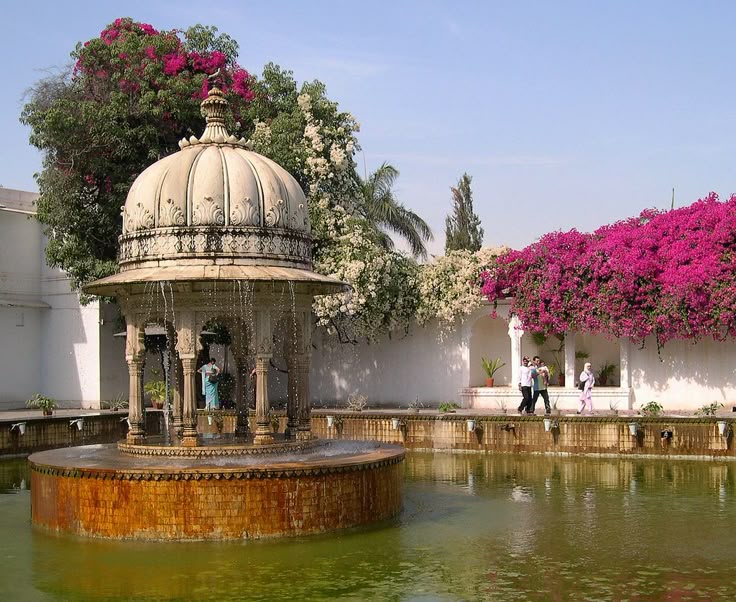
Saheliyon Ki Bari is perhaps the most striking and colorful heritage garden in Udaipur, Rajasthan. The meaning of the word “Saheliyon Ki Bari” in English translates to the Garden of the Maidens.
The primary reason why this garden is called the Garden of the Maidens is that it is associated with the women of the Mewar dynasty. The heritage garden is located along the edge of a calm waterbody.
This garden is the epitome of a riverside garden and reflects the combination of nature’s charm and architectural grandeur.
In fact, its carefully planned layout, marble structures with intricate carvings, and water channels not only make for a beautiful environment but are so captivating as to enthrall people for ages.
As a historical monument, a tourist destination, and a photographer’s paradise, Sahelion Ki Bari stands for the cultural and aesthetic facets of Udaipur.
Apart from its aesthetic appeal, this garden also has its significance as it remains one of the first gardens that were created solely for the queen and her friends to spend time in and take leisurely walks.
The link between Saheliyon Ki Bari and the royal past of Udaipur makes this place not merely an aesthetic treat for the eyes but also an epitome of the cultural heritage of Rajasthan’s Mewar region.
Historical background
Saheliyon Ki Bari has a historic past that is closely linked with the royal family of Mewar. This garden was built by Maharana Sangram Singh-II in the 18th century.
It was meant to serve as a resting area for the queen and the royal friends, known as Sahelis. This garden not only acted as a resting place for people but also pronounced the majesty of the royal court.
In the past, functions of such gardens as Saheliyon Ki Bari involved acting as sites for cultural performances, formal gatherings, and peaceful places of seclusion away from the hustle and bustle of life in the palace. The idea of a garden for women only is a reflection of traditions at that time.
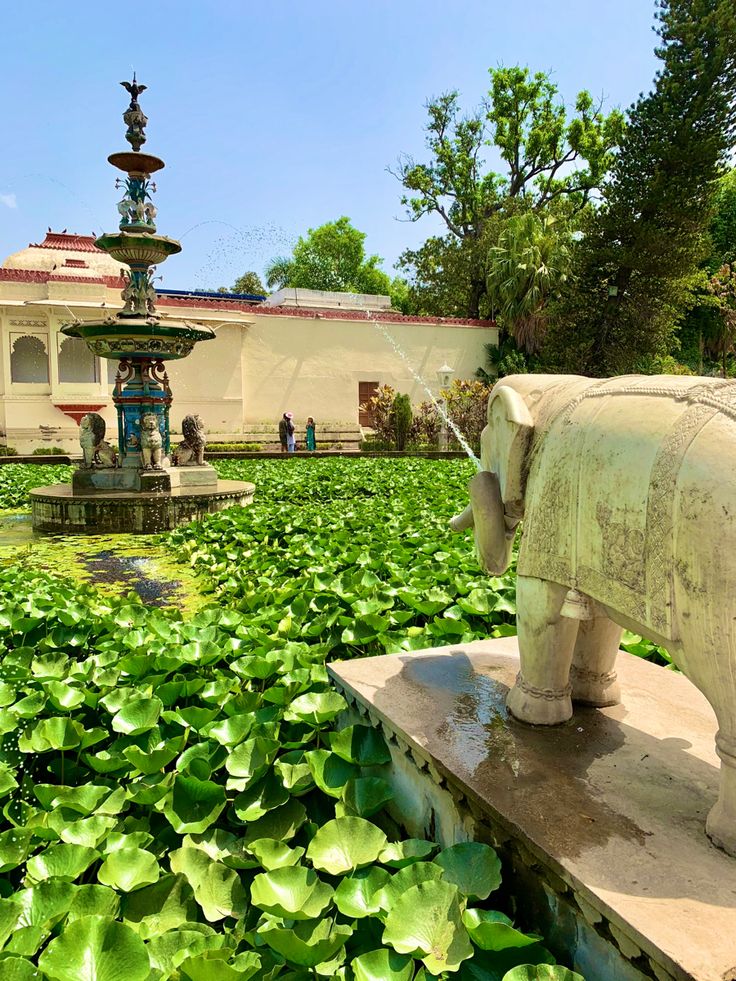
The architectural designs in Saheliyon Ki Bari are a reflection of Rajput and Mughal architectural styles, which blend strong local flavor with ornate designs.
This inclusion of water fountains, marble pavilions, and geometric designs for gardens is a reflection of charbagh gardens from the Mughals with local flavors of Rajasthan added to them.
For such a long time, Saheliyon Ki Bari has served as a living example of the royal traditions of Udaipur. Its beauty and importance are such that this garden is a major contributor to the rich tradition of gardens laid out along the water bodies of Rajasthan.
The fact that this garden has managed to exist is a reflection of the living standard and architecture of the royal family of Mewar.
Architectural Features
The design plan of Saheliyon Ki Bari is truly remarkable and includes elements of functionality and aesthetics. In the garden, there are different marble pavilions meant for the queen’s relaxation and socialization with her friends.
It is important to note that these pavilions are situated close to water fountains and water courses that give the queen and her friends relaxation from the hot climatic conditions of the desert state of Rajasthan.
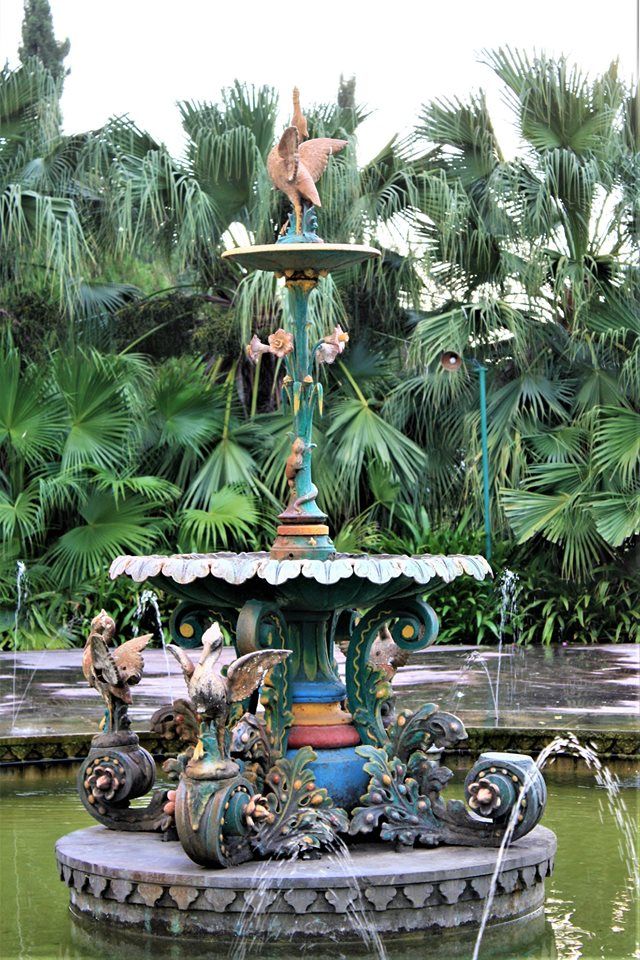
The garden is laid out in perfect symmetry, reflecting the classic riverfront garden design. The garden paths run along flower beds and trees, leading the visitor through the gardens in a beautiful and ordered way.
Towards the rear of the garden, the fountain and lotus pools offer both aesthetic and cooling functions, showing a high understanding of riverfront garden design and the management of water.
Water channels, waterways, and water fountains help in designing this garden. Not only have water channels and waterways increased the beauty of Saheliyon Ki Bari Gardens, but they have also been used for irrigational purposes and improving the microclimate.
The sound produced due to water flow helps in creating a sound environment that acts as a refuge.
Use of local as well as foreign marble gives elegance and durability to the buildings. Carvings, flowers, and water fountains are the qualitative works of that time, showing the richness of the Mewar royal family.
Every architectural part of ‘Saheliyon Ki Bari’ is placed in coordination with the entire layout of the garden.
On the whole, Saheliyon Ki Bari is a manifestation of how functionality and aesthetic appeal can coexist beautifully and complement each other. It is one of the best preserved examples of a heritage garden in Rajasthan, which balances majesty and nature aptly.
Riverside Garden Design
The garden layout of Saheliyon Ki Bari along the side of a river is another feature that differentiates it from other gardens in Rajasthan.
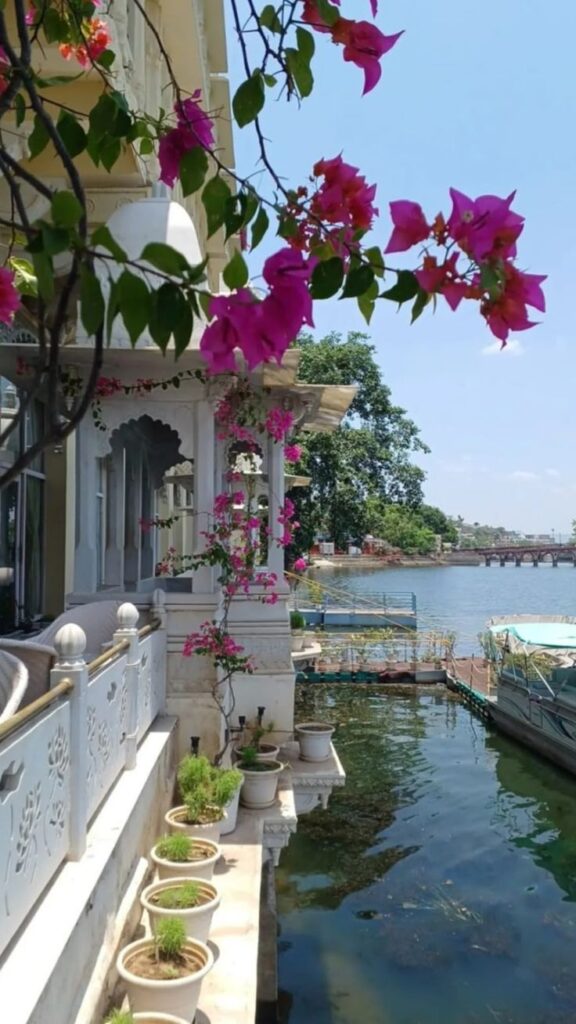
The garden has been placed in a tactful position adjacent to Fateh Sagar Lake in a manner that the natural beauty of water bodies has been fully utilized in its design. All this has been achieved to create a perfect balance between the architectural and natural features of the landscape.
Integration with Water Bodies
One of the major features that define Saheliyon Ki Bari is the integration of water resources from the surrounding region. The watercourses, water features, and water ponds in Saheliyon Ki Bari create one continuous flow all through the garden.
This ensures that no matter how dry the season may be, the plants will always appear lush because one is essentially treating the entire region like a river-side garden where water elements highlight the plants.
In its landscaping, there are fountains that have been erected along paths and around pavilions. In addition to being aesthetically appealing, these provide an auditory treat of gentle flowing water.
Even here, one can see the significance of water, this time for its use in landscaping for recreation of the queen and her Sahelis.
Symmetry and Pathway Design
The garden’s walkways are also an important feature that highlights the symmetrical concept which was common to the gardens of the royals of Rajasthan.
The straight walkways are flanked by flowers and shade-providing trees that guide visitors through the gardens in an orderly fashion.
The layout of the walkways in the garden is also such that every pavilion and water feature is visible from several locations.
The symmetry also extends to flower beds, ponds, and fountains, which are equally spaced, exhibiting perfect symmetrical composition or layout.
This strategy reflects the approach of Mughal gardens yet also reflects some design from Rajputana style, resulting in an unnoticeable merger of styles, as observed in the case of Saheliyon Ki Bari.
Plant Choice and Seasonality
This garden is filled with indigenous and exotic plants that are carefully chosen based on color, fragrance, and the ability to produce blooms throughout the year. Mango trees, lemon trees, and flowers are arranged such that there is beauty throughout the year.
This mix of plants and water bodies is useful for the creation of a microclimate that supports biodiversity with thehelp of birds and small animals that are drawn by the garden.
With the changing seasons, there is a fresh splash of color introduced into this park, with spring and monsoons bringing life to this park.
The design and layout of the gardens emphasize the function of a river-side garden, which is functional and enhances the richness of nature.
Pavilions, or viewing points,
The garden consists of a number of marble pavilions that are strategically placed to ensure that views of water channels, fountains, and flowers are utilized to the fullest extent.
The pavilions act as a source of comfort for visitors since they create shaded areas where people can relax as they enjoy the visual effects of panoramic views.
Waterways run alongside these pavilions, reflecting the sunlight and accentuating the surrounding greenery.
The perfect combination of water, architecture, and plants has solidified the position of Saheliyon Ki Bari as a carefully designed riverbank garden symbolizing harmony and perfection.
Engineering and Functional Design
Apart from aesthetic concerns, the water distribution network in the garden is engineered to perfection. Water distribution through aqueducts and watercourses is just one of the features that enables irrigation and sustains the lush vegetation characteristic of the garden.
Such ingenuity and perfection in landscape design clearly highlight the importance of Saheliyon Ki Bari Garden from the past perspective not just as a spot for recreation but also as a utility area.
The design of the garden promotes constant water flow in the form of fountains, pools as well as water channels. This not only makes the design beautiful and visually appealing but is a design element that has been adopted in a sustainable design for a riverside garden.
Aesthetic Significance
With running water, symmetrical architecture, rich flora, and marble architecture, Saheliyon Ki Bari is a work of art in riverfront garden design.
Saheliyon Ki Bari is a reflection of Mewar culture, where aesthetics, pleasure, and utility were inextricably bound. Saheliyon Ki Bari is a living example of a time when there was a belief in nature and creativity being in collaboration.
Cultural & Royal Significance
The historical significance of the garden of Sahelion-ki Bari owes largely to the cultural and royal significance the garden possessed and still possesses to this day—the very essence being derived from its royal significance.
The garden represented much more than a garden; it represented a planned royal retreat where the social traditions and ways of life of the Mewar dynasty were incorporated.
A Royal Retreat for Women of the Court
Sahelion Ki Bari was created solely for the queen and her maidservants, who were termed as Sahelis. These women used to accompany the queen after she was married and were an essential part of her routine.
This garden was the perfect place for them to have a relaxed environment away from the formal surroundings of the palace.
This exclusivity had the background of the royal traditions in Rajasthan, wherein exclusive areas had been planned for the ladies to maintain privacy.
Saheliyon Ki Bari represented freedom within limitations, wherein the royal ladies had a planned space where they could unwind, celebrate festivals, and indulge in artistic expressions unfettered by outside interactions.
“Cultural Practices and Courtly Leisure”
The garden was very important in the cultural events within the royal family. It was a place where music, poetry, and socializing happened; hence its importance as a site of cultural expression.
It was the focal point of cultural events like performances of traditional arts and festivities depending on the period of the year.
These activities exemplify how Saheliyon Ki Bari was more than a physical structure; it served as a living cultural phenomenon.
The peaceful ambiance of the river-side gardens provided a very accommodating arena for creative and reflective pursuits of the royal women.
Gardens and Their Meanings Across Cultures
The gardens in the context of the Rajasthani culture are representations of prosperity, elegance, and harmony between nature and architecture. The presence of water, greenery, and symmetry in Saheliyon Ki Bari signifies abundance and harmony. Water, in particular, is significant due to its importance as the source of life and purity, especially in the dry conditions of Rajasthan.
The garden design at the riverside showcased the might and majesty of the Mewar rulers. The construction of such a complex garden was not possible without the display of the above qualities by the royal courts themselves.
Representation of Women’s Space in History
Notwithstanding its loss of relevance to the current context, Saheliyon Ki Bari remains one of the most significant representations of women’s spaces in Indian history.
Unlike the monuments and forts that showcase Indian heritage, Saheliyon Ki Bari was designed for the comfort of royal women. Even the water features, pathways, and private seating areas indicate that comfort was taken into consideration.
This is quite insightful in terms of social structure during that period in Indian history. Saheliyon Ki Bari is a testament to how royals lived, interacted, and sought peace with a patriarchal society in place. It holds a story that often tends to go unseen in historical narratives.
Relation to Royal Identity in Udaipur
Saheliyon Ki Bari is inextricably bound with Udaipur’s identity of being a lake, palace, and garden city.
Together with other palaces in Udaipur, Saheliyon Ki Bari is a major contributory factor in making Udaipur a name associated with well-ornamented gardens along river banks. Saheliyon Ki Bari, being situated near a water body, imparts a wise design of river gardens to Udaipur.
Such has remained the glory of Saheliyon Ki Bari, an indication of how cultural heritage continues to influence this regional identity.
Today, this garden continues to stand out as an expression of Mewar in terms of its artistic expression or cultural sophistication.
Ever-lasting Cultural Impacts
Over the years, Saheliyon Ki Bari has managed to remain relevant from a cultural perspective. Even though the original royal purpose of this place has undergone changes, it has retained its essence from the ancient era.
By preserving the design and water features of this royal location in the city, one can feel what the royal women used to experience.
The lasting heritage of the garden is in its capacity to tell the story of leisure, art, and dignity in the royal lifestyle. The garden is a heritage site that connects the past with the present in terms of understanding the cultural practices and the history of the royal families of Rajasthan.
Flora and Natural Beauty
La belleza natural que Saheliyon Ki Bari posee se caracteriza porque cuenta con diversidad y variedad en su flora.
El jardín tiene un conjunto de plantas indígenas y exóticas, lo cual acentúa lo verde y coloringados que presentan los verdes. Los jardines de rosas, los bosques de mango, los bosques de limones, y los estanques de loto son los componentes más prominentes.
The fountains as well as water courses used in irrigation have a purpose beyond irrigation; they help in creating a climate that sustains sensitive plants.
The reflective pools help in enhancing the beauty of the flowering plants, while the shade from tall trees provides a cooling site during summer.
Birds and other small wildlife will also inevitably be drawn to the garden and will contribute to an enriched experience through biodiversity. With flowering plants and fruit and aquatic plants, the garden will remain vibrant and alive.
Such an harmonious blend of architectural design, water resource management, and garden design by the side of the river showcases how human creativity can be combined with nature in a majestic way and how Saheliyon Ki Bari became a living example of landscaping through both artistic and scientific perspectives.
Tourism and Visitor Experience
Saheliyon Ki Bari is one of the most frequently visited heritage locations in Udaipur, which draws tourists not only from across India, but also from across the globe.
The breathtaking views, historical background, and peaceful ambience that this place offers make it a place worth visiting for anyone interested in river-side gardens and historical mansions.
As soon as a visitor steps into the garden, he/she gets to enjoy the fountains, marble pavilions, and lawns.
These paths lead tourists to sections of the garden as they get to enjoy the garden to its full potential while having areas to rest and enjoy shades.
Photographers will also enjoy the garden as the combination of water features, trees, and marble features will fascinate them to undertake heritage photography.
The fact that the garden is close to major attractions in Udaipur, including the City Palace and Fateh Sagar Lake, is one of the factors that make it appealing.
Visitors can visit Saheliyon Ki Bari in conjunction with other tourist activities. Colors brought about by blooms during seasons like spring and monsoons make the place aesthetic, while water features make it alluring.
However, for persons with interest in history, there is learning value in the garden as well. There are tours that offer information regarding the garden’s historical significance, architectural meaning, and cultural context as a royal garden, architectural marvel, and artistic creation that is more than just a riverside garden because of the advanced engineering that enables functioning water features.
One can learn all about the Mewar dynasty, the ‘Sahelis’, and the engineering that goes into water features that make it a riverside garden as well.
So, the overall experience for the visitor, as experienced in Saheliyon Ki Bari, is one of visual delight, historical discovery, and leisure enjoyment.
Saheliyon Ki Bari remains one of the most enduring exemplars of how heritage gardens can be used for tourism purposes and for the preservation of cultural knowledge.
Preservation and Legacy
The conservation efforts that have been important for Saheliyon Ki Bari have been necessary for maintaining the architecture and natural aesthetics associated with this historic piece.
Over the years, there have been restoration jobs for water bodies like fountains, as well as maintenance done for the architecture constructed using marble. “The history of gardens is inextricably bound up with the history of Udaipur.”
Further, it can be said that it is also a reflection of “culture, lifestyle, tastes, and values of Mewar Royals, particularly of Her Majesty, the queen, and her Sahelis,” of which this garden is a very fine example. Conservation work also entails preserving the surrounding environment.
Watercourse maintenance, water features, and plants require preservation, as they sustain the microclimate of this unique garden.
Water garden management practices that work towards sustainability mean that this water garden will remain alive not only as an element of cultural heritage but also as a functional water system.
At the same time, the preservation of the Sahelion Ki Bari gardens also emphasizes the significance of integrating heritage sites with tourism and education.
By ensuring authenticy and beauty are retained, this heritage now enables tourists and historians alike to appreciate the background of royal gardens in Rajasthan in relation to nature. The heritage also symbolizes harmony between nature and architecture.
9. Conclusion
To conclude, Saheliyon Ki Bari is an exemplary piece of a heritage riverside garden, where nature and architecture have been inextricably woven together with the historical fabric of the royally rich past.
From the beginnings as a rejuvenation site for the queen and her maidens to the present as a popular tourist destination, it holds an invaluable array of centuries-long history.
The architectural parts of the garden in marble pavilions, water features in the form of fountains, as well as the symmetry in walkways, are proof of refined architectural planning.
The incorporation of water features in the garden enables a balance of aesthetic considerations and irrigation purposes, making it a well-designed garden in terms of water use.
The garden’s rich biodiversity in floras adds to its natural beauty. For tourists, historians, and nature lovers alike, Saheliyon Ki Bari is an experience that blends the pleasure of sightseeing, education, and relaxation altogether.
This is because the conservation of Saheliyon Ki Bari helps ensure that the heritage of the Mewar dynasty and the wisdom of garden designs from the past will always inspire future generations.
8855betcassino, fala sério, um cassino desse não se vê todo dia! Gráficos de primeira, jogos que viciam e uma experiência que te transporta pra Las Vegas! Corre pro 8855betcassino.