
Table of Contents
 The Jhalana Leopard Safari Jaipur offers an extraordinary opportunity to witness one of India’s densest leopard populations right within city limits. This unique wildlife experience allows you to spot elusive big cats, along with hyenas, blue bulls, and diverse bird species during early morning or late evening safaris when animals are most active. The Jhalana Leopard Safari Park Jaipur stands out as a rare urban sanctuary nestled within the ancient Aravalli range. Beyond leopard sightings, Jaipur beckons with numerous adventure places in Jaipur and treks in Jaipur that showcase the region’s natural beauty.
In this guide, we’ll walk you through everything you need to plan your safari, what wildlife to expect, and how to combine your visit with other outdoor experiences in the area.
What Makes Jhalana Leopard Safari Park Jaipur Special
India’s First Leopard Reserve in a City
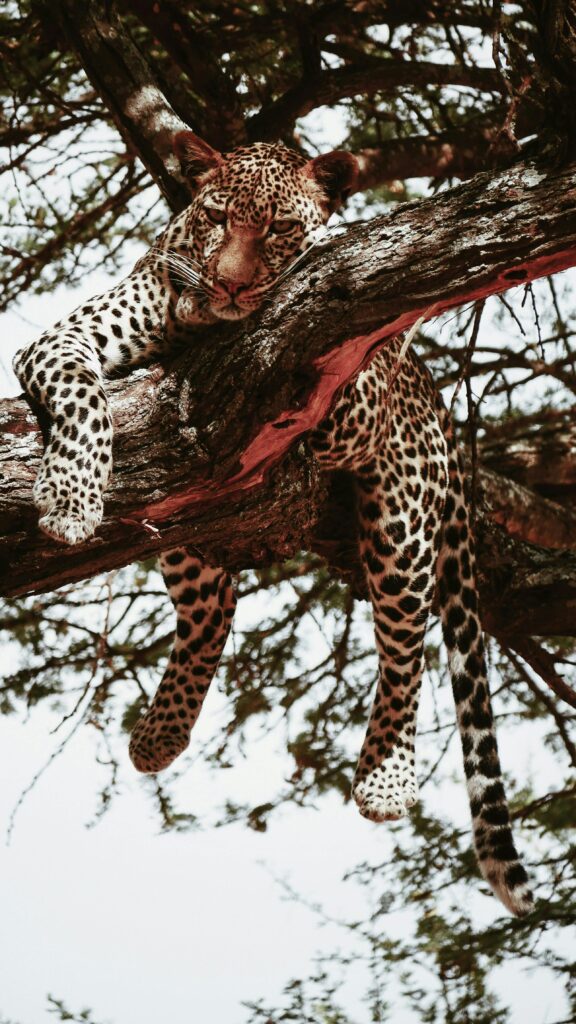
Jhalana earned its place in conservation history when the Rajasthan Forest Department declared it India’s first leopard reserve in 2017. The reserve spans approximately 20 square kilometers of dry deciduous forest in the foothills of the Aravalli range. What makes this designation particularly remarkable is the leopard population density. The park currently hosts more than 40 leopards, including cubs, making it one of the highest concentration areas for these big cats anywhere in the country.
The reserve’s urban location creates a unique conservation model. Established in 1940, the area once served as hunting grounds for Jaipur’s royal family before transforming into a protected habitat. At the present time, Jhalana demonstrates how wildlife and urban development can coexist successfully. Research indicates that the reserve maintains temperatures a few degrees lower than surrounding Jaipur areas year-round, functioning as the city’s lungs.
Rich Biodiversity Beyond Leopards
While leopards remain the star attraction at Jhalana Leopard Safari Park, Jaipur, the ecosystem supports a surprisingly diverse wildlife community. Visitors frequently encounter striped hyenas, Indian civets, desert cats, jungle cats, desert foxes, and golden jackals roaming the terrain. The herbivore population includes sambar deer, spotted deer (chital), and blue bulls (nilgai), coupled with smaller species like porcupines, jungle rats, monitor lizards, and mongooses.
Jhalana Leopard Safari, Jaipur. Jhalana Leopard Safari, Jaipur. Jhalana Leopard Safari, Jaipur. Jhalana Leopard Safari, Jaipur. Jhalana Leopard Safari, Jaipur. Jhalana Leopard Safari, Jaipur. Jhalana Leopard Safari, Jaipur. Jhalana Leopard Safari, Jaipur. Jhalana Leopard Safari, Jaipur.
Bird enthusiasts find the reserve equally rewarding. The park shelters numerous species, including the Indian Pitta, Dusky Eagle, various owl species, and spotted owlets. The dry deciduous forest, dominated by juliflora and khejri plants, sheds leaves during dry seasons and transforms into lush greenery during monsoons.
Rich Biodiversity Beyond Leopards
While leopards remain the star attraction at Jhalana Leopard Safari Jaipur, the ecosystem quietly supports a wildlife community that will genuinely surprise you. This is not just a leopard park — it is a thriving, layered wild habitat where every safari brings a different cast of characters to the stage.
The Predators That Share the Territory
Jhalana Leopard Safari Jaipur is home to a remarkable predator community beyond its famous big cats. Striped hyenas — one of India’s most secretive and misunderstood animals — patrol the rocky terrain after dusk, their distinctive rolling gait unmistakable once you have seen it. Indian civets move through the dense scrub with ghost-like silence. Desert cats, jungle cats, and desert foxes round out a predator lineup that few urban green spaces anywhere in the world can match.
The Hunters You Hear Before You See
Golden jackals are among the most vocal residents of Jhalana Leopard Safari Park Jaipur. Their calls at dusk — a rising, urgent chorus that carries across the entire reserve — are one of the most atmospheric sounds in Indian wildlife. Mongooses dart between rocks with electric speed. Monitor lizards, sometimes reaching impressive lengths, bask on sun-warmed boulders along the safari routes, entirely unbothered by passing vehicles.
The Herbivores That Keep the Ecosystem Alive
No predator ecosystem survives without a healthy prey base, and Jhalana Leopard Safari Jaipur has exactly that. Sambar deer — India’s largest deer species — move through the denser woodland sections with quiet dignity. Spotted deer, or chital, gather in open grassland areas in groups that can number in the dozens, their dappled coats catching the morning light. Blue bulls, known locally as nilgai and standing nearly five feet at the shoulder, graze the open scrub with the unhurried confidence of animals that have little to fear.
The Smaller Residents Worth Watching
First-time visitors to Jhalana Leopard Safari Park Jaipur often focus entirely on leopards — which is understandable — but the smaller residents are equally fascinating once you train your eye to find them. Porcupines leave their quill signatures along dusty trails. Jungle rats create elaborate burrow systems beneath rocky outcrops. Mongooses engage in the kind of quick, purposeful movement that suggests they always know something the other animals do not.
A Bird Watcher’s Unexpected Paradise
Jhalana Leopard Safari Jaipur shelters over 200 bird species — a number that surprises even experienced birders who arrive expecting only a leopard experience. The Indian Pitta, one of India’s most brilliantly coloured birds, moves through the lower vegetation with a flash of green, blue, and red that stops you mid-sentence. The Dusky Eagle Owl — large, fierce, and deeply impressive — roosts in the older trees and can sometimes be spotted in the golden light of the early morning safari.
Owls, Raptors, and the Birds of Prey
The raptor community at Jhalana Leopard Safari Park Jaipur is exceptional by any standard. Spotted owlets peer down from tree hollows with the wide-eyed intensity that makes owls so compelling to observe. During winter migration, peregrine falcons and steppe eagles pass through, adding names to any serious bird list. Resident Indian eagle owls — among the largest owls in the world — call from the rocky ridgelines at dawn in a sound that is equal parts beautiful and slightly unsettling.
The Forest That Changes With Every Season
The landscape of Jhalana Leopard Safari Jaipur is itself a character that shifts dramatically through the year. The dry deciduous forest is dominated by juliflora and khejri — hardy, deep-rooted species that anchor the ecosystem through Rajasthan’s fierce summers. Dhok, dhak, salar, and kumta trees fill the sloping valleys, creating layered canopy that supports different species at different heights.
In the dry season, leaves fall and the forest opens up — visibility improves, wildlife is easier to spot, and the landscape takes on a stark, sculptural beauty. Then the monsoon arrives and everything transforms. Within days of the first rains, the same terrain that looked bleached and bare turns a deep, saturated green. New plant growth draws herbivores into the open. The entire ecosystem exhales.
Convenient Location Near Jaipur City
Accessibility sets Jhalana apart from most wildlife reserves. The park sits just 6 kilometers from Jaipur International Airport, translating to approximately 15 minutes by road. From Jaipur Junction Railway Station, the distance measures around 11.7 kilometers. Correspondingly, the reserve lies only 10-15 kilometers from Jaipur’s city center, making it an ideal option for travelers with limited time who want to experience adventure places in Jaipur without extensive travel.
Planning Your Jhalana Leopard Safari Experience
Best Time to Visit Jhalana Safari
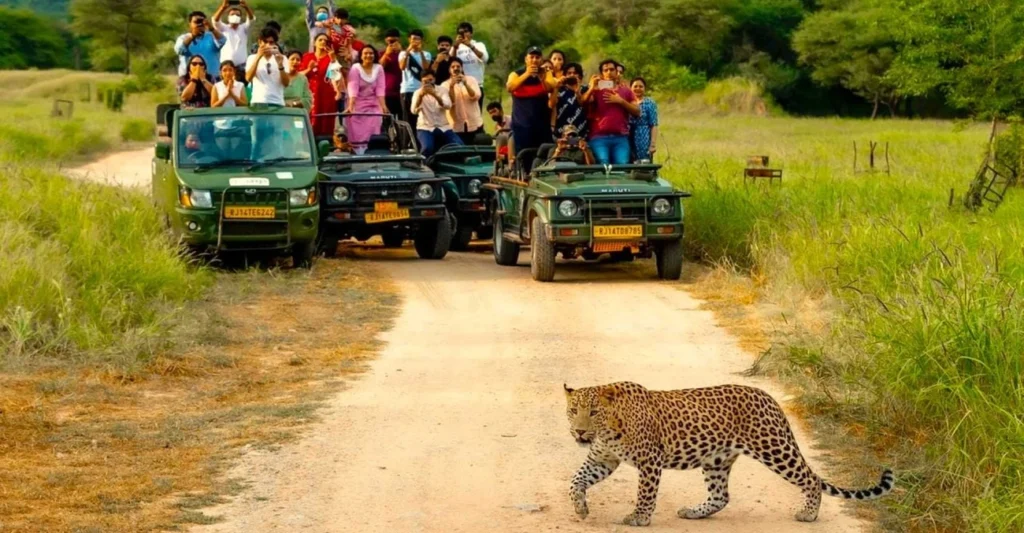
November to April stands out as the optimal window for experiencing jhalana leopard safari jaipur. The weather remains pleasant during these months, with cooler temperatures making safari rides comfortable. Wildlife activity peaks in winter, inasmuch as leopards and other animals venture out more frequently in the moderate climate. September to March also presents opportunities to spot female leopards with their cubs. Migratory birds arrive during winter, adding another dimension to your wildlife experience.
Summer months from April to June see temperatures climbing to 45 degrees Celsius. However, leopards tend to gather near water bodies during this period, potentially increasing sighting chances despite the heat.
The Predators That Share the Territory
Jhalana Leopard Safari Jaipur is home to a predator community that goes far beyond its famous big cats — and understanding this community makes every safari richer. Striped hyenas are perhaps the most compelling of the park’s secondary predators. One of India’s most secretive and genuinely misunderstood animals, the striped hyena is not the scavenging villain of popular imagination. It is an intelligent, largely solitary creature that plays a critical role in the ecosystem by cleaning up carrion that would otherwise become a source of disease. Their distinctive rolling gait — front legs longer than the back, creating a slope from shoulder to hip — is unmistakable once you have seen it, and unforgettable.
Indian civets move through the dense scrub of Jhalana Leopard Safari Park Jaipur with ghost-like silence, their cat-like bodies and masked faces making them look like something from a wildlife documentary rather than an urban forest in Rajasthan. Desert cats and jungle cats — smaller, more elusive, and rarely photographed — inhabit the rocky margins of the reserve. Desert foxes, with their enormous ears that function as both heat radiators and sound amplifiers, are occasionally spotted at dawn near the park’s drier sections. Together, this predator lineup is something that few urban green spaces anywhere in the world can honestly claim to support.
The Hunters You Hear Before You See
Some of the most memorable wildlife encounters at Jhalana Leopard Safari Jaipur are not visual at all. They are auditory and they are extraordinary.
Golden jackals are among the most vocal residents of the reserve. Their calls at dusk — a rising, urgent, almost mournful chorus that builds in waves and carries across the entire park — are one of the most atmospheric sounds in Indian wildlife.
If you are on an evening safari when the jackals begin calling, everything else stops. Guides lower their voices. Passengers put down their cameras. For a moment, the modern city that surrounds this ancient forest feels very far away indeed.
The Hunters You Hear Before You See
Mongooses are a constant presence along the safari routes of Jhalana Leopard Safari Park Jaipur. They dart between rocks with electric, purposeful speed — always five seconds ahead of whatever plan they are executing.
They are bold. They are curious. And they are entirely unconcerned by safari vehicles pulling up two metres away, which makes them perfect subjects for photographers still working on their wildlife timing.
Monitor lizards bring a completely different energy to Jhalana Leopard Safari Jaipur.
Sometimes reaching lengths of over a metre, these ancient-looking reptiles bask on sun-warmed boulders along the safari routes with absolute stillness. They are unbothered by passing vehicles. Unbothered by curious tourists. Unbothered by virtually everything.
There is something deeply calming about their prehistoric composure — animals that have been doing exactly this, on rocks exactly like these, for millions of years.
Safari Timings and Duration
Safari timings shift with seasons to account for daylight and temperature variations. From November to January, morning safaris run from 7:00 AM to 9:30 AM, while evening slots operate from 3:15 PM to 5:45 PM. February and March see adjusted timings of 6:15 AM to 8:45 AM and 3:45 PM to 6:15 PM respectively.
Each safari lasts approximately 2.5 hours maximum, providing ample time to explore different zones and spot wildlife.
Booking Your Safari in Advance
Safaris operate on a first-come, first-served basis. You can book up to 90 days in advance, which proves essential during peak season when slots fill rapidly. Online booking through official websites or authorized operators requires full payment upfront. Arrive at the boarding point 25 minutes before your scheduled departure.
Entry Fees and Charges
For Indian visitors, sharing seats cost ₹1,350 per person, while booking a full gypsy runs ₹7,500. Foreign tourists pay ₹2,500 per passenger or ₹12,000 for a private vehicle. Children aged five and below enter free.
What to Bring on Your Safari
Pack these essentials for your jhalana leopard safari park jaipur adventure:
- Binoculars for distant wildlife viewing
- Sunscreen and hat for sun protection
- Water bottle to stay hydrated
- Comfortable clothing in neutral colors
- Valid ID matching your booking details
- Camera with adequate battery backup
Wildlife and Nature You’ll Encounter

Spotting the Elusive Leopards
Jhalana boasts over 40 leopards within approximately 29 square kilometers, creating exceptional sighting probabilities exceeding 90%. Unlike their nocturnal cousins elsewhere, leopards at the Jhalana Leopard Safari, Jaipur, exhibit diurnal behavior, appearing confidently during daylight hours. This happens because leopards dominate as apex predators here without competition from tigers or wolves. You might spot them within five minutes of entering the park, lounging on rocky outcrops or padding silently through acacia thickets.
Other Wildlife Species at Jhalana
Beyond leopards, striped hyenas patrol the terrain with their distinctive rolling gait. Desert foxes, golden jackals, and small Indian civets move through the scrub, particularly around waterholes [151]. Herbivores include nilgai (blue bulls), chital (spotted deer), and sambar deer [183], alongside porcupines, monitor lizards, and mongooses [183]. Two wild hyenas call the reserve home, though sightings require exceptional luck.
Bird Watching Opportunities
Bird enthusiasts encounter over 200 species across Jhalana’s rocky ridgelines and scrub. Winter brings migratory raptors, including peregrine falcons and steppe eagles, while resident species like Indian eagle owls, spotted owlets, and Indian pittas thrive year-round [162]. Peacocks strut through grasslands, and various owl species inhabit tree hollows near waterholes [151].
Flora and Natural Landscape
The dry deciduous forest features juliflora and khejri as dominant species, supplemented by dhok, dhak, salar, and kumta trees in sloping valleys [183]. Rocky Aravalli foothills create diverse microclimates supporting scrub vegetation and grasslands [141].
Combining Jhalana with Other Adventure Places in Jaipur

Image Source: Jaipur Taxi Service
Nearby Forts and Historical Sites
Jaipur surrounds the reserve with architectural marvels within easy reach. Nahargarh Fort sits atop the Aravalli Hills, offering spectacular panoramic views of the Pink City. Jaigarh Fort, perched on the same range, houses the world’s largest cannon on wheels. Amber Fort showcases Rajput architecture at its finest, while Hawa Mahal’s distinctive windowed facade stands as an iconic landmark. The UNESCO World Heritage site Jantar Mantar features ancient astronomical instruments, and Galta Ji Temple, nestled in the Aravallis, attracts visitors with its natural freshwater springs and resident monkey population.
Treks in Jaipur Around Aravalli Hills
The Nahargarh Fort Trek spans 3-4 kilometers and takes 1-2 hours to complete. Galta Ji Temple Trek begins approximately 10 kilometers from Jaipur, winding through rocky terrain with panoramic city views. The Amer Fort to Jaigarh Fort Trek covers 3-4 kilometers through ancient ruins and watchtowers. For off-beat experiences, Achrol Fort Trek lies 30 kilometers from Jaipur, requiring 1.5-2 hours. Bhuteshwar Nath Mahadev Trek typically takes 40-60 minutes, while Hathni Kund Trek starts at Charan Mandir near Nahargarh Fort.
Other Nature Experiences in the Area
Jaipur Zoo sits near Jhalana, housing diverse species. Hot air balloon rides provide aerial views of the landscape, while the Aravalli range transforms into lush greenery during monsoons, creating stunning hiking conditions.
Conclusion
Jhalana Leopard Safari stands out as your gateway to experiencing India’s highest concentration of leopards without leaving city limits. With over 90% sighting probability, diverse wildlife, and adventure places in Jaipur just moments away, we believe this destination deserves a spot on your travel itinerary. Book your safari in advance, especially during peak season from November to April, and prepare yourself for an unforgettable wildlife encounter that showcases Jaipur’s natural treasures.