
Table of Contents
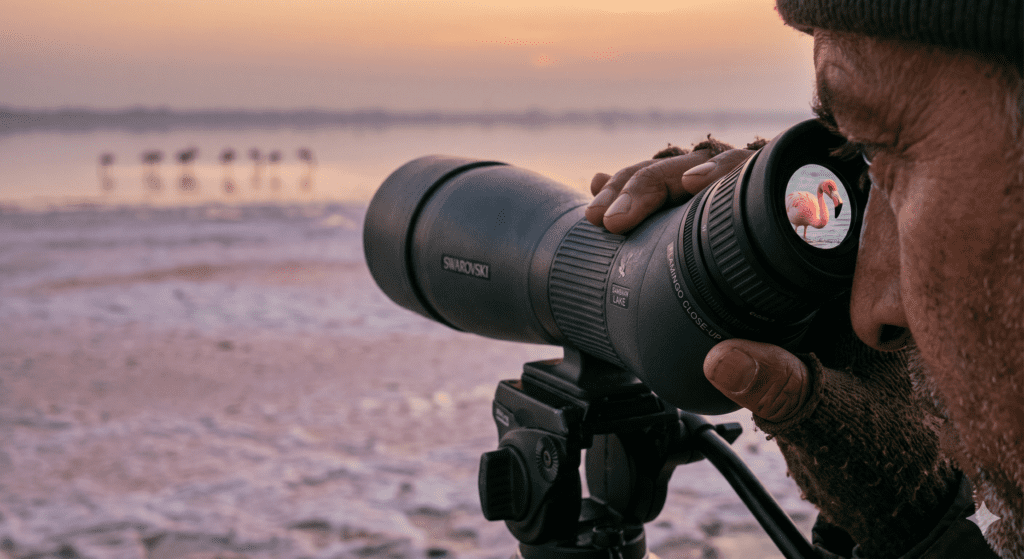
Sambhar Lake Rajasthan is one of India’s most spectacular and underrated natural wonders — a vast, shimmering salt lake that transforms into a birder’s paradise every winter. If you’ve been searching for the perfect weekend escape from the Pink City, look no further. Just 80 kilometres southwest of Jaipur, this ancient lake offers a birding experience so rich and rewarding that it rivals destinations ten times its fame.
Every year between October and March, Sambhar Lake Rajasthan draws tens of thousands of migratory birds flamingos, pelicans, stilts, and sandpipers turning its saline shores into a living, breathing avian spectacle. Whether you’re a seasoned birder with a professional lens or a casual nature lover looking for a soul-refreshing escape, Sambhar has something extraordinary to offer.
In this guide, we’ll walk you through everything you need to plan a successful sambhar lake bird watching tour from jaipur from the best time to visit and what birds to expect, to how to get there, where to stay, and pro tips that will make your trip unforgettable. Let’s dive in.
Why Sambhar Lake Rajasthan Is a Birder’s Dream
Sambhar Lake Rajasthan is not just the largest salt lake in India it is also a Ramsar Wetland of International Importance, officially recognised for its critical ecological value. Stretching across an area of roughly 190–230 square kilometres depending on the season, this remarkable water body creates the perfect saline habitat for an extraordinary variety of waterbirds and wading species.
What makes this salt lake near Jaipur so special for birding is its unique chemistry. The high salinity supports a rich bloom of algae and brine shrimp — the preferred food of flamingos and several other filter-feeders. This natural food chain draws birds in staggering numbers, making every morning visit here feel like watching a wildlife documentary unfold in real life.
Ecological Significance of India’s Largest Salt Lake
The ecological importance of Sambhar Lake Rajasthan cannot be overstated. The lake sits at the intersection of the Thar Desert and the Aravalli hills, creating a microhabitat that supports both desert-adapted species and wetland birds. This biodiversity hotspot has been attracting ornithologists, wildlife photographers, and nature enthusiasts for decades.
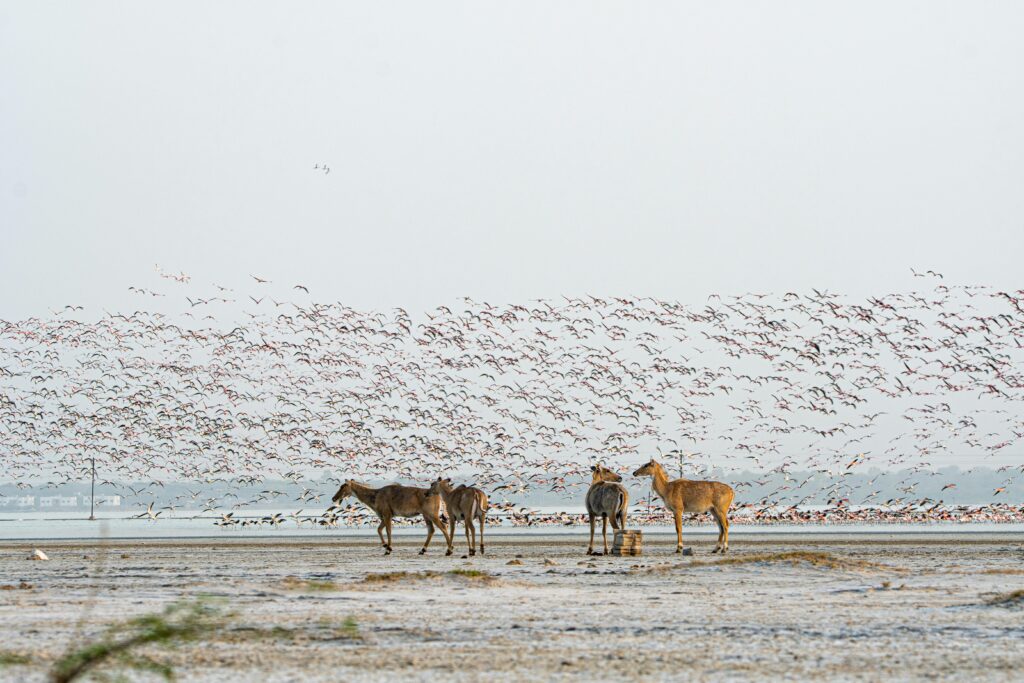
The Indian Bird Conservation Network lists Sambhar as one of the most significant wintering grounds for flamingos in the Indian subcontinent. On a good day between November and February, you can spot anywhere from 20,000 to over 1,00,000 flamingos gathered along its shores — a sight so breathtaking it genuinely stops time.
Sambhar Lake as a Ramsar Wetland
Sambhar Lake Rajasthan was designated as a Ramsar Site in 1990, acknowledging its global importance as a wetland ecosystem. This designation means the lake receives a degree of protection that helps preserve its fragile habitat and keeps the birds coming back year after year.
For travellers planning a sambhar lake bird watching tour from jaipur, knowing this designation is useful: it signals that this is no ordinary water body. It’s a carefully preserved natural sanctuary, and responsible tourism here means treading lightly.
The Birds of Sambhar Lake Rajasthan: What to Expect
If you’re asking what makes Sambhar Lake Rajasthan worth the drive, the answer is simple — the sheer variety and volume of birds here is unlike almost anywhere else in northern India. Over 70 species of birds have been recorded at this salt lake near Jaipur, with migratory species dominating the winter months.
Flamingos: The Stars of the Show
When most people think of Sambhar Lake Rajasthan, they picture flamingos — and for good reason. Both the Greater Flamingo and the Lesser Flamingo visit the lake in massive flocks every winter. Watching these rose-pink birds wade through the shallow saline water at sunrise is a deeply moving experience, one that stays with you long after you’ve returned to the city.
The flamingos at Sambhar prefer the undisturbed central portions of the lake, so a good pair of binoculars or a telephoto lens is essential. The best viewing spots are along the eastern and northern causeways, where you can observe the flocks without disturbing them.
Migratory Birds Rajasthan Welcomes Every Winter
Beyond flamingos, Sambhar Lake Rajasthan hosts an impressive roster of migratory birds that travel thousands of kilometres to winter here. Among the species you’re likely to spot:
- Ruff (Calidris pugnax) — Common along the shallow mudflats
- Black-winged Stilt — Elegant, long-legged waders frequently seen in large groups
- Northern Pintail — Graceful ducks that arrive in good numbers
- Common Teal — Compact and fast-moving, often seen in pairs
- Pied Avocet — Striking black-and-white birds with upturned bills
- Kentish Plover — Tiny but distinctive shorebirds along the muddy edges
- Bar-headed Goose — One of the highest-flying migratory birds in the world
- Common Sandpiper — Almost always present along the water’s edge
Year-Round Residents of Sambhar Lake
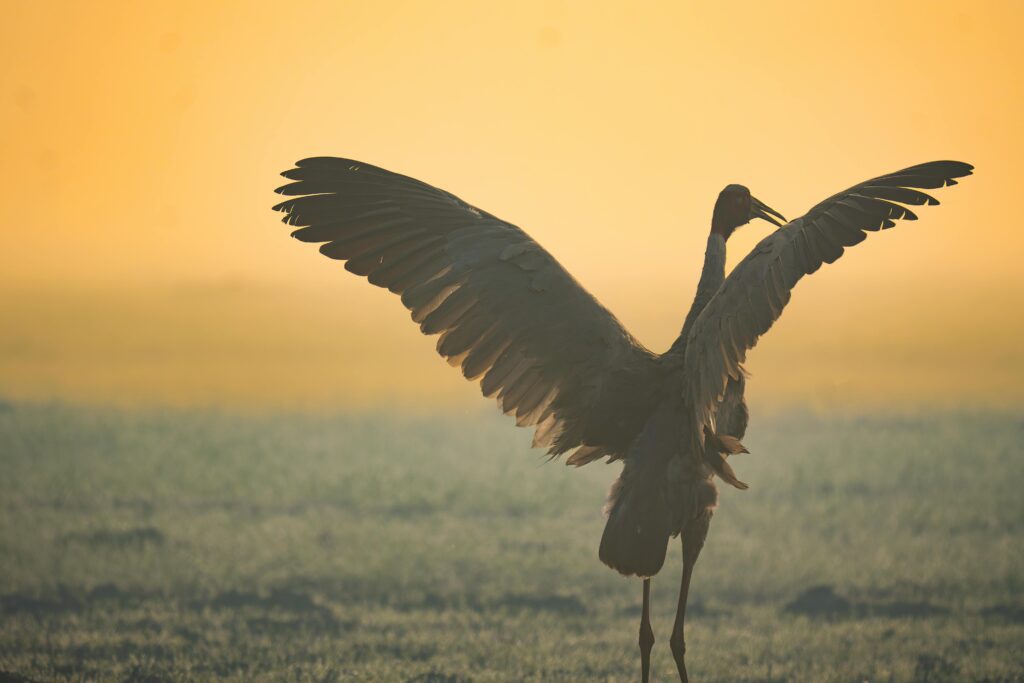
Even outside peak season, Sambhar Lake Rajasthan holds its own. Resident species include the Indian Sarus Crane, Demoiselle Crane (during migration stopovers), various raptors like the Marsh Harrier and Pallid Harrier, and plenty of larks, pipits, and wheatears across the surrounding scrubland.
This means even a summer visit to this bird watching near Jaipur destination isn’t completely birdless — though winter absolutely remains the prime time.
Best Time for Your Sambhar Lake Bird Watching Tour from Jaipur
Timing is everything when it comes to planning a sambhar lake bird watching tour from jaipur. The good news is that the peak birding window is long stretching from October all the way through March. Here’s how the season breaks down:
October–November: Arrivals and Early Season Magic
This is when the first major waves of migratory birds rajasthan attracts begin arriving. Flamingos start appearing in numbers, and the lake surface is alive with movement. Temperatures are pleasant — usually between 18°C and 30°C making it ideal for early morning birding without the biting cold.
This period is excellent for photography, with soft golden light in the mornings and dramatic skies as cold fronts occasionally move through.
December–February: Peak Birding Season
This is undeniably the best time to visit Sambhar Lake Rajasthan for birding. Bird populations are at their highest, the flamingos are in their most vibrant pink plumage, and the cool, crisp air keeps the haze low for better visibility and photography.
Mornings can be cold (sometimes dropping to 5–8°C in January), so carry a light jacket. The reward, however, is extraordinary — lakeside birding in perfect stillness, with the only sounds being the calls of thousands of birds echoing across the water.
March: Last Chances Before Departure
March sees the migratory birds beginning to depart, but it remains a fantastic time for a sambhar lake bird watching tour from jaipur. The lake can be quieter, crowds are minimal, and you may witness the beautiful spectacle of flamingos gathering in pre-departure flocks a different but equally moving sight.
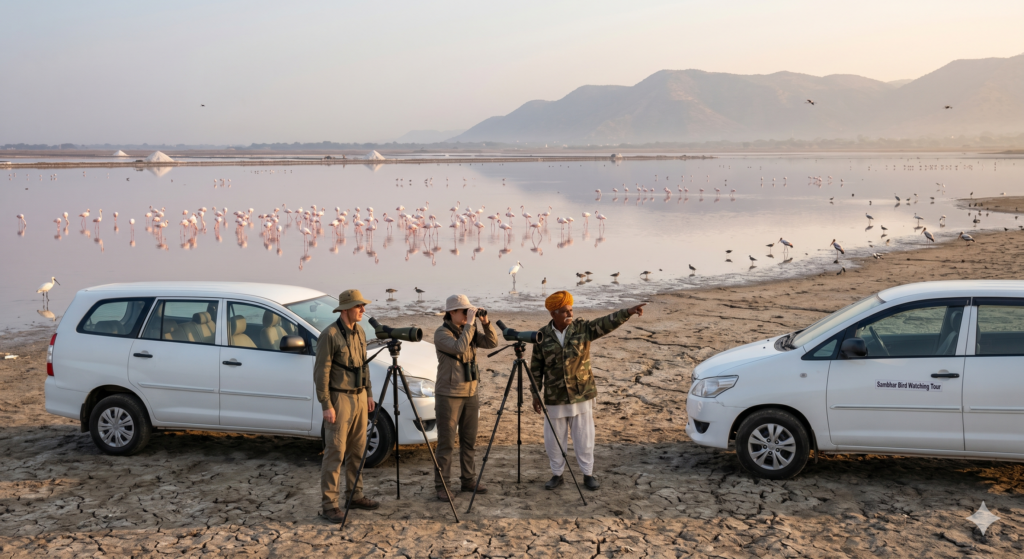
How to Plan Your Sambhar Lake Bird Watching Tour from Jaipur
Planning a sambhar lake bird watching tour from jaipur is refreshingly simple — one of the reasons it makes such a perfect weekend getaway from Jaipur. Here’s a step-by-step breakdown:
Getting to Sambhar Lake from Jaipur
Sambhar Lake Rajasthan is located about 75–80 km from Jaipur, and the drive takes approximately 1.5 to 2 hours via NH 48 and State Highway 25.
By road (recommended):
- Hire a cab or drive your own vehicle — this is the most flexible option
- Start early (leave Jaipur by 5:30–6:00 AM) to reach the lake by sunrise
- Google Maps destination: Sambhar Lake Bird Sanctuary, Sambhar, Rajasthan
By train:
- Sambhar Lake town has a railway station with connections from Jaipur (Jaipur Junction to Phulera Junction, then onward to Sambhar Lake station)
- Not as convenient for birding as road travel, but budget-friendly
By guided tour:
- Several Jaipur-based nature tourism operators offer dedicated sambhar lake bird watching tour from jaipur packages
- These typically include transport, a local birding guide, binoculars, breakfast, and sometimes a birding checklist
What to Pack for Sambhar Lake Rajasthan
Packing right makes a huge difference to your experience at Sambhar Lake Rajasthan. Here’s what experienced birders recommend:
- Binoculars (at least 8×42 or 10×50 magnification) — absolutely essential
- Camera with telephoto lens — birds are often at a distance
- Light, earth-toned clothing — avoid bright colours that may disturb birds
- Warm jacket (for early morning winter visits)
- Sunscreen and hat — the lake is open and exposed
- Water and light snacks — facilities near the lake are basic
- Field guide — “Birds of the Indian Subcontinent” by Grimmett, Inskipp & Inskipp is a classic
Finding a Local Birding Guide
One of the best investments you can make for your sambhar lake bird watching tour from jaipur is hiring a local guide. Local guides know the exact spots where specific species congregate, understand bird behaviour patterns, and can spot birds you’d never notice on your own.
Several nature tourism companies in Jaipur (such as WildTrails, Eco India, and local birding clubs) organise guided tours specifically to Sambhar Lae Rajasthan. Many also connect with the local Sambhar Bird Sanctuary office for updated bird counts and sightings.
Where to Stay Near Sambhar Lake Rajasthan
The accommodation scene near Sambhar Lake Rajasthan is modest but improving. Most visitors doing a weekend getaway from Jaipur choose to day-trip, but overnight stays open up possibilities for magical dawn and dusk sessions at the lake.
Staying in Sambhar Town
The town of Sambhar has a few guesthouses and budget hotels basic but clean. Staying here means you can be at the lake within 10–15 minutes, giving you a massive advantage for early morning birding.
The Rajasthan Tourism Development Corporation (RTDC) sometimes has facilities in the area — worth checking their website before your visit.
Staying in Kishangarh or Ajmer
For better accommodation options, Kishangarh (about 40 km from the lake) and Ajmer (about 60 km) offer comfortable mid-range hotels. These are sensible bases for a two-day sambhar lake bird watching tour from jaipur itinerary that also includes other sights.
Day-Trip from Jaipur
The vast majority of birders visiting Sambhar Lake Rajasthan do it as a day trip from Jaipur. Leaving early (around 5:30 AM), spending 4–6 hours at the lake, and returning by early afternoon is completely doable and deeply satisfying.
This makes Sambhar one of the most accessible bird watching near Jaipur destinations — no complicated logistics, no expensive resorts required. Just a tank of fuel and a morning of wonder.
Sambhar Lae Rajasthan Beyond Birding: Other Attractions
While Sambhar Lake Rajasthan draws most visitors for its incredible birding, there’s more to this ancient landscape than birds alone.
The Historic Shakambhari Temple
Just a few kilometres from the lake lies the ancient Shakambhari Mata Temple, one of Rajasthan’s most revered pilgrimage sites. The temple dates back centuries and is dedicated to the goddess Shakambhari. A brief visit here adds cultural depth to your nature trip.
The Salt Works of Sambhar
Sambhar Lake Rajasthan has been producing salt for over a thousand years. The Sambhar Salts Limited (a government enterprise) operates extensive salt extraction works across the lake. Watching the process — from the crystallisation pans to the harvesting machinery — is a fascinating industrial experience unlike anything you’ll see elsewhere.
The Vast Open Landscape
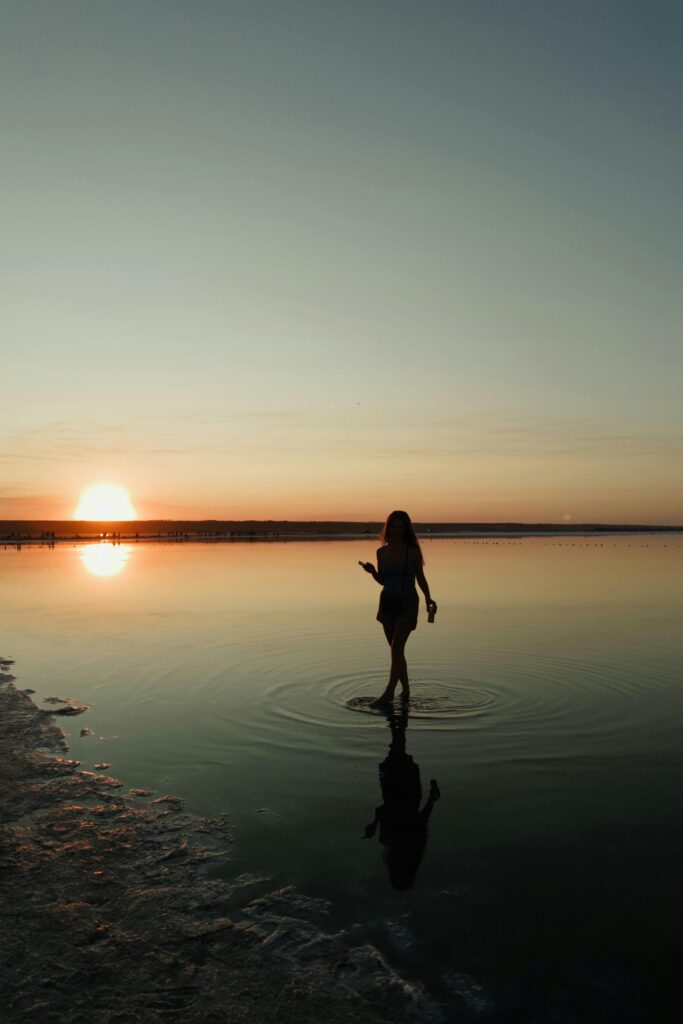
Even if you set your binoculars down, the sheer scale of Sambhar Lake Rajasthan’s landscape is humbling. Standing at the water’s edge with nothing but white-encrusted flats stretching to the horizon under an enormous Rajasthani sky is a meditative, calming experience. It’s easy to understand why this salt lake near Jaipur has captivated artists, photographers, and travellers for generations.
Responsible Birding at Sambhar Lake Rajasthan
Sambhar Lake Rajasthan is a sensitive ecological zone, and every visitor has a role to play in protecting it. Here are the principles all responsible birders follow at this Sambhar bird sanctuary:
- Keep your distance from large bird flocks, especially roosting flamingos — sudden disturbances can cause mass flushing, which is stressful for the birds and can disrupt feeding
- Stay on designated paths and causeways — do not wade into the lake or enter restricted zones
- Do not play bird calls from speakers to attract birds — this is considered unethical birding practice
- Carry out all rubbish — the lakeshore should look exactly as you found it
- Do not feed the birds — human food is harmful to wildlife
- Go slow on the causeway roads — birds sometimes rest on or near the road
Responsible visits to Sambhar Lake Rajasthan help ensure this magnificent birding destination remains pristine for the next generation of nature lovers.
Frequently Asked Questions About Sambhar Lake Rajasthan
What is the best time to visit Sambhar Lake Rajasthan for bird watching? The best time to visit Sambhar Lake Rajasthan for birding is between November and February. This is when the lake hosts its highest bird populations, including massive flocks of flamingos, migratory waders, and ducks. December and January are particularly spectacular months for a sambhar lake bird watching tour from jaipur.
How far is Sambhar Lake from Jaipur, and how do I get there? Sambhar Lake Rajasthan is approximately 75–80 km from Jaipur, around a 1.5–2 hour drive. The most convenient way to get there is by car or taxi via NH 48. Starting early in the morning ensures you arrive in time for the best birding hours at this salt lake near Jaipur.
How many species of birds can I see at Sambhar Lake Rajasthan? Over 70 species of birds have been recorded at Sambhar Lake Rajasthan. During peak season, the star attractions are the Greater and Lesser Flamingos, which can number in the tens of thousands. Other common sightings include Ruff, Black-winged Stilt, Pied Avocet, Northern Pintail, and various raptors. The variety of migratory birds Rajasthan attracts here is truly remarkable.
Is Sambhar Lake Rajasthan suitable for a one-day trip from Jaipur? Absolutely. A sambhar lake bird watching tour from jaipur works very well as a day trip. Leave Jaipur by 5:30–6:00 AM, spend 4–6 hours birding at the lake, and you can be back in Jaipur by early afternoon. It’s one of the most rewarding and easy weekend getaway from Jaipur options for nature lovers.
Do I need a permit to enter Sambhar Lake Rajasthan for bird watching? Access to the public areas and causeways around Sambhar Lake Rajasthan is generally free. However, if you plan to enter specific protected or restricted zones within the Sambhar Bird Sanctuary, it’s advisable to check with the local forest department office in Sambhar town for the latest regulations. Rules can change seasonally.
Can I see flamingos at Sambhar Lake Rajasthan? Yes! Sambhar Lake Rajasthan is one of the best places in India to see flamingos in large numbers. Both the Greater Flamingo and the Lesser Flamingo visit the lake between October and March. On a good winter day, you may see flocks of 50,000 or more. The central and undisturbed portions of the lake are their preferred habitat.
Conclusion: Make Sambhar Lake Rajasthan Your Next Weekend Adventur
Sambhar Lake Rajasthan is the kind of place that gets under your skin and stays there. This ancient salt lake near Jaipur, with its miles of shimmering white flats, its rosy clouds of flamingos, and its extraordinary variety of birds, offers something increasingly rare in today’s world — a genuinely wild, awe-inspiring natural experience just a morning’s drive from the city.
Whether you’re planning a dedicated sambhar lake bird watching tour from jaipur or simply looking for a refreshing weekend escape from the urban pace of the Pink City, Sambhar delivers every time. It asks very little of you just an early start, a good pair of binoculars, and a willingness to be amazed.
The migratory birds Rajasthan welcomes here every winter don’t know state borders or tourist seasons. They follow ancient patterns, navigating thousands of kilometres by the stars, and they land here because Sambhar gives them exactly what they need. When you stand at the water’s edge and watch them arrive — wave after wave of wings against a coral sunrise — you’ll understand exactly why this place is special.
So pack your bags, charge your camera, and plan your visit to Sambhar Lake Rajasthan. This is one weekend getaway from Jaipur you will talk about for years to come. And if you’ve already been — share this post with a friend who hasn’t. The birds are waiting